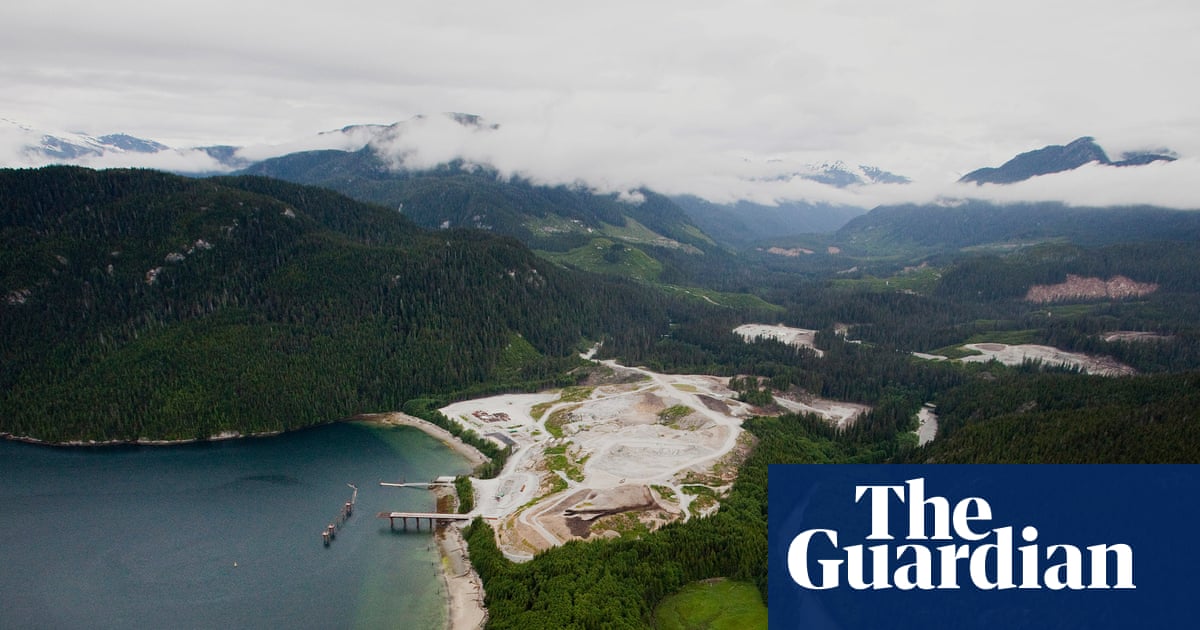
Project on ‘very poorly understood’ terrain poses immense geological hazard, endangering fragile ecosystems
W
hen an earthquake in 2002 struck in a remote pocket of Alaska, the shock was the strongest ever recorded in the interior of the state. But, miraculously, an oil pipeline that crossed directly over the fault line was unscathed.
Engineers behind the design of the 800 mile system were prepared. Knowing the high likelihood of seismic activity along the route, which bisected the Denali fault, they constructed sections where the pipeline rested on rail girders, allowing it to sway and shear without snapping.
“It worked because they could pinpoint how and where to build: they could put their hand right on the fault,” said Edwin Nissen, a seismologist at the University of Victoria. “The problem for Canada is that there’s nothing like that in British Columbia, where a pipeline has been proposed. There’s never been a study as detailed as they one they did for the pipeline in Alaska and as a result, there’s just so much we don’t know.”