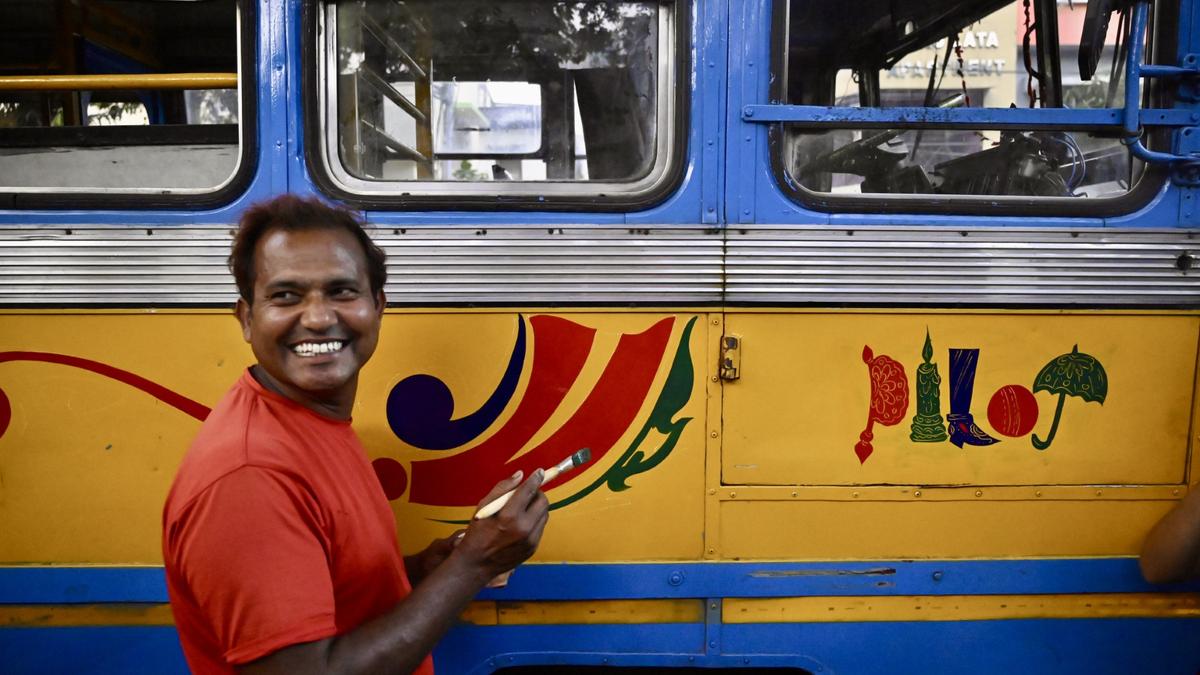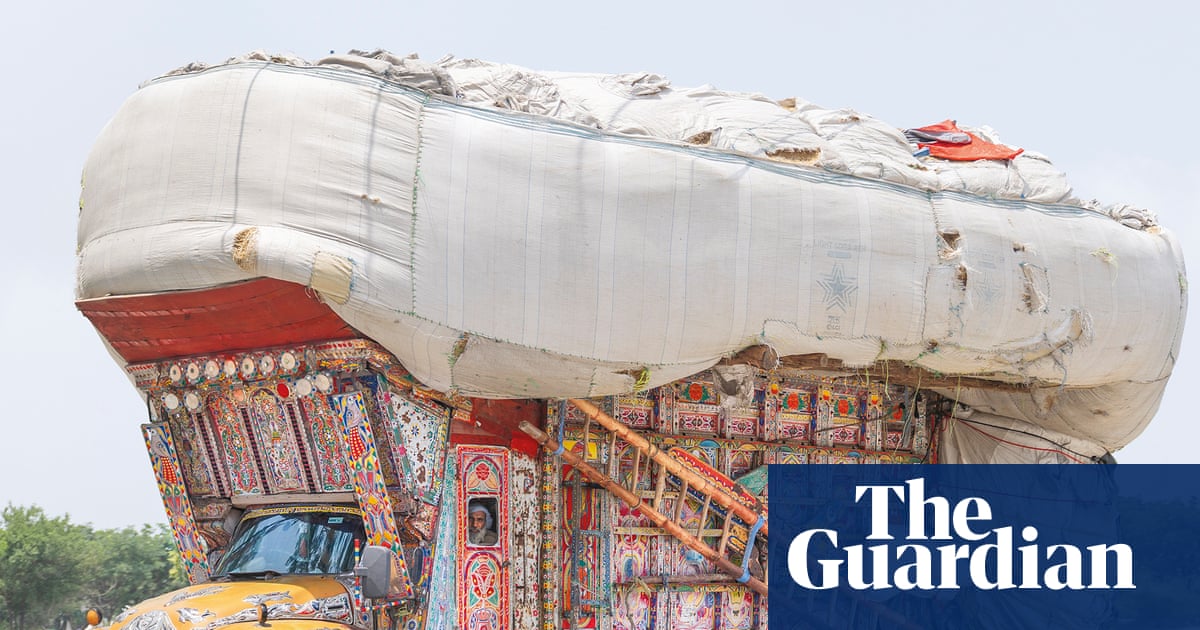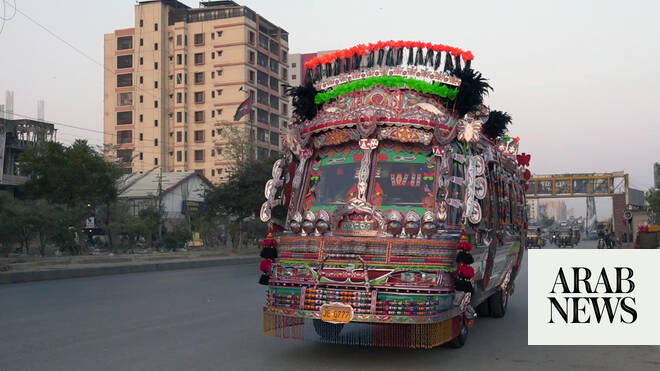
KARACHI: With their gleaming steel bodies, hand-painted motifs, colored bulbs and thumping Japanese woofers, Karachi’s W-11 minibuses were once the most flamboyant vehicles on the road: moving art galleries that defined the city’s visual identity and became a symbol of its chaotic charm.
For decades, the wildly decorated buses ferried thousands across Pakistan’s largest metropolis, earning global attention through documentaries, exhibitions and even a temporary London art route themed around W-11 culture.
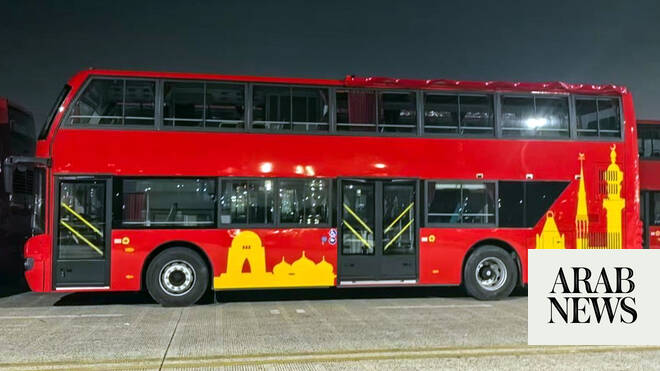
But today, the same icons of Karachi’s working-class life are rapidly disappearing, pushed aside by rickshaw fleets, app-based transport and the provincial government’s shift toward modern bus rapid transit systems.
Of the more than 400 W-11 buses that once dominated the route from North Karachi to Keamari, barely 120 still operate, and only a dozen retain their traditional ornate style.
“These were the bride buses of their time,” said Muhammad Saleem, 69, who drove W-11 for nearly five decades and watched its fare rise “from 50 paisas to Rs90,” which even now is less than a dollar.