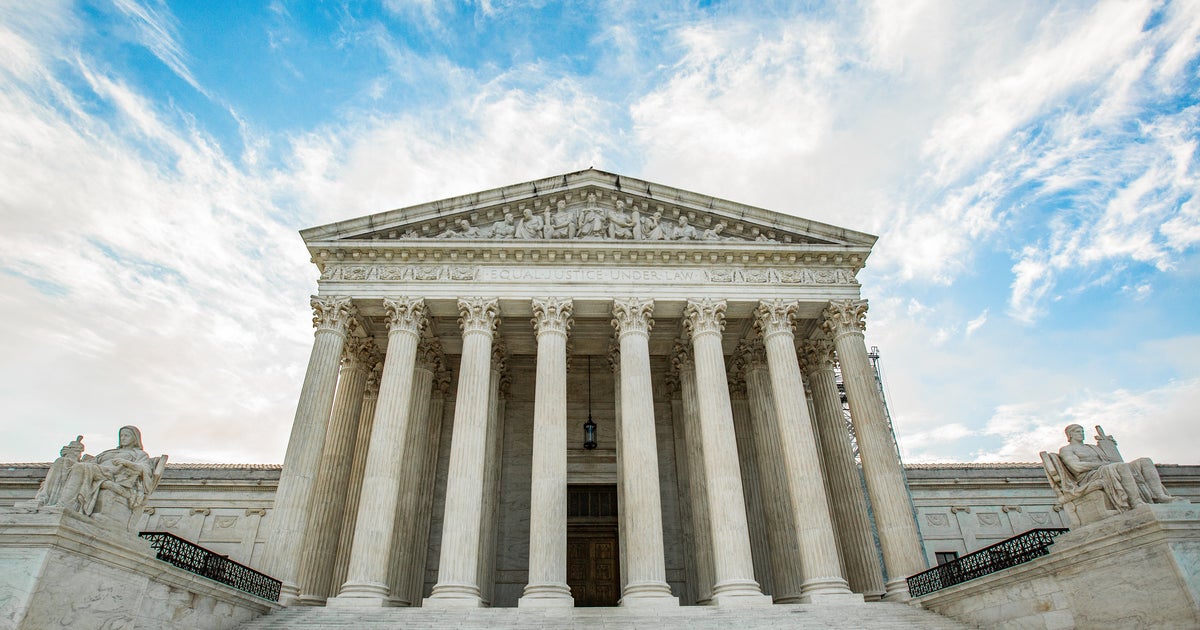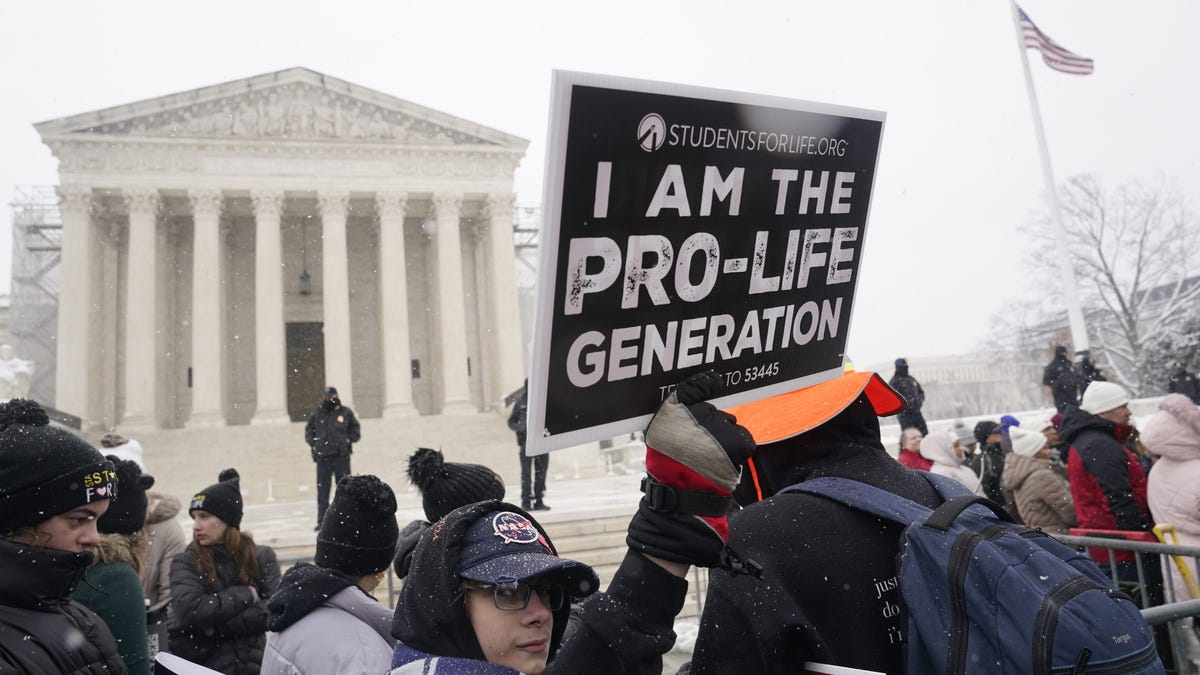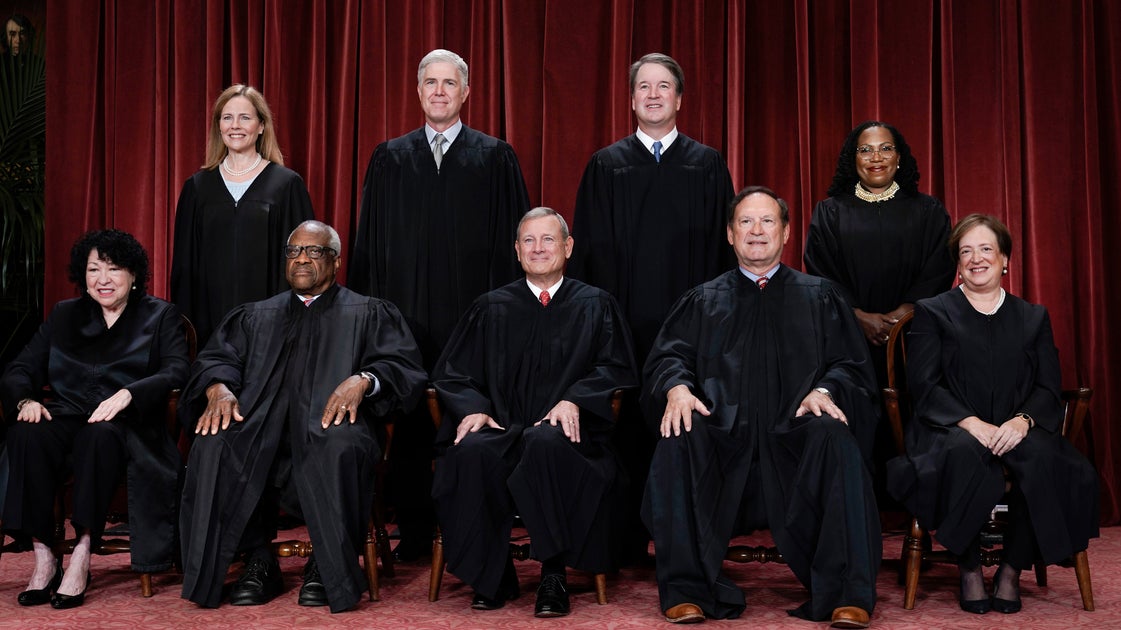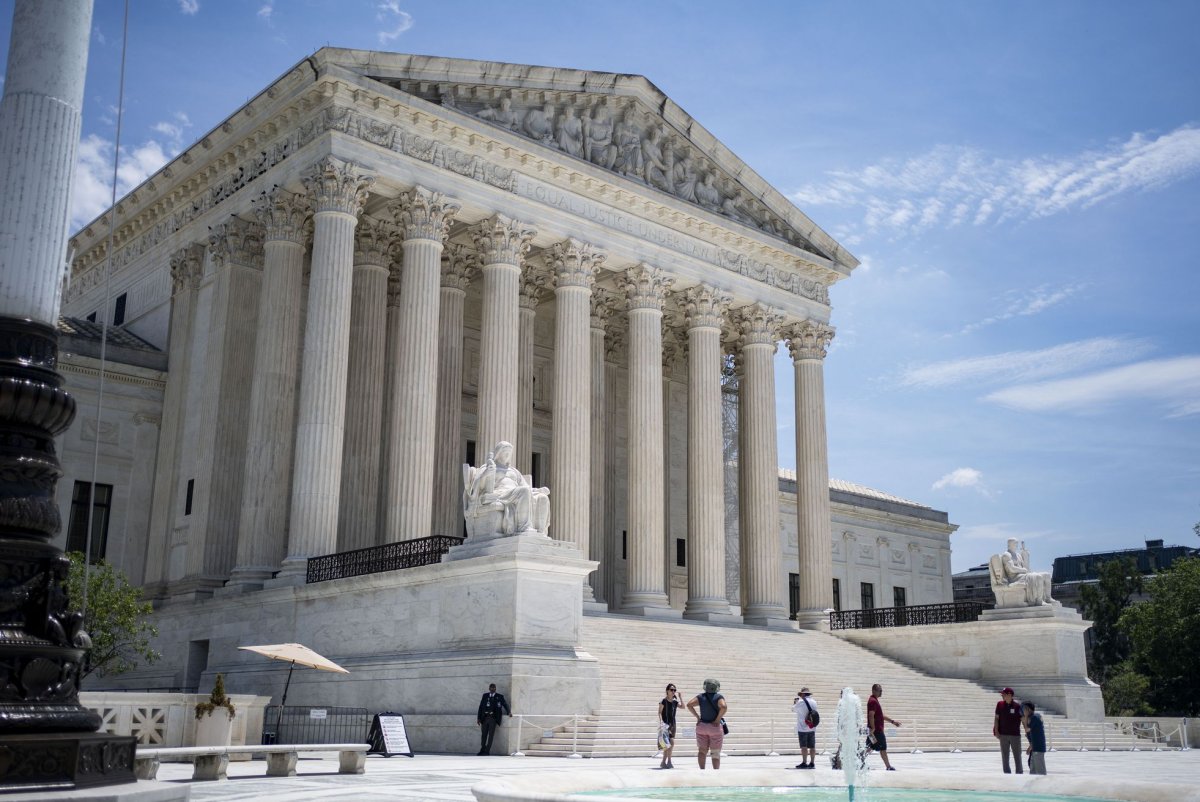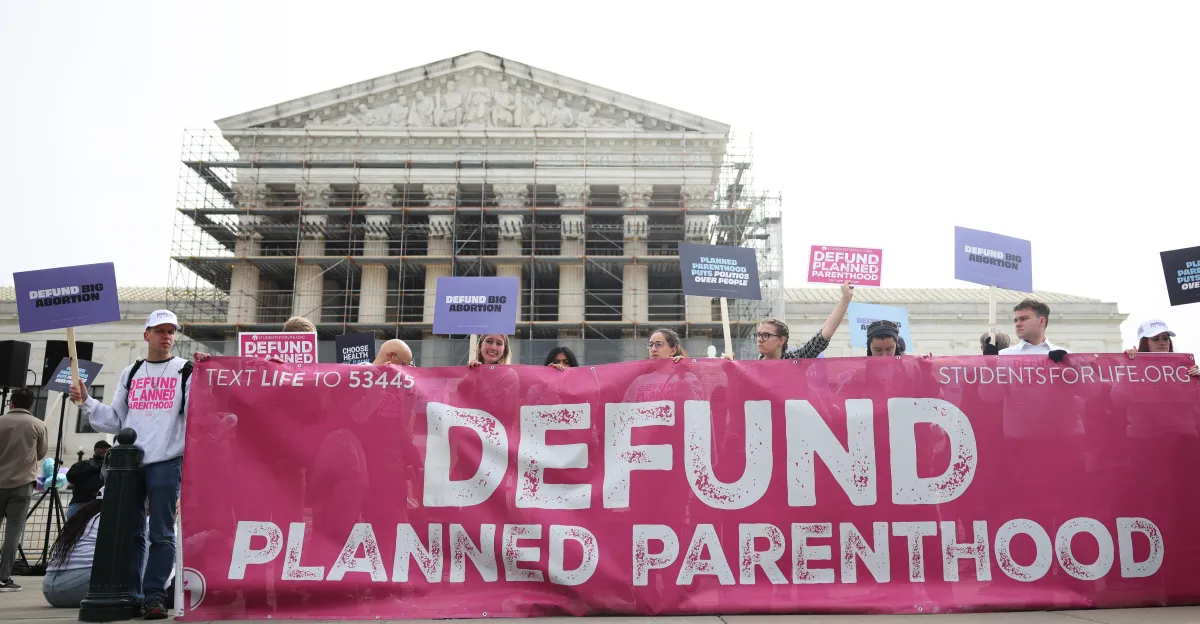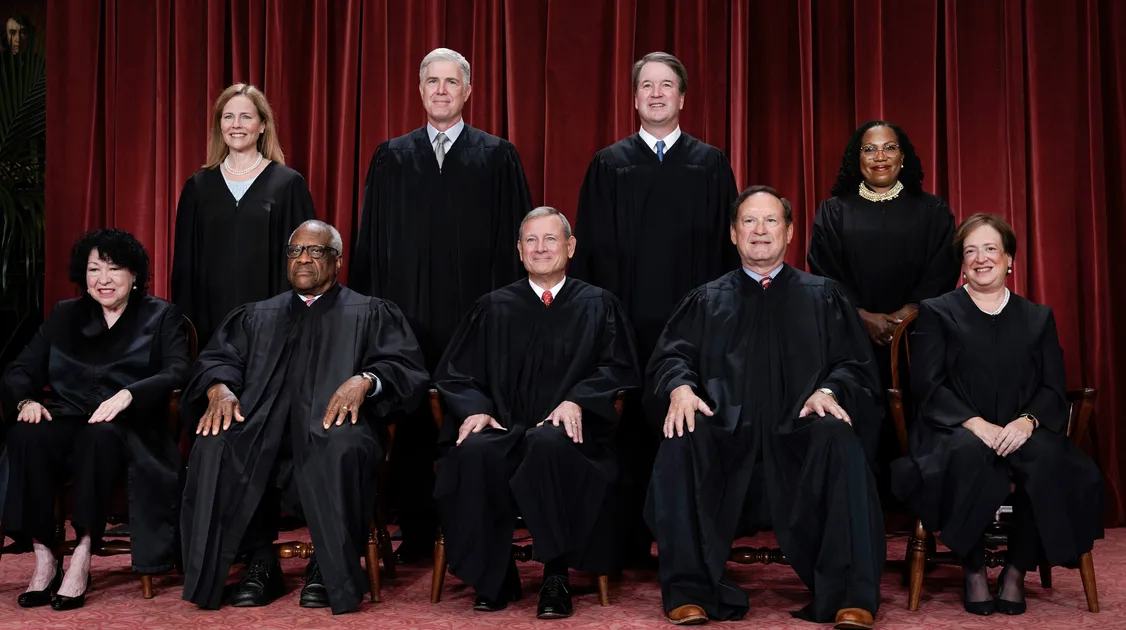
During oral arguments on Tuesday, Supreme Court justices seemed sympathetic to an anti-abortion pregnancy center and appeared open to arguments that the group should be able to challenge a subpoena against it in federal court.The case, First Choice Women’s Resource Centers, Inc. v. Platkin, hinges on a technical question stemming from a 2023 subpoena New Jersey Attorney General Matthew Platkin filed against First Choice, which operates throughout the state. The subpoena sought to investigate whether the organization was “misleading donors and potential clients into believing that it was providing certain reproductive health care services,” according to Platkin’s initial brief. The court was technically considering whether First Choice’s decision to fight Platkin’s subpoena in federal court was appropriate, or if they should have started in state court. While Tuesday’s arguments focused on a procedural issue, a win for First Choice could make it easier for the increasing number of anti-abortion pregnancy resource centers around the country to skirt state regulation. These clinics are often faith-based organizations that offer pregnancy resources and anti-abortion counseling. Since the fall of federal abortion protections, the number of anti-abortion pregnancy centers has grown — some now occupy the very buildings that once held actual abortion clinics. Alliance Defending Freedom, the conservative legal group behind every recent high-profile attack on abortion, is representing First Choice, and senior counsel Erin Hawley — wife of Sen. Josh Hawley (R-Mo.) — argued the case. The Trump administration’s Department of Justice also joined the case, arguing on the side of First Choice. Sundeep Iyer argued on behalf of New Jersey’s attorney general’s office.Much of Tuesday’s arguments revolved around the question of whether the subpoena was “self-executing” or had immediate consequences if First Choice did not comply. First Choice argued that complying with Platkin’s subpoena and turning over its donor list would violate the religious organization’s First Amendment rights. The Supreme Court in recent years has been receptive to arguments centered on religious freedom of speech, ruling in favor of plaintiffs with religious freedom claims in culture-war cases, including those involving LGBTQ rights and education. Hawley described Platkin’s subpoena as “sweeping,” telling the court in her introduction, “that is a death knell for nonprofits like First Choice.” Hawley faced tough questioning from both left- and right-leaning justices, but Justices John Roberts and Neil Gorsuch were more inclined to agree with Hawley that New Jersey’s subpoena “chilled” donors and instilled fear in regular people who associated with First Choice. “The test is whether a person of ordinary firmness, that sort of common sense approach… would terrify normal donors — mom-and-pop donors,” Hawley said in her rebuttal. “If you look at the allegations of this case, some donors gave as little as $10. Those folks are going to be worried about a state attorney general — the highest law enforcement officer in the country — demanding their names, phone numbers, addresses, places of employment, so that he can contact them about a donor website.”Iyer, representing New Jersey, said Plaktin’s subpoena was meant to evaluate whether the anti-abortion organization had deceived First Choice’s donors. The intent, Iyer noted, was to protect the donors based on the misleading information on First Choice’s website. (The organization’s donor website, however, looks very different from its website for potential patients, Mother Jones’ Nina Martin points out.) Iyer said New Jersey would never release any personal information to the public and that was not the objective of the subpoena. “My friends on the other side, don’t let the actual factual allegations get in the way of telling a story about hostility here,” Iyer later said. A number of justices seemed unconvinced that the subpoena and threat of exposure wouldn’t scare First Choice donors. “You don’t think it might have a future effect on donors if their name, addresses and phone number is disclosed?” Chief Justice Roberts asked Iyer.Anti-abortion pregnancy centers, also known as crisis pregnancy centers, have a well-documented history of luring pregnant women seeking abortion to their clinics under the guise that they offer abortion services. (First Choice’s website features a tab for abortion services, including abortion procedures, abortion costs and after-abortion care; in small print at the bottom, they identify as “an abortion clinic alternative” that does not offer abortion services.) In reality, these faith-based organizations — which often intentionally move in next to real brick-and-mortar abortion clinics — don’t offer abortion services and sometimes shame or discourage women from terminating their pregnancy. Many of the country’s roughly 2,600 crisis pregnancy centers give women scientifically inaccurate information by staff who do not have medical licenses or training. Despite these organizations being a multi-billion-dollar industry funded by taxpayers, they are largely unregulated, a recent report from Reproductive Health and Freedom Watch shows. Interestingly, many abortion rights groups have been quiet on the case, likely because progressive groups fear the same type of subpoenas filed by Platkin could be weaponized against them and their supporters. “The problem is bipartisan,” the American Civil Liberties Union wrote in an amicus brief in August. “The Attorney General of New Jersey is allegedly targeting crisis pregnancy centers here, while Florida’s attorney general purses restaurants for hosting drag shows… And the Missouri Attorney General issued his own demands to large-language-model chatbots to find out why they express disfavored views about President Trump.”A ruling in this case is expected sometime next June or July.
Supreme Court Hears Case That Could End Up A ‘Bipartisan Problem’
A win for the First Choice Women's Resource Center could make it easier for the growing number of crisis pregnancy centers around the country to skirt state regulations.
888 words~4 min read