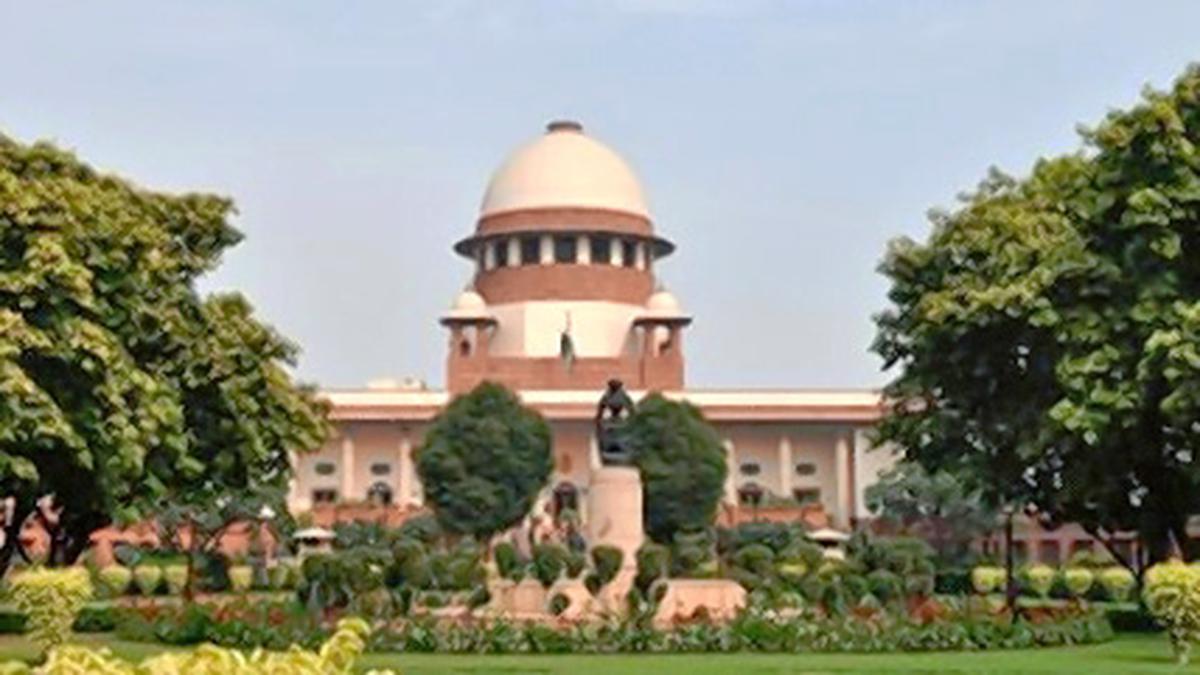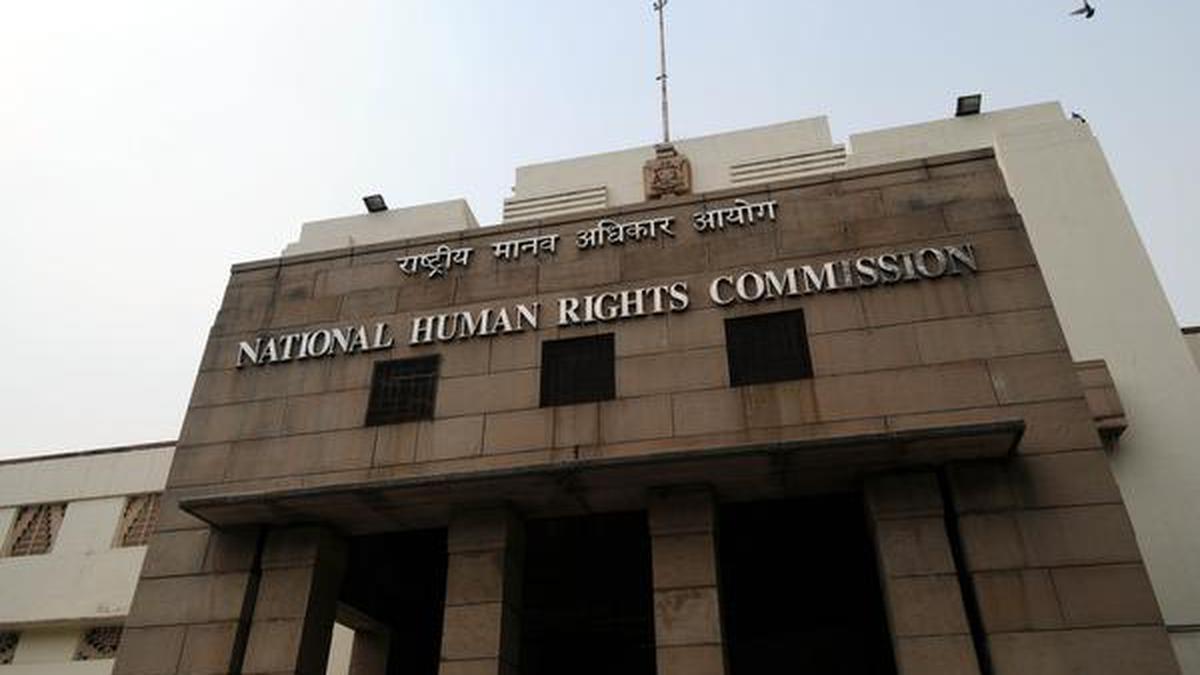
The National Human Rights Commission (NHRC) has informed the Supreme Court that nearly 97 Central and State laws continue to contain provisions that discriminate against persons affected by leprosy. These provisions, the Commission said, impede access to employment, public transport, elected office and several public spaces, further entrenching the stigma associated with the disease.
A Bench of Justices Surya Kant and Joymalya Bagchi was hearing a batch of petitions, including one instituted in 2010, which contended that more than a hundred provisions across Central and State statutes discriminate against persons affected by leprosy in ways that entrench stigma and undermine their dignity.
The leprosy story: India’s path towards a stigma-free society
In its latest report, the NHRC has apprised the top court that India continues to account for about 57% of all reported leprosy cases worldwide, with a vast majority of affected persons living in deplorable conditions and facing persistent social and legal discrimination. The Commission has recommended a comprehensive set of measures aimed at early identification, timely treatment, rehabilitation, and the removal of discriminatory provisions to ensure dignity and equal access for persons affected by leprosy.