https://arab.news/5e99e
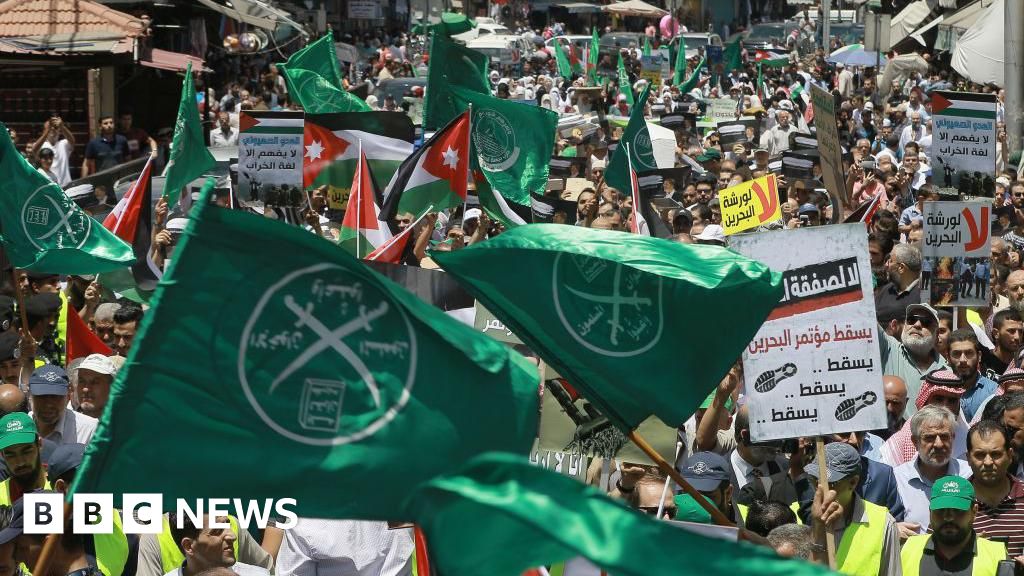
Since their emergence, modern Arab nation states have found themselves in constant tension with transnational ideological movements that challenge their authority and pull loyalties beyond national borders. Chief among these groups is the Muslim Brotherhood, a cross-border organization whose ideas and objectives clash with most governments in the region, including those that permit it limited parliamentary or Cabinet participation.
The Brotherhood resembles other ideological currents with formal party structures such as the Baathists, communists and Arab nationalists, along with socialist and Nasserist offshoots. All promote political concepts that undermine existing state systems. Unsurprisingly, none of these movements ever succeeded sustainably while in power and those that briefly did were unable to hold onto it.
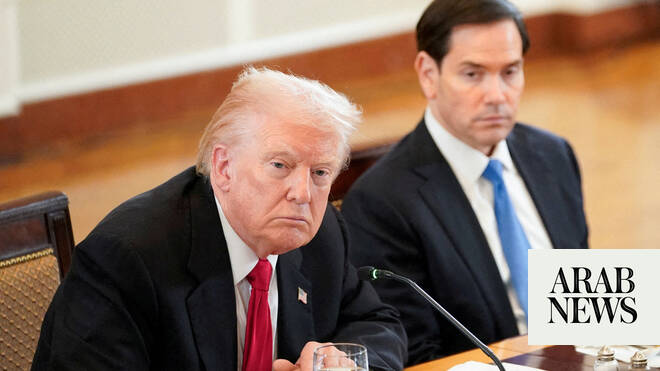
US President Donald Trump last week shocked many observers when he directed the State Department and Treasury Department to prepare a report recommending a ban on dealings with the Muslim Brotherhood and the sanctioning of certain branches in the region. The first entities likely to be targeted are its branches in Egypt, Jordan and Lebanon. Once the 45-day review is complete, these branches could be designated foreign terrorist organizations, placing their leaders and activists on sanctions lists. It is a significant development given that the Brotherhood remains the Arab world’s largest and most active political movement.