It’s about rival gangs of straight boys in 60s Oklahoma fighting it out – but the abundance of male beauty in this 1983 adaptation of the SE Hinton novel tells another story
W
hile serious film lovers reach for Francis Ford Coppola’s Rumble Fish as their favourite screen adaptation of an SE Hinton novel, I can never go past The Outsiders, as much for what it did to me as a gay kid growing up in the mid-80s who was terrified of being discovered as for any artistic merit.
There are cheesy things about the movie, for sure – it’s superficial wash of nostalgia for the 60s, there are a few egregious continuity errors, some rawness in the performances – but none of that matters as the opening strains of Stevie Wonder’s Stay Gold hit your ears and the cinematographer Stephen H Burum’s montage of overexposed sunsets fills the screen. The story of kids from the wrong side of the tracks in Tulsa, Oklahoma, always makes me, a kid who grew up in the leafy suburbs of south-east Melbourne, feel entirely at home.
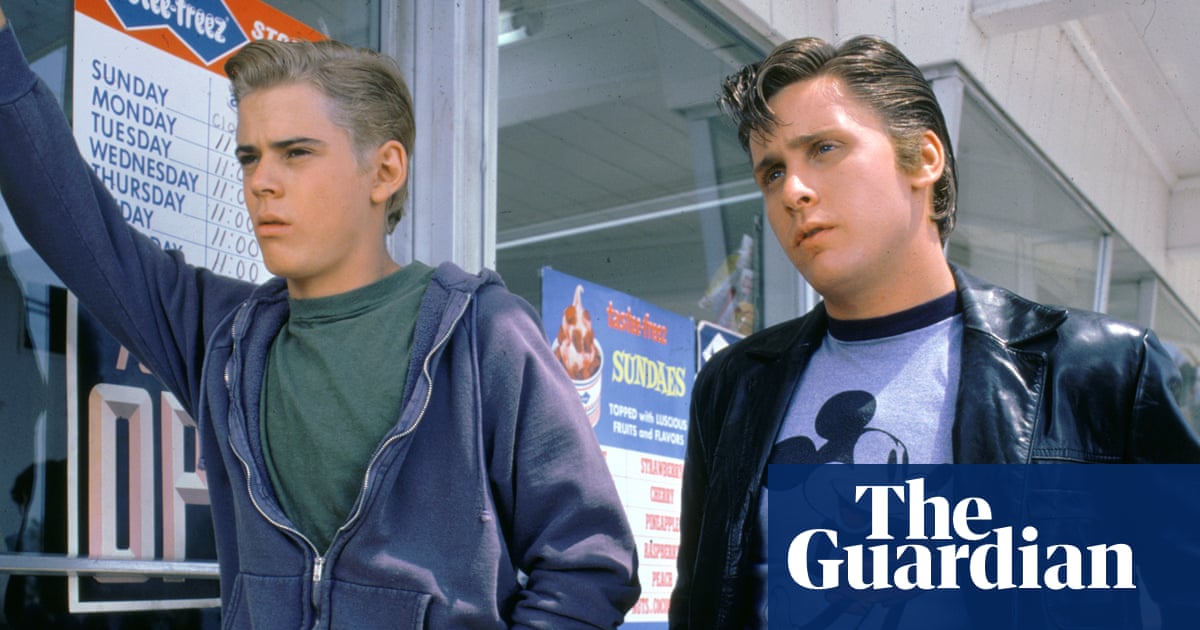
I consider The Outsiders to be the first gay film I saw – despite the fact it doesn’t have a single gay character in it. All that male beauty (including a teen Rob Lowe! Matt Dillon! Tom Cruise!) pushed to the front of the frame borders on the fetishistic. The expressive eyes of our sensitive working-class teen protagonist Ponyboy (C Thomas Howell) and his Greaser-gang pals Johnny (Ralph Macchio) and Dallas (Dillon). The cheekbones and jawlines, and the gentle ripple of upper-arm muscles. A pendant falling in the valley created by the muscles of a naked back. There is more than a hint of Jean Genet and Walt Whitman in the lighting and the centring of these male bodies, rugged and raw but leaning always into pure aestheticism.