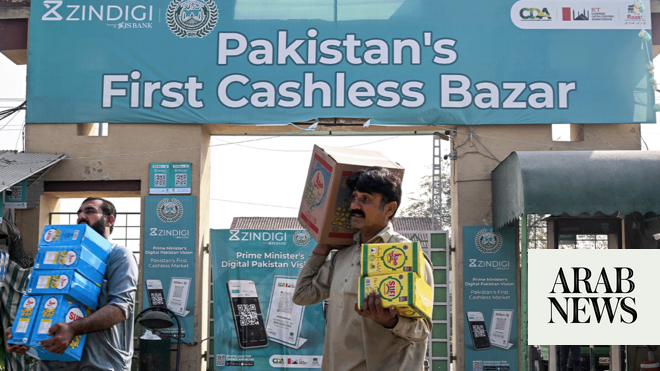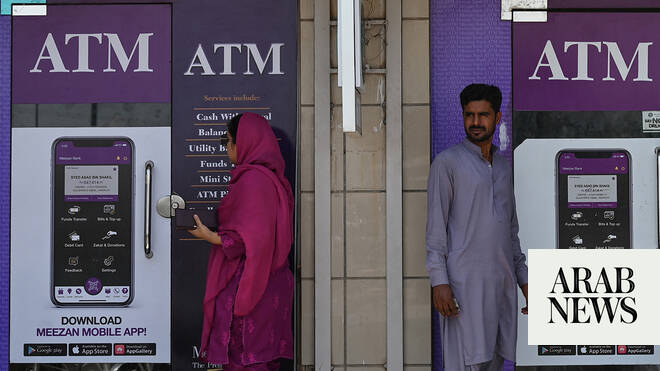
ISLAMABAD: Pakistan has launched its first-ever cashless weekly market in Islamabad, a major step toward digitizing the economy, but slow Internet speeds and patchy phone connectivity are hampering adoption among vendors and shoppers, they said this week.
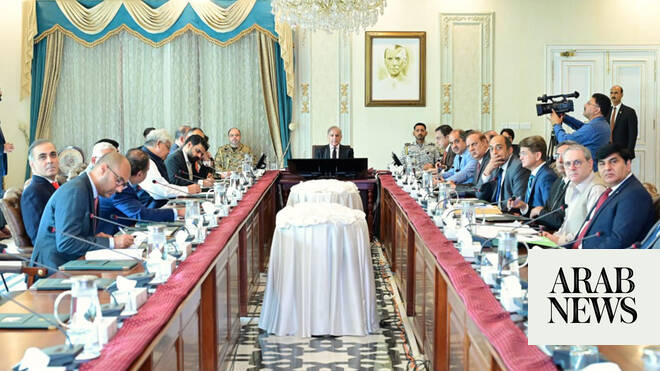
The initiative is part of the government’s plan to turn Islamabad into Pakistan’s first fully cashless city, using QR-code payments to formalize retail transactions, reduce tax evasion and improve documentation in one of South Asia’s most informally run economies.
Pakistan relies heavily on cash, enabling widespread tax evasion and limiting financial transparency. Economists say expanding digital payments can raise government revenues, curb corruption, and make marketplaces safer for customers and traders. The new cashless Sunday bazaar in Islamabad is the government’s most visible attempt yet to bring millions of informal-sector transactions into the formal economy.
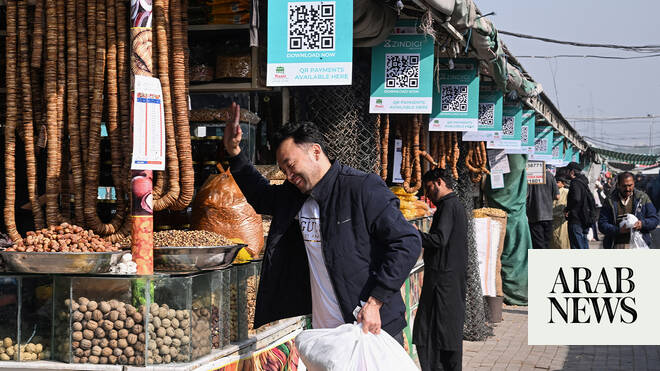
Authorities have installed QR codes at every stall in the H-9 Sunday market, enabling shoppers to scan and pay directly through mobile apps for fruits, vegetables, groceries, used clothing and other goods.
“It’s good. A customer just scans [the code] and money is transferred easily,” said Mubarak Ali, who sells vegetables.