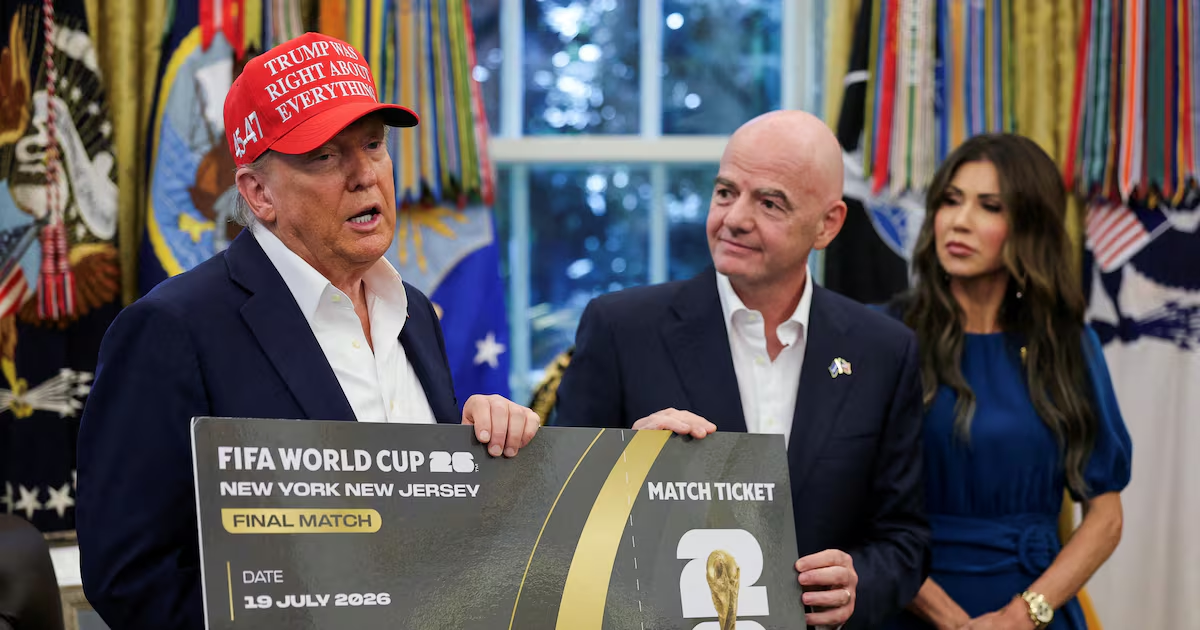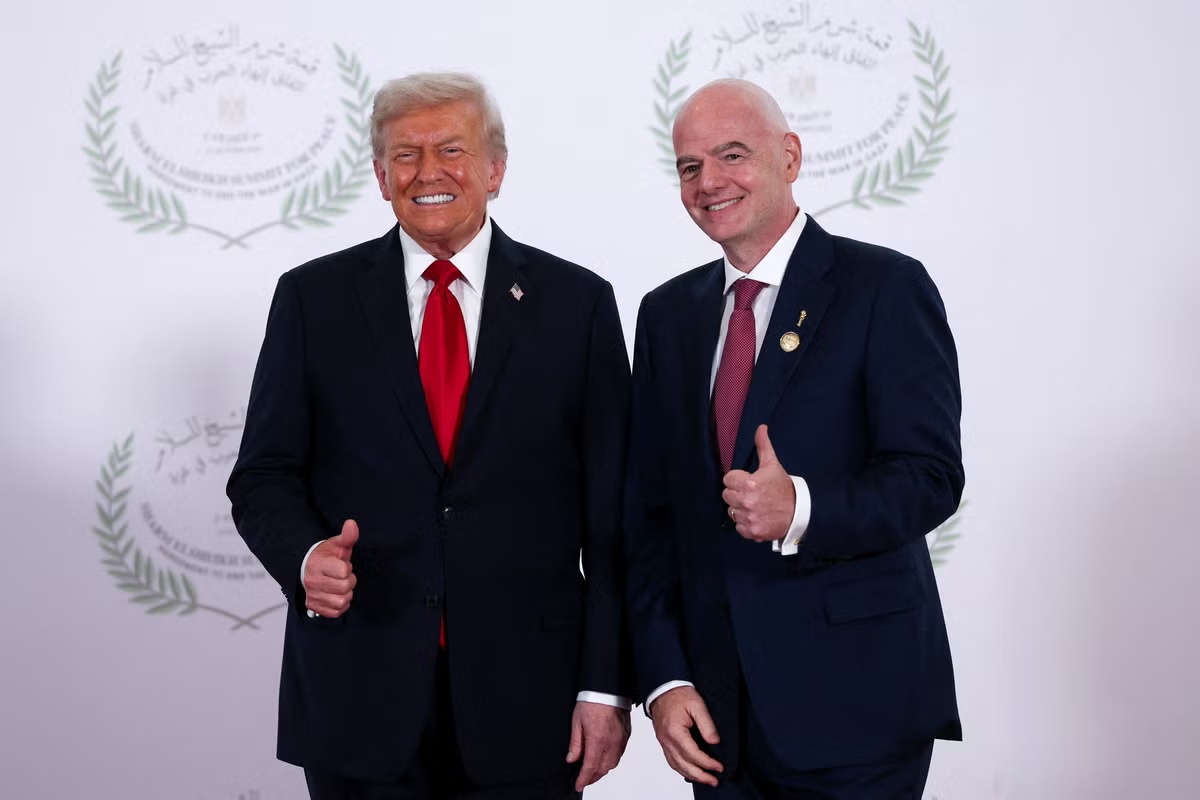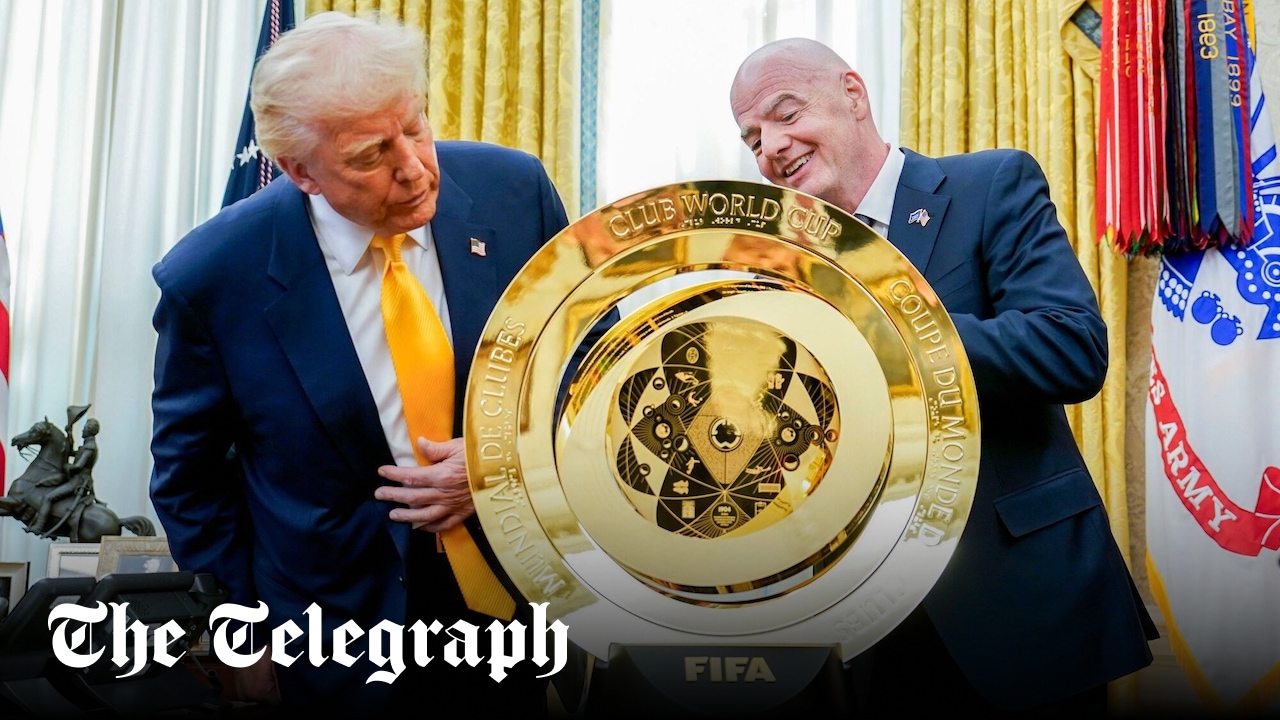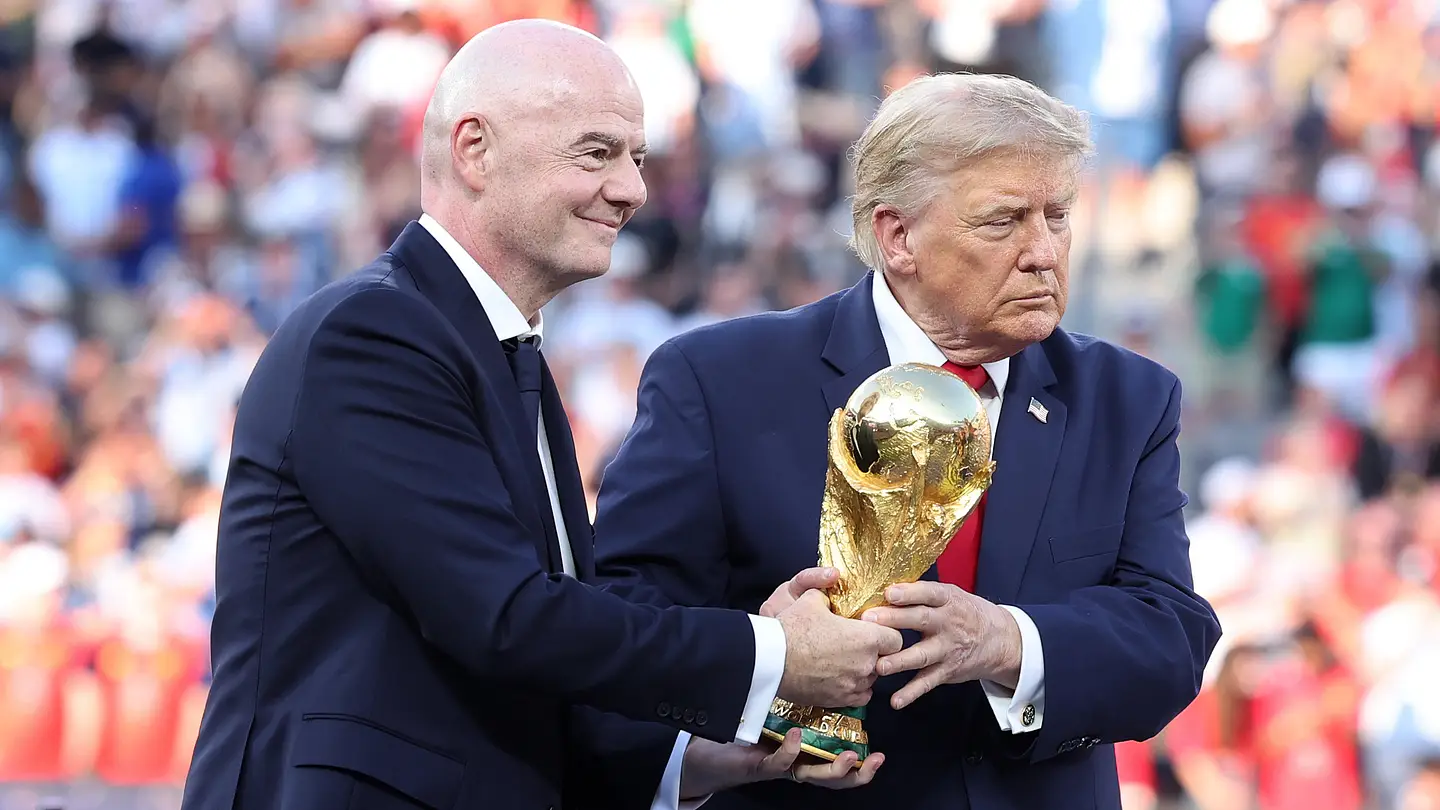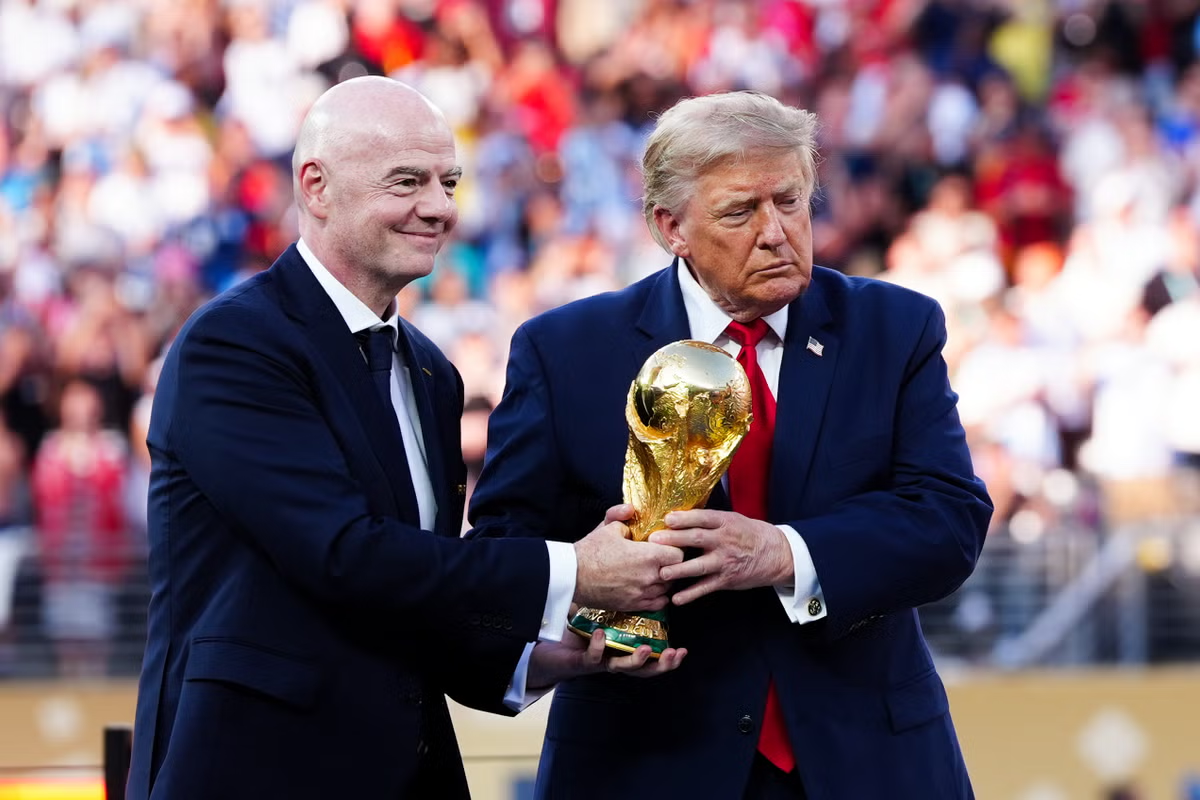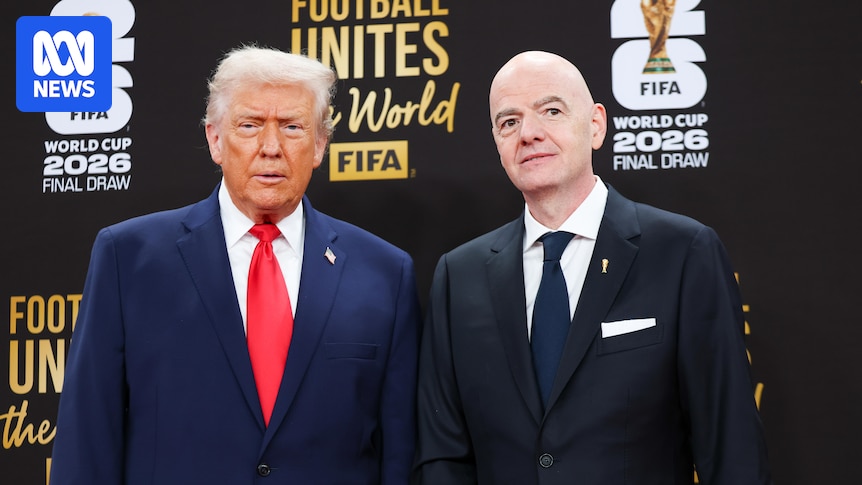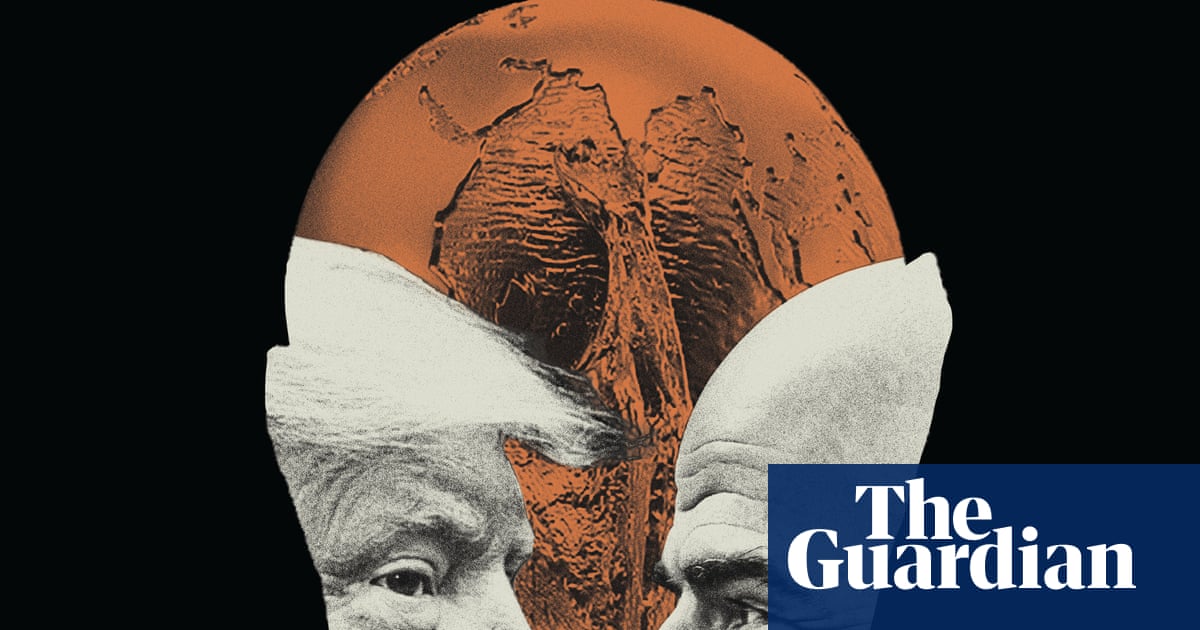
For a man who insists football isn’t political, the Fifa boss is putting a lot of effort into into courting the most divisive politician on Earth
G
ianni Infantino was 18 years old the first time he ran for office. It was a presidential election at FC Brig-Glis, the local amateur football club in the small Swiss town where he grew up. Running against two older men, and with no discernible footballing record of his own, the little red-haired kid with freckles was, unsurprisingly, the rank outsider in the race.
But he had a vision. He had a ferocious work ethic, boundless enthusiasm, well-established networks in the town’s Italian immigrant community. And even at this tender age, he had a flair for an eye-catching scheme. To the shock of many veterans at the club, Infantino surged to victory: partly on the back of his pledge to attract new sponsors and revenue streams, and partly on something more tangible. Infantino promised that if he won, his mother Maria would wash all the players’ kits, every week, for as long as he was president.
This earliest glimpse into the political life of the current Fifa president is perhaps revealing for two reasons. Firstly, it demonstrated a vaulting ambition that you might describe as delusional were he not so adept at forging it into reality. Secondly, it showcased his unparalleled ability to cut through the dry technocratic language of process and governance and appeal to our crudest, most transactional desires. Barely out of childhood and with the odds of life stacked against him, Infantino had already intuited the first rule of politics: everybody, whatever their stature or circumstances, has dirty laundry they’re desperate to get rid of.