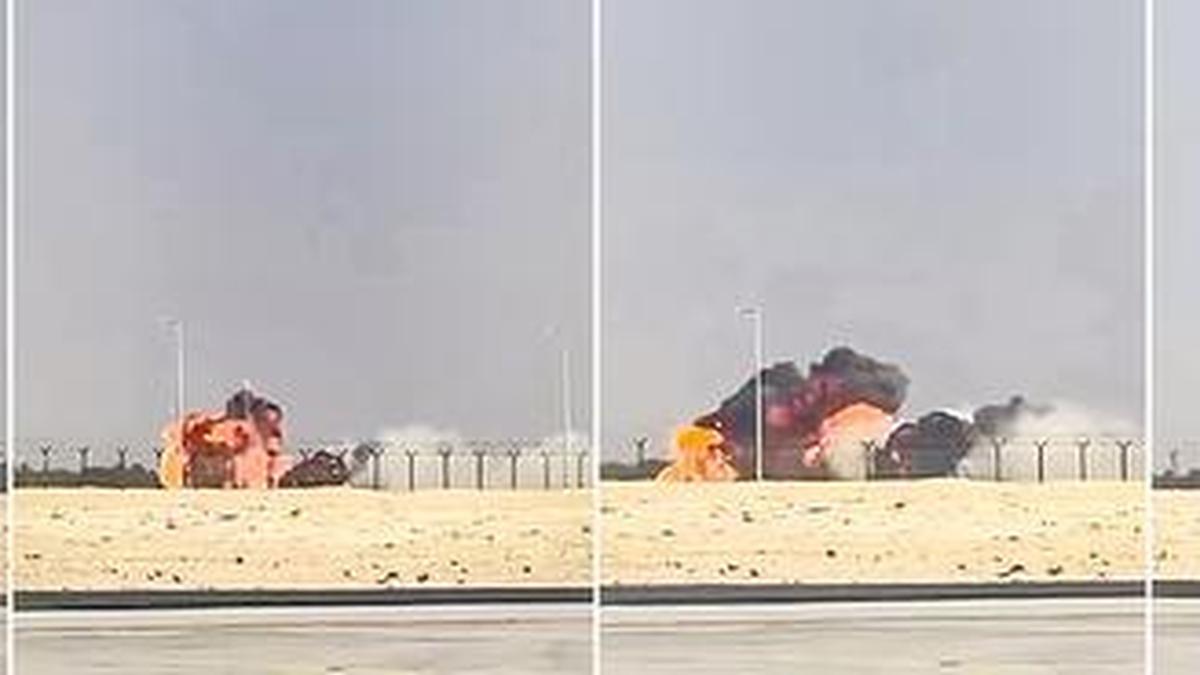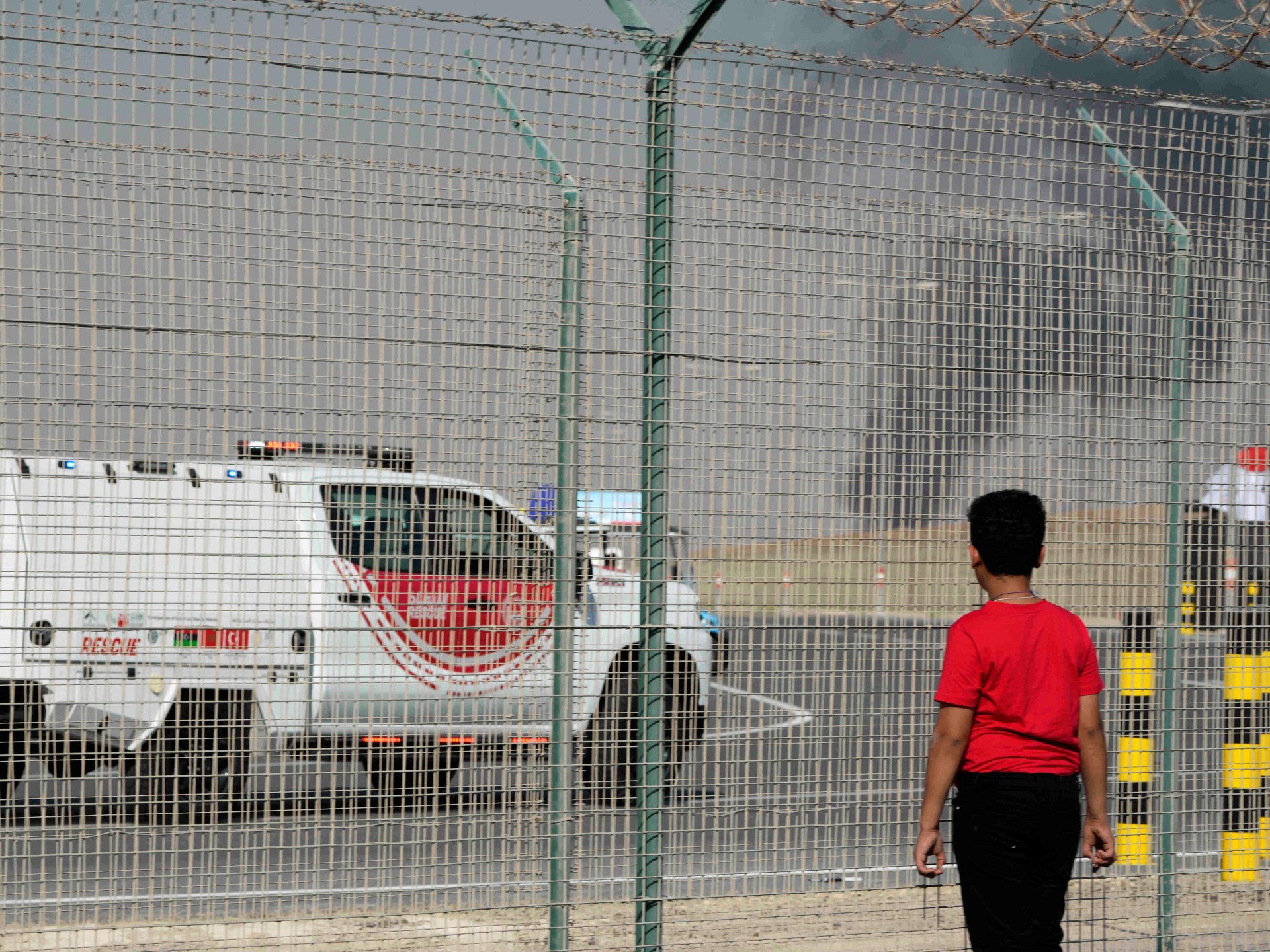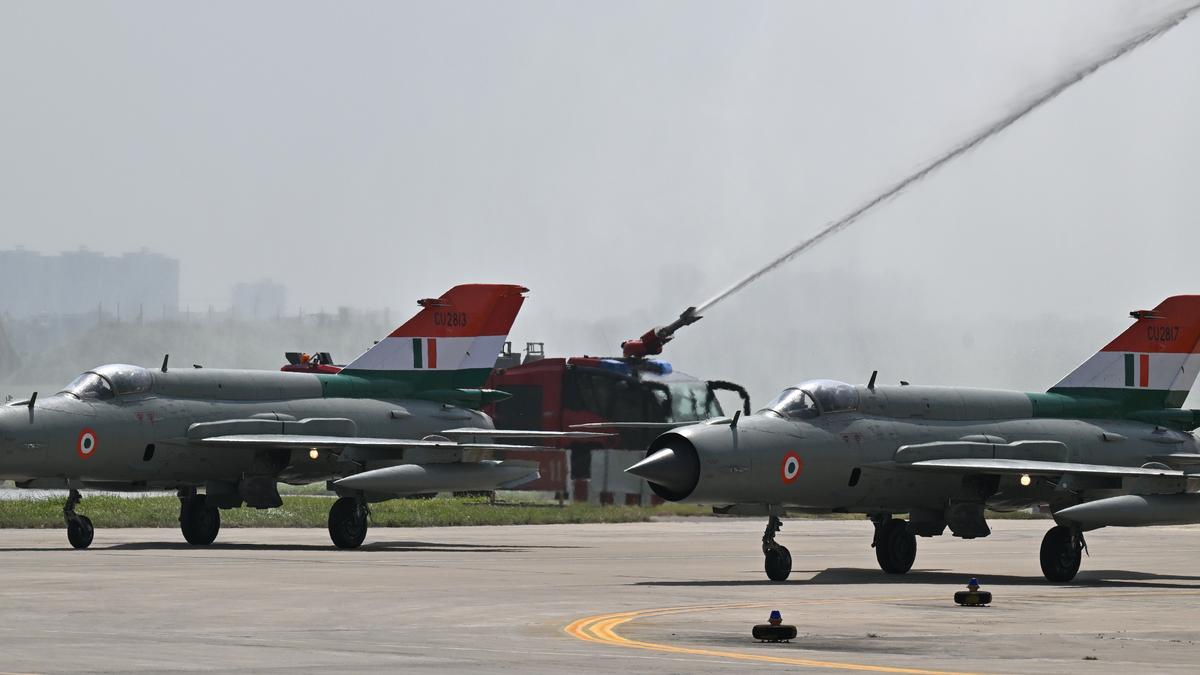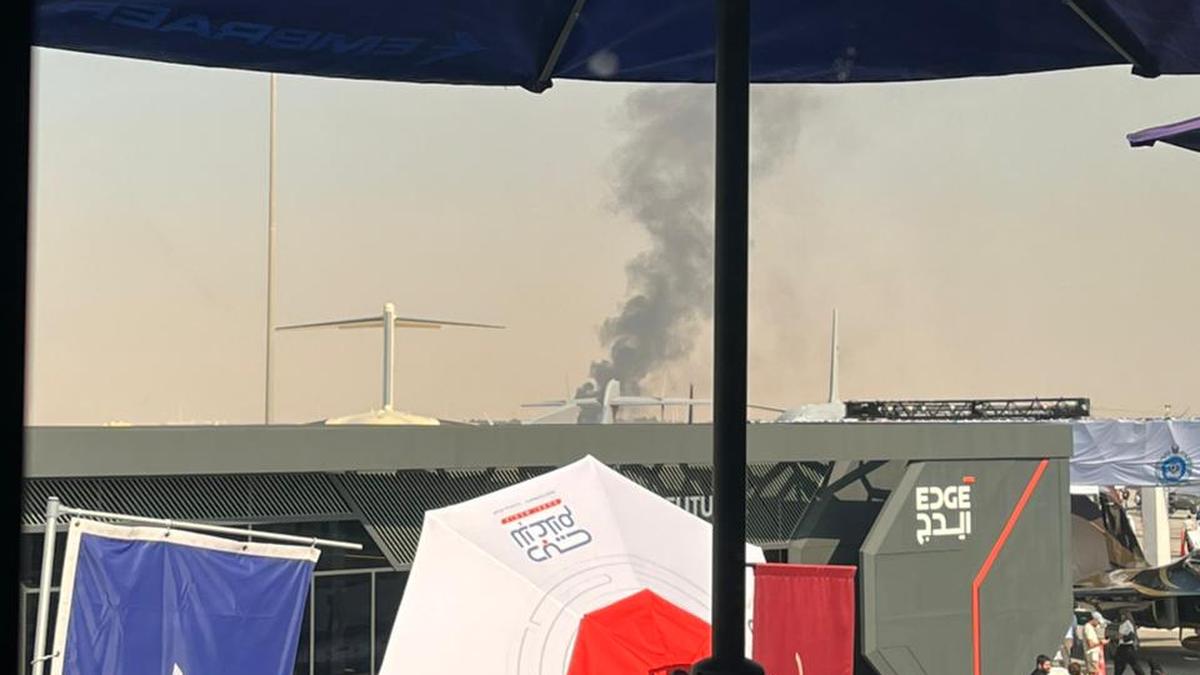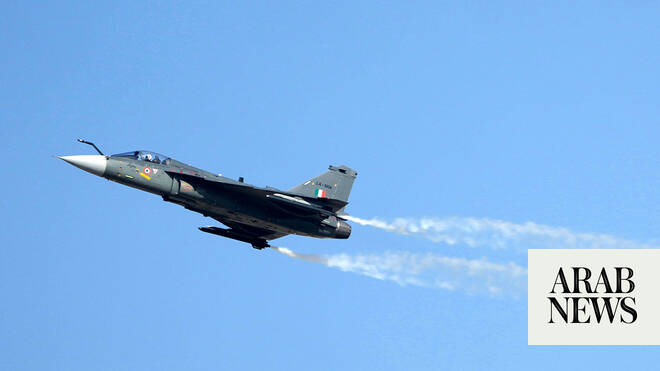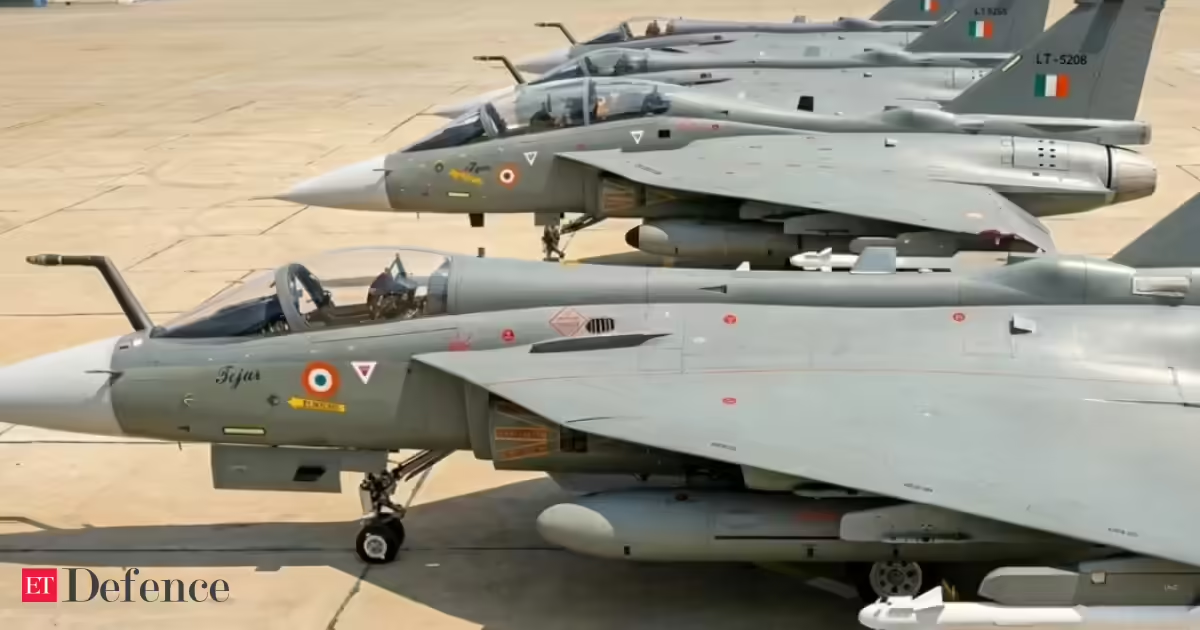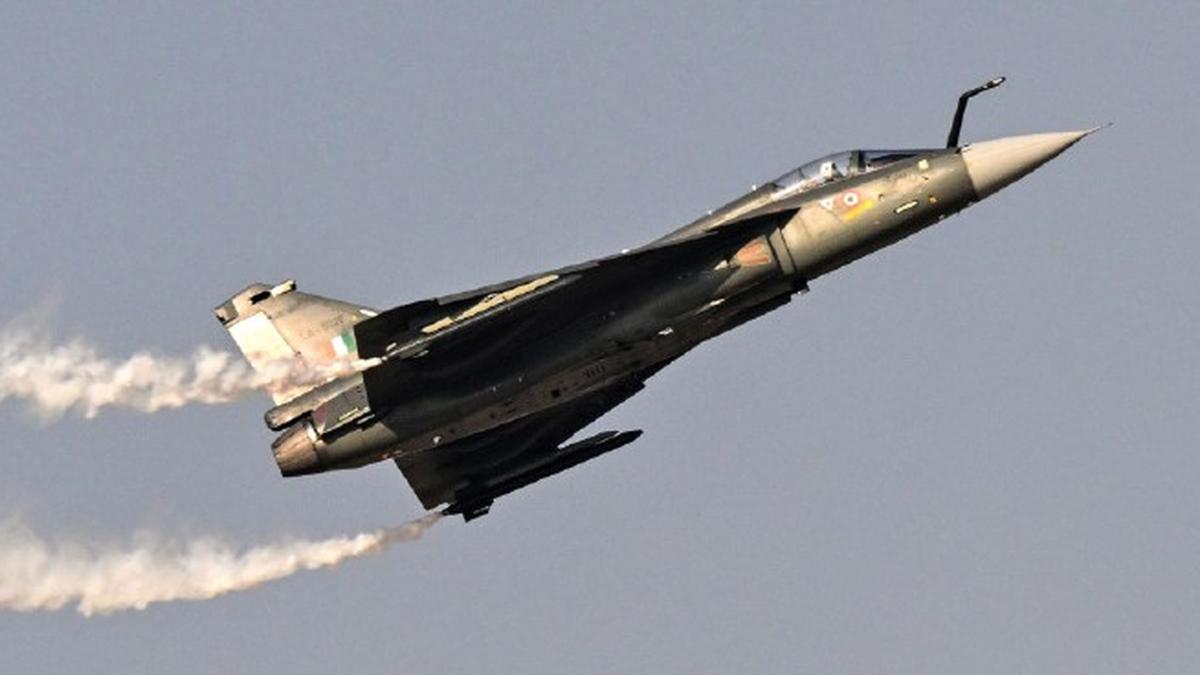
The crash of a Tejas Mk-1 Light Combat Aircraft (LCA), at the Dubai Air Show on November 21, which resulted in the tragic death of Indian Air Force (IAF) pilot Wing Commander Namansh Syal, has sparked an intense debate over Hindustan Aeronautics Ltd’s (HAL) capabilities and the government’s commitment to indigenous defence manufacturing.
Officials from both HAL and the IAF, however, maintain that the Tejas platform remains one of the safest contemporary fighter aircraft in its class. Addressing the concerns at an event in Delhi on Friday, HAL chairman and managing director D.K. Sunil strongly defended the jet’s track record. “There is absolutely no problem with Tejas; it is absolutely safe, and its safety record is the best in the world. What you saw in Dubai was an unfortunate incident,” he said.
Aviation experts have echoed this view, advising against drawing premature conclusions. They note that modern fighter operations involve inherent risks, and isolated incidents should be evaluated in context. Many believe the Dubai crash is unlikely to impact Tejas’s growing export potential.
The Dubai crash marks the second Tejas accident in less than two years. In March 2024, a Tejas fighter went down in Rajasthan’s Jaisalmer — the first crash in the aircraft’s 23-year flight history. Since its maiden test flight in 2001, the Tejas had maintained an unblemished record.