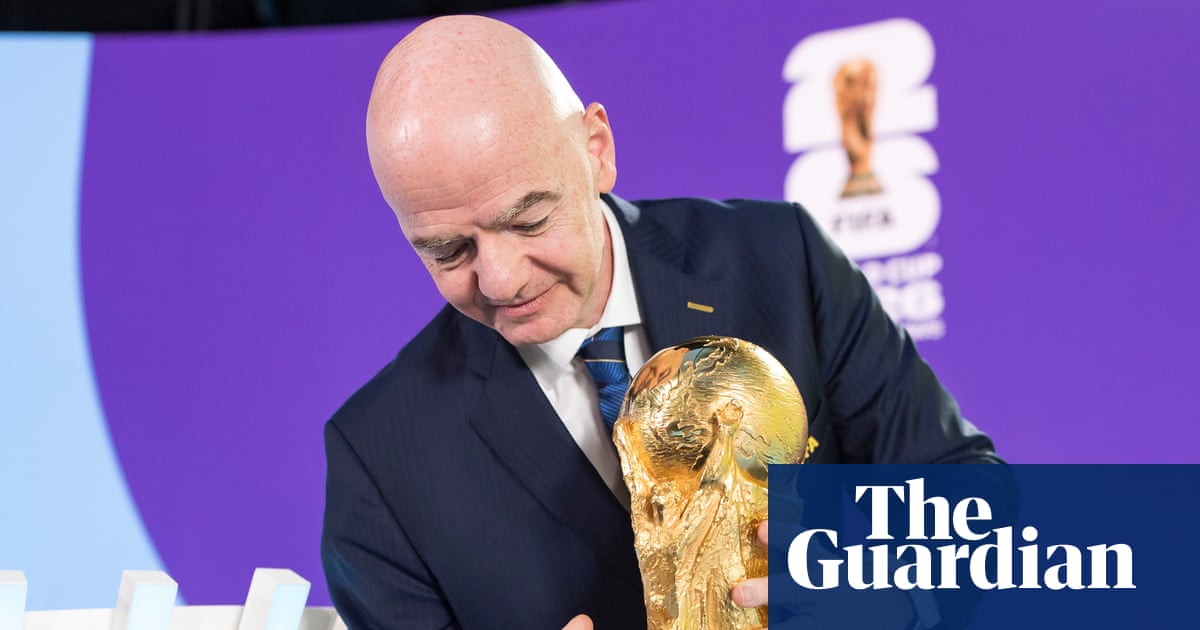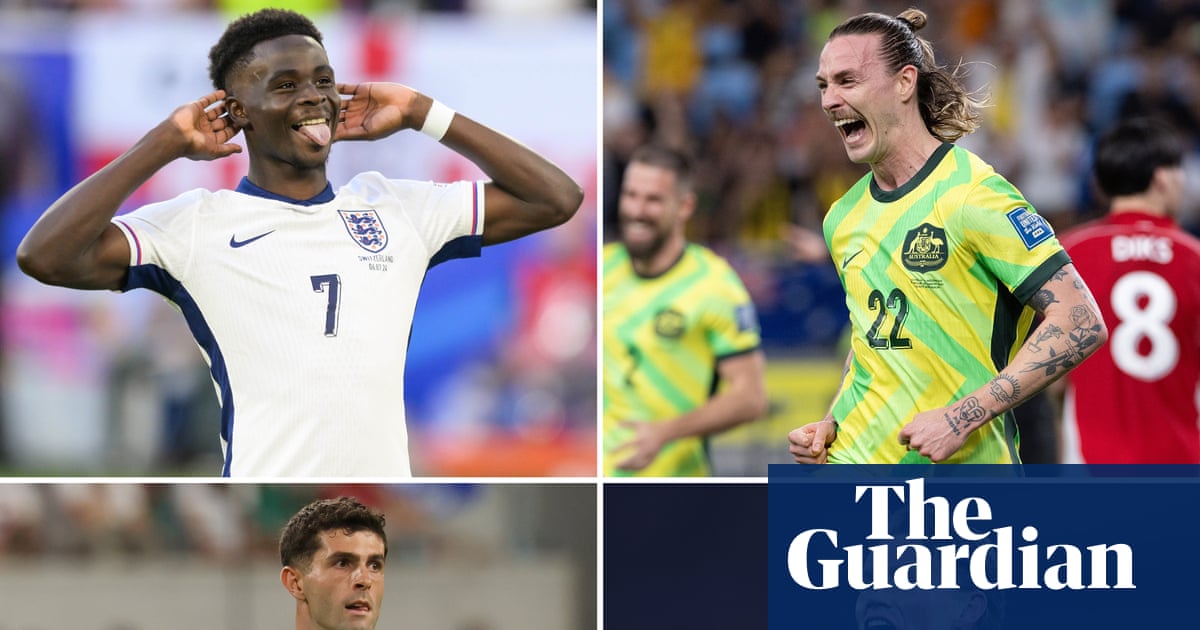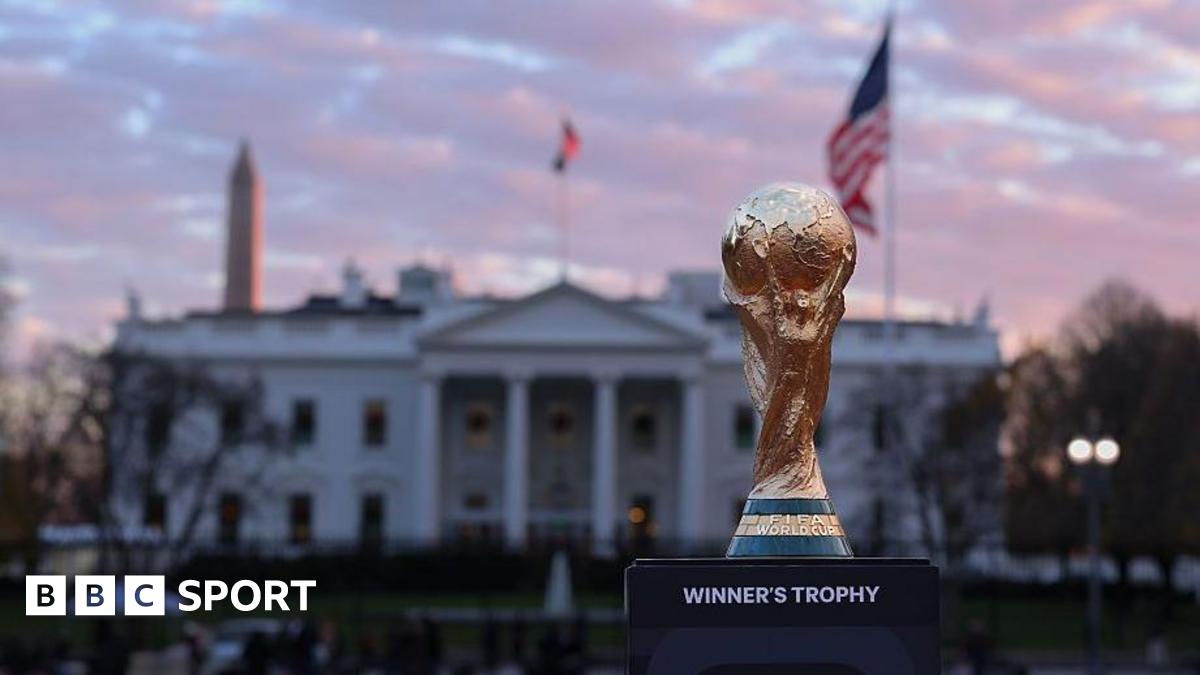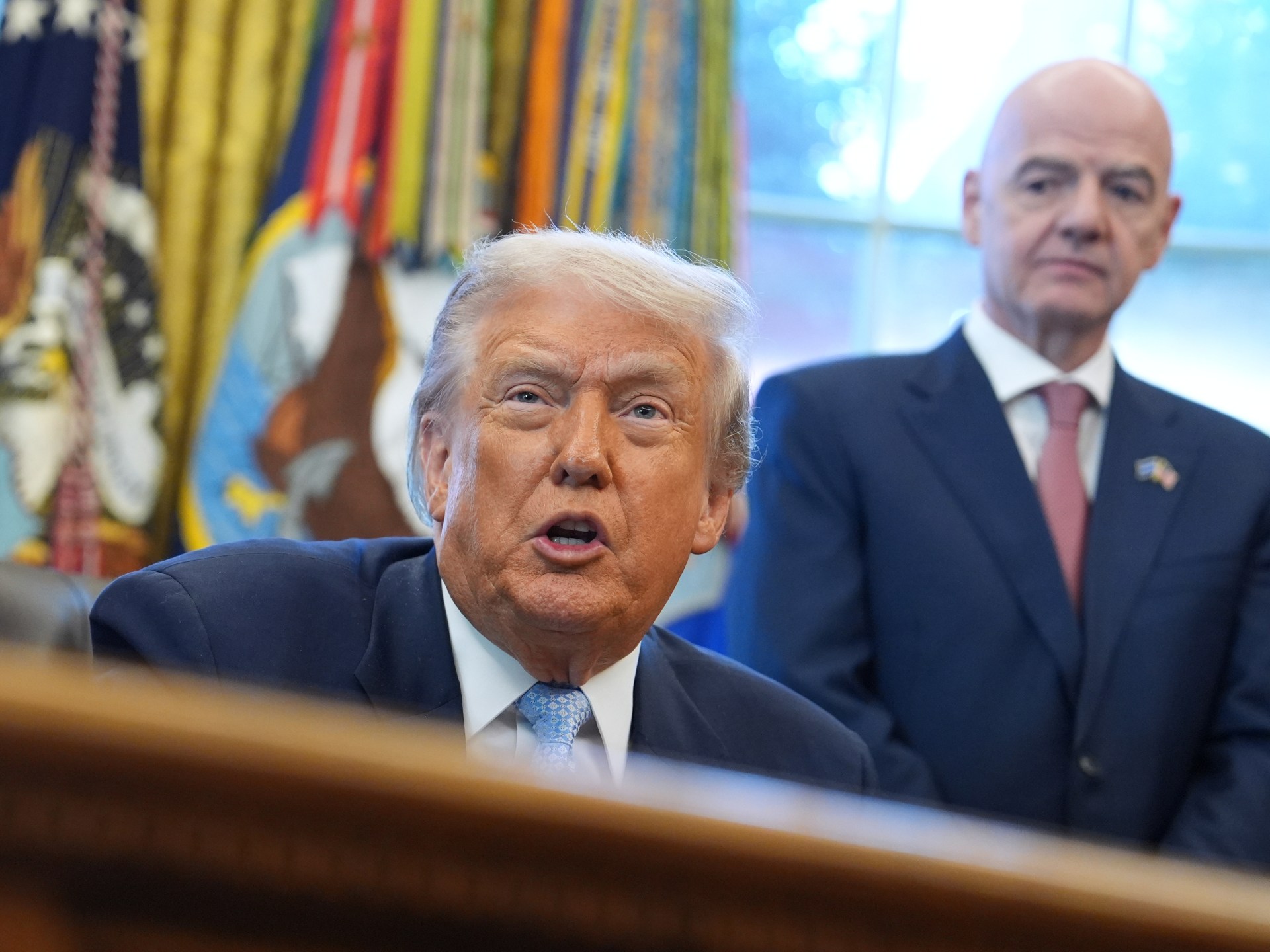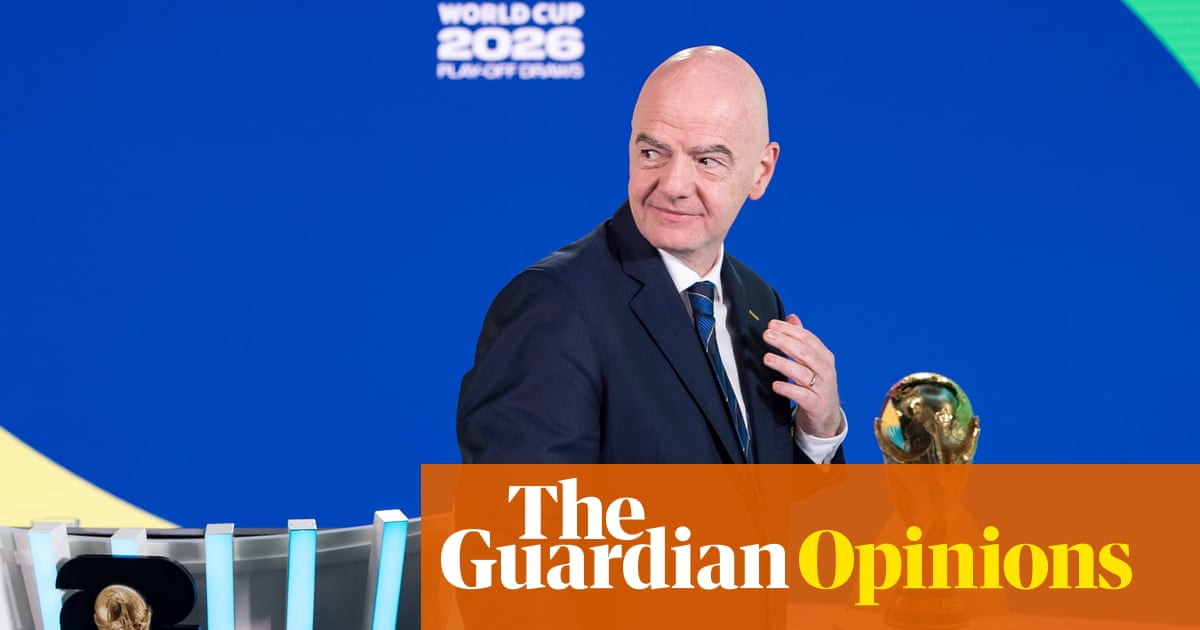
Top-four seeding shows Fifa prioritising marketing over sporting integrity once again but even best-laid plans can flop
T
he plastic balls rumble around the glass bowls of destiny. Portentous music plays. There is a sense of possibility, as though the inner workings of the universe have suddenly been laid bare, a door opening to reveal the three Fates sitting by their spinning wheel, measuring rod and shears in hand.
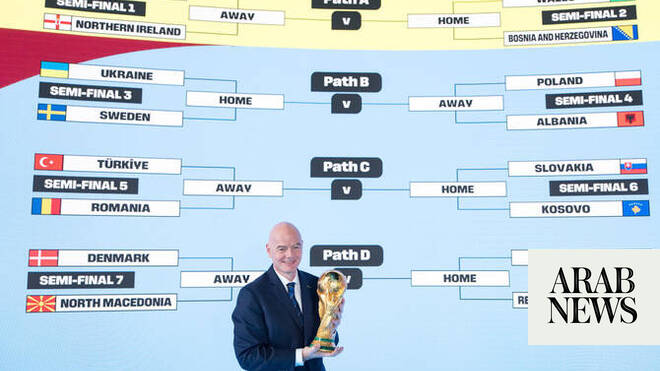
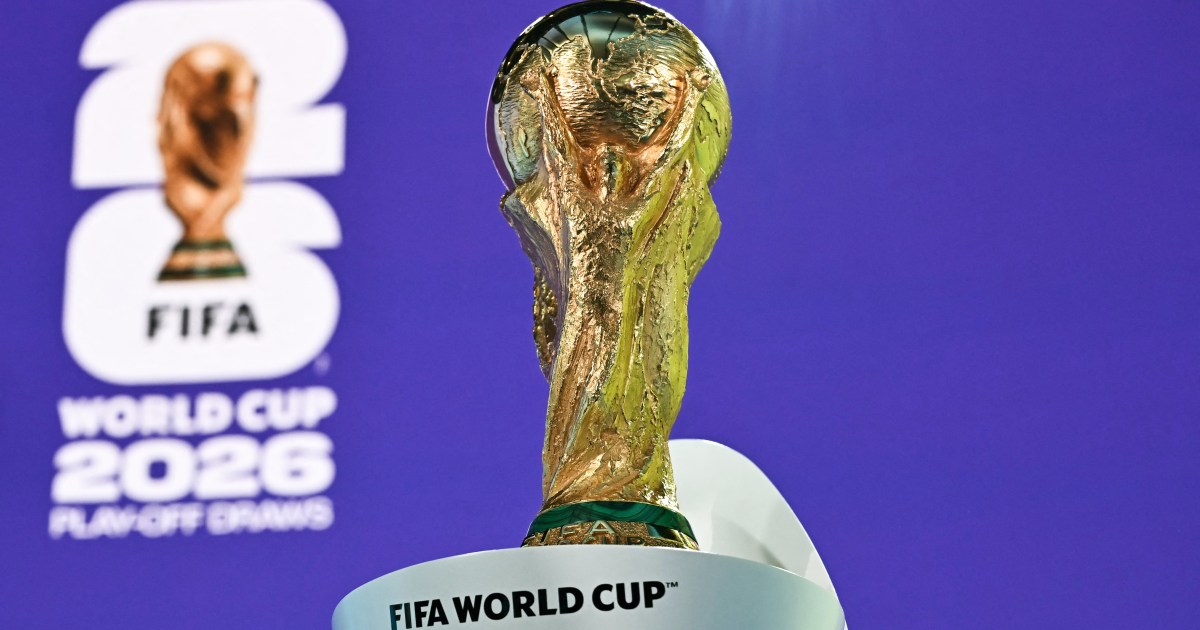
A World Cup draw is a moment of perfection, a platonic vision before reality has had time to intervene. Everybody is fit and in form. Every nation is playing as an ideal version of itself – no injuries, no disputes over bonuses, no concerns about fatigue or the temperature or whether a player might be distracted by a possible transfer; it’s the World Cup as pure potential. With Friday’s draw, next summer will suddenly feel a lot closer.
There will be fixtures and opponents, a schedule and planning. But the draw also says a lot about the hosts: it’s an early indicator of what sort of tournament can be expected. Last time the United States hosted, in 1994, they went all out for glitz, glamour and Americana. The draw was staged in Las Vegas, very much a home of determining the future through guided randomness.