SOLÈNE REVENEY/LE MONDE
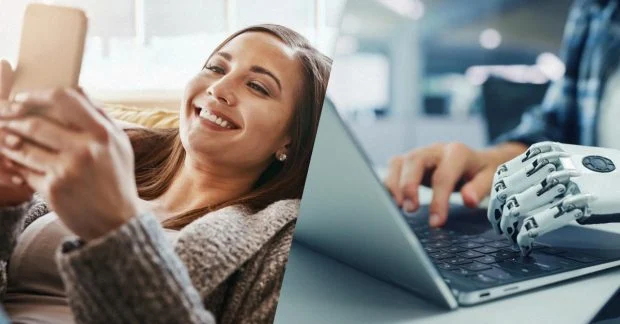
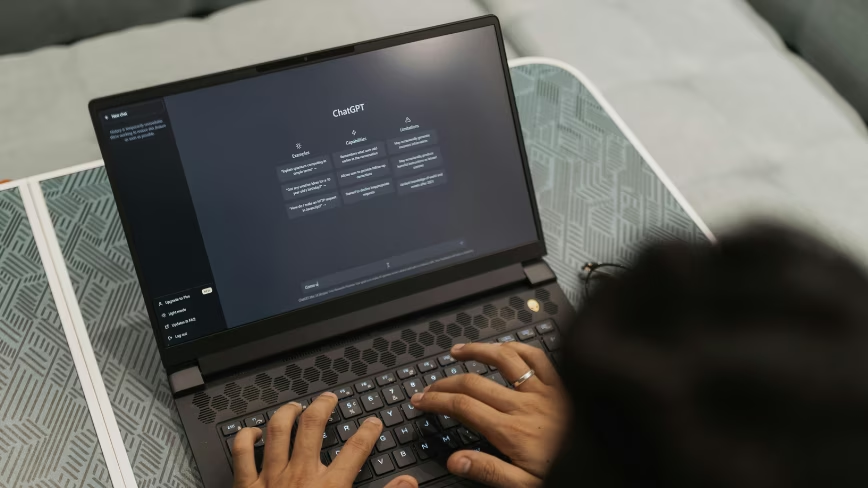
"When I match, I only get one shot. I might as well give it to a computer that has millions of pieces of information and more experience than I do." Anis, 26, openly admits to using ChatGPT on dating apps. He consulted the chatbot to write his profile and to initiate conversations with women. "I give it details about the other person's profile and describe the photos, so it can suggest opening lines."
Anis explained that he turned to ChatGPT because of past difficulties on dating apps, blaming both their design and, above all, the intense competition they create among users. "You know there are always 10 other guys before or after you who might have a better opening or a better vibe," said the law student, who regularly deletes and reinstalls the apps and feels that, with or without AI, there is already "no authenticity left at all."
By allowing us to connect with an abundance of people, far beyond our usual social circles, dating apps have created a marketplace where users are both products and buyers. "The apps plunge us into an endless spiral of dissatisfaction," explained sociologist Christine Détrez. And as rejections or failures pile up, self-confidence takes a hit. "It's our own qualities that are called into question when a relationship doesn't work out. If it didn't work, it must be because we're not funny enough, attractive enough, or young enough." As a result, many users become jaded with the apps – a phenomenon known as "dating fatigue."