https://arab.news/zk83g
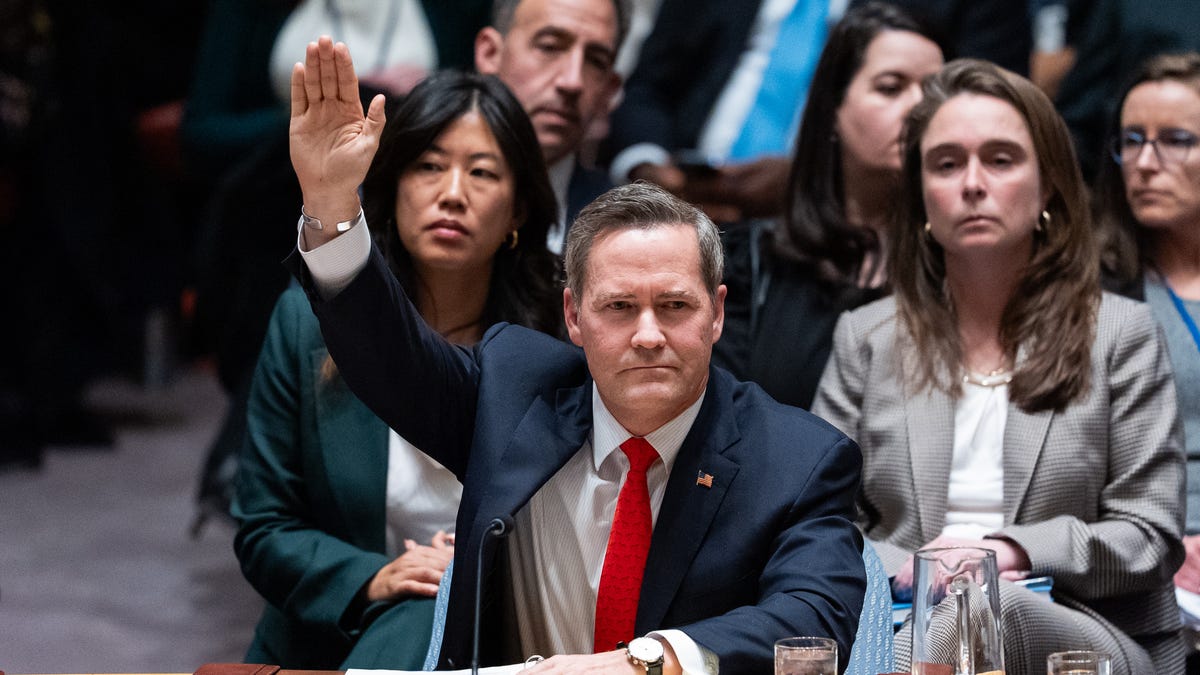
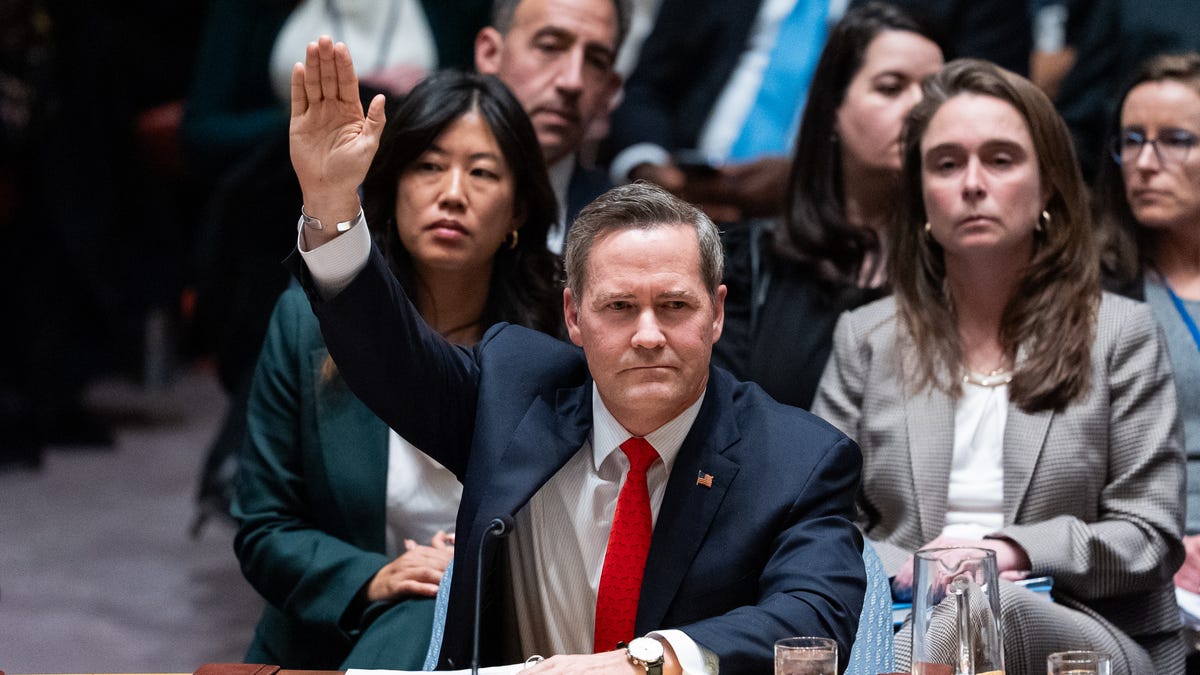
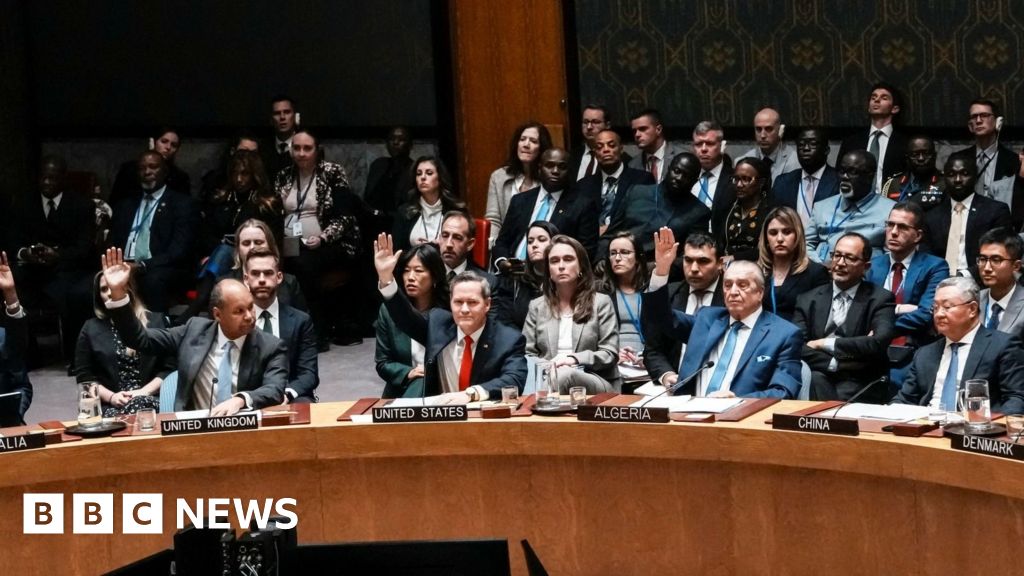
With the UN Security Council’s adoption of the US resolution endorsing President Donald Trump’s plan for Gaza, the Palestinian file has entered one of its most delicate phases since the eruption of the war. What began as a 20-point proposal circulating through bilateral and regional understandings has now been pushed by Washington into the realm of binding international legitimacy — backed by an unusually broad Arab and Islamic consensus that includes Egypt, Qatar, Saudi Arabia, Turkey, the UAE, Jordan, Pakistan, and Indonesia. The proposal is no longer merely an American initiative; it has become a political and security framework protected by the authority of the UN, meant to shape the contours of Gaza’s post-war phase, and perhaps the future of the Palestinian question.
Granting the plan international endorsement gives it political and legal weight not seen since Israel’s withdrawal from Gaza in 2005. The next stage will no longer depend on fragmented negotiations or piecemeal mediation efforts, but on a unified international process that enables the formation of a “International Stabilization Force” working in coordination with Egypt, Israel, and newly trained Palestinian police units. Its mandate includes border security, disarming non-state armed groups, securing humanitarian corridors, protecting civilians, and supporting reconstruction. The establishment of a “Peace Council” as a transitional governing body for Gaza through the end of 2027 adds an institutional dimension that goes well beyond the original American paper.