From Michelangelo and Leonardo to Picasso and Matisse, bitter feuds have defined art. But are contemporary artists more collaborative than their renaissance predecessors?
“H
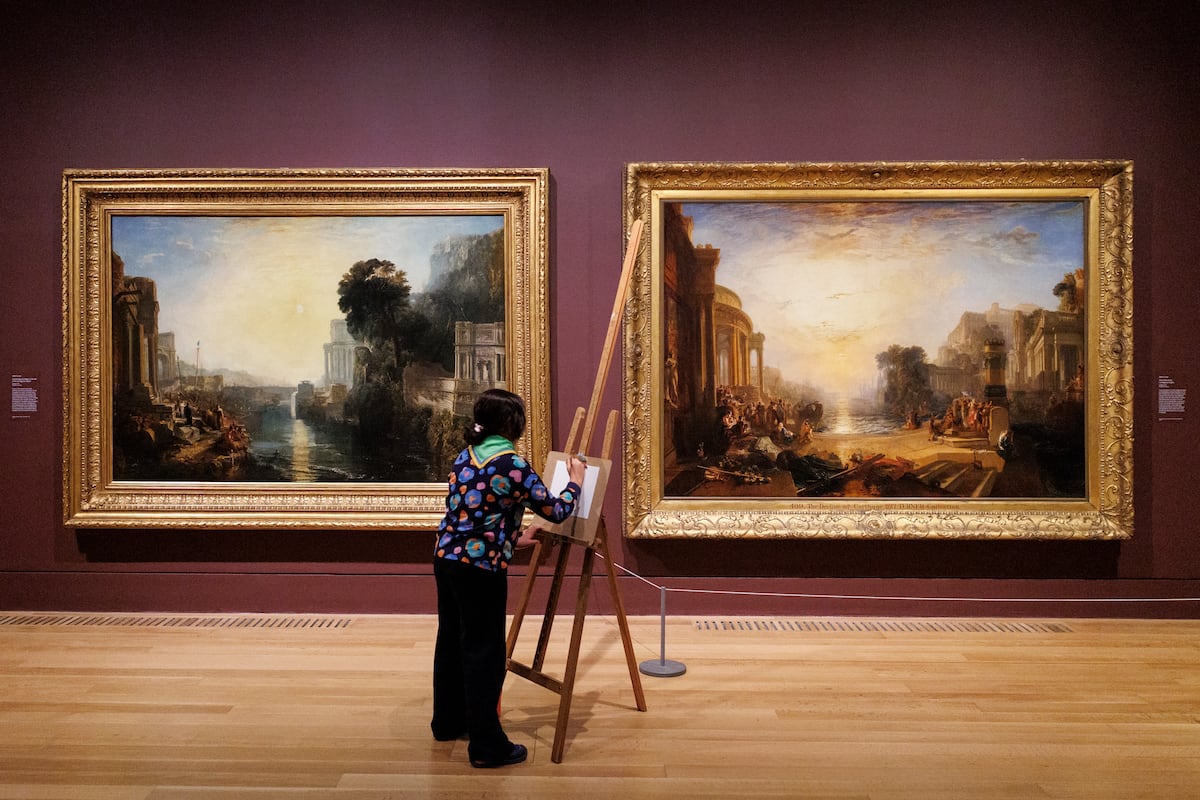
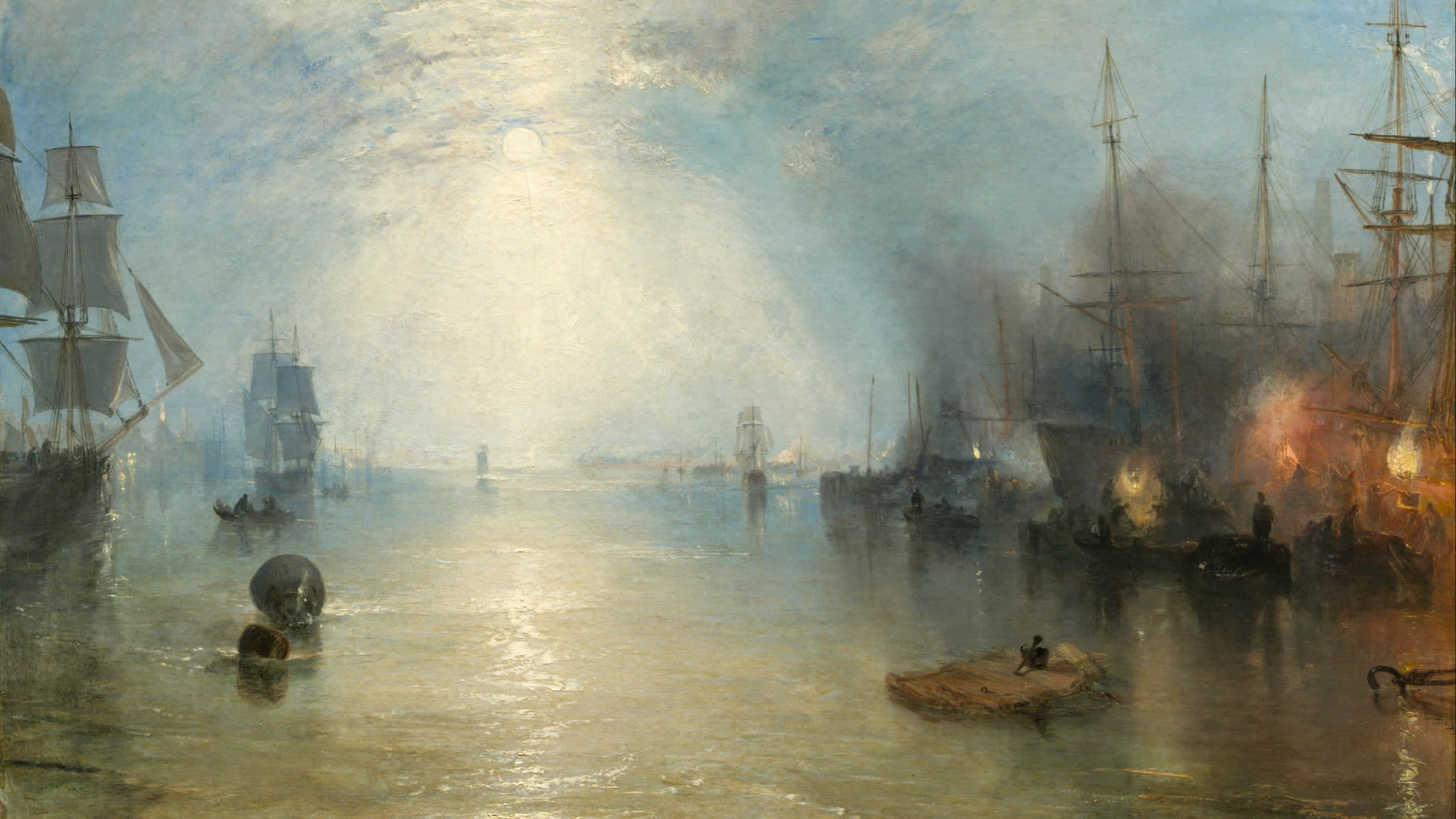
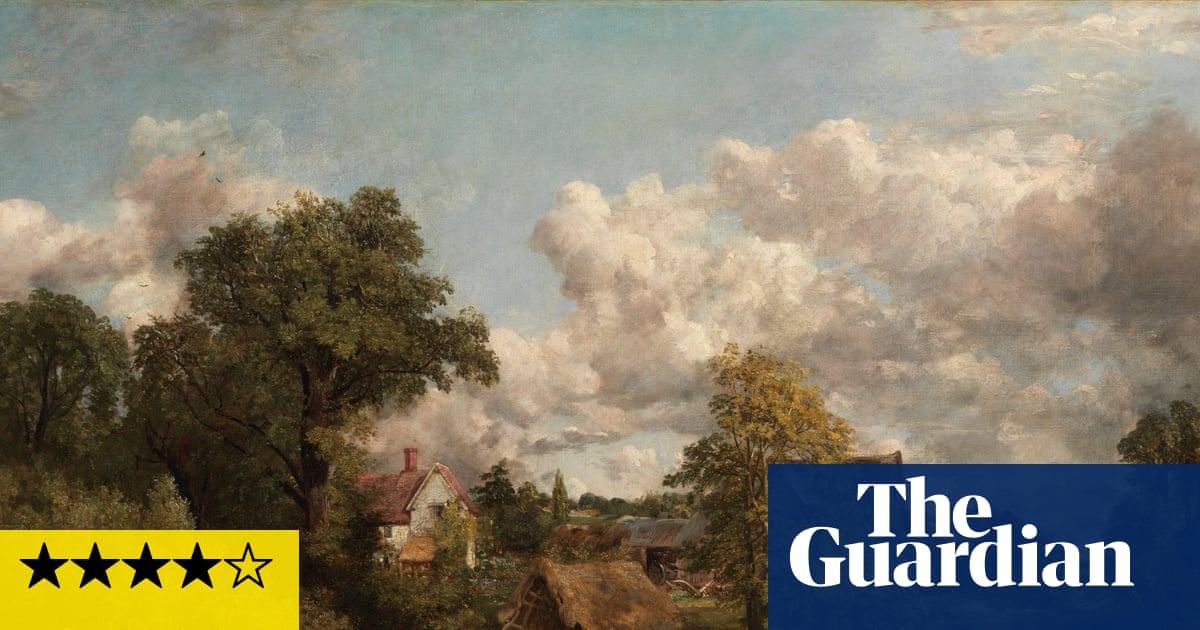
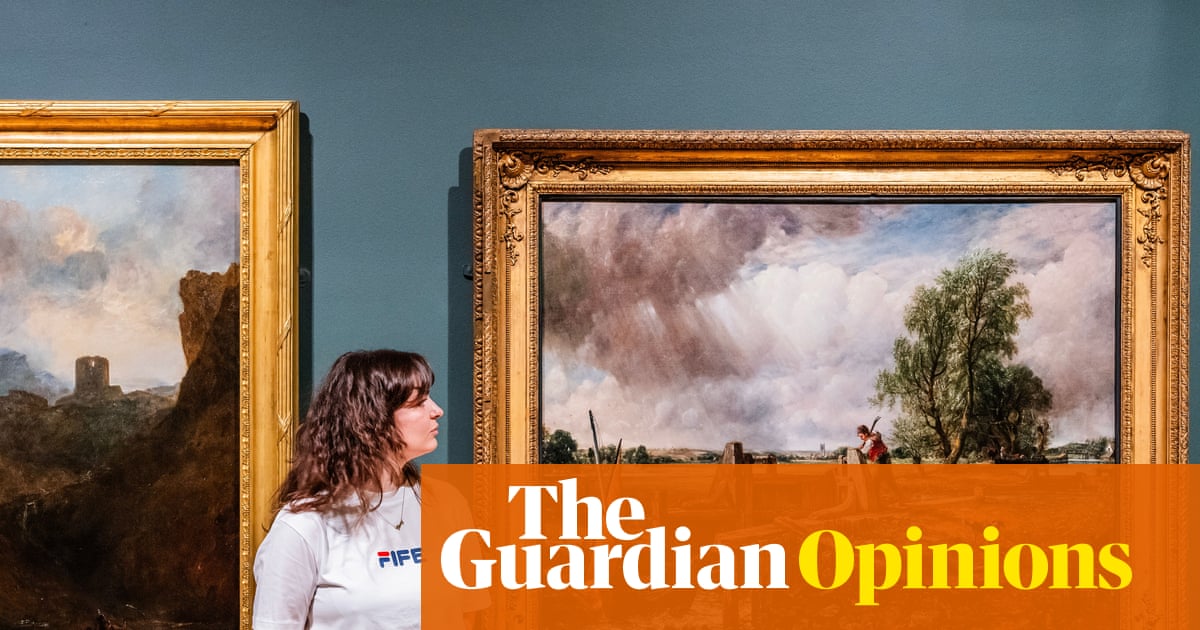
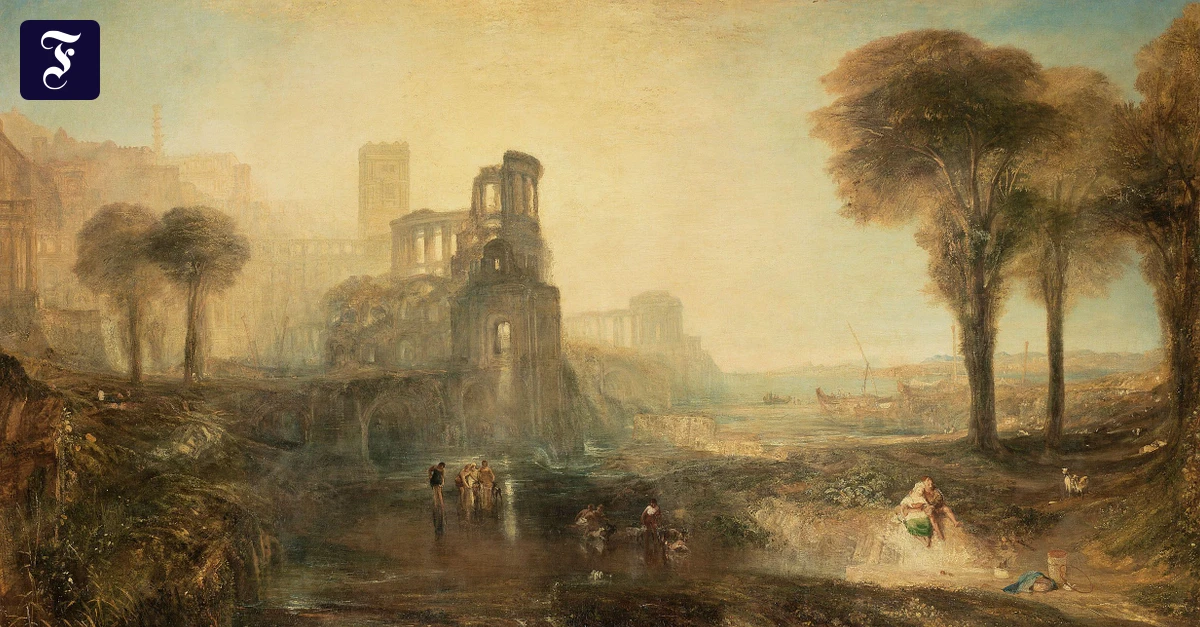
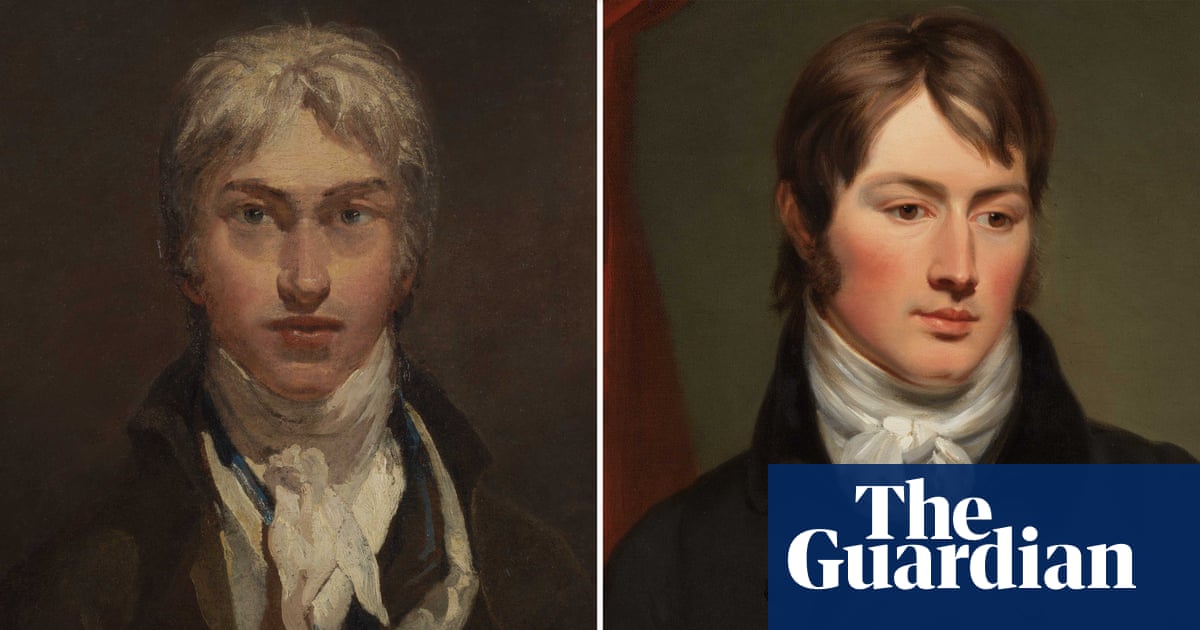
e has been here and fired a gun,” John Constable said of JMW Turner. A shootout between these two titans would make a good scene for in a film of their lives, but in reality all Turner did at the 1832 Royal Academy exhibition was add a splash of red to a seascape, to distract from the Constable canvas beside it.
That was by far the most heated moment in what seems to us a struggle on land and sea for supremacy in British art. It’s impossible not to see Tate Britain’s new double header of their work this way. For it is a truth universally acknowledged, to paraphrase their contemporary Jane Austen, that when two great artists live at the same time, they must be bitter and remorseless rivals. But is that really so, and does it help or hinder creativity?
The Renaissance sculptor Benvenuto Cellini literally fired guns, blasting a man to death at close range with an arquebus. But when he contemplated murdering his rival Baccio Bandinelli, whom he claimed was “full of badness” and whose statue of Hercules looked “like a sack of melons”, it was with his trusty dagger. Cellini spotted Bandinelli across a quiet piazza, according to his autobiography, and reached for his blade to end their competition for Medici patronage with a single knife blow – but spared him.