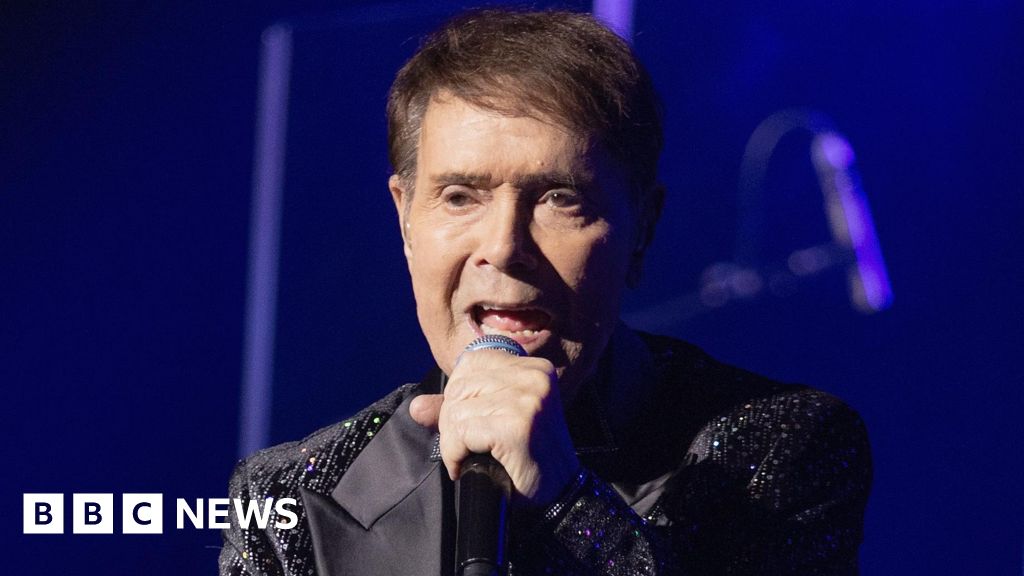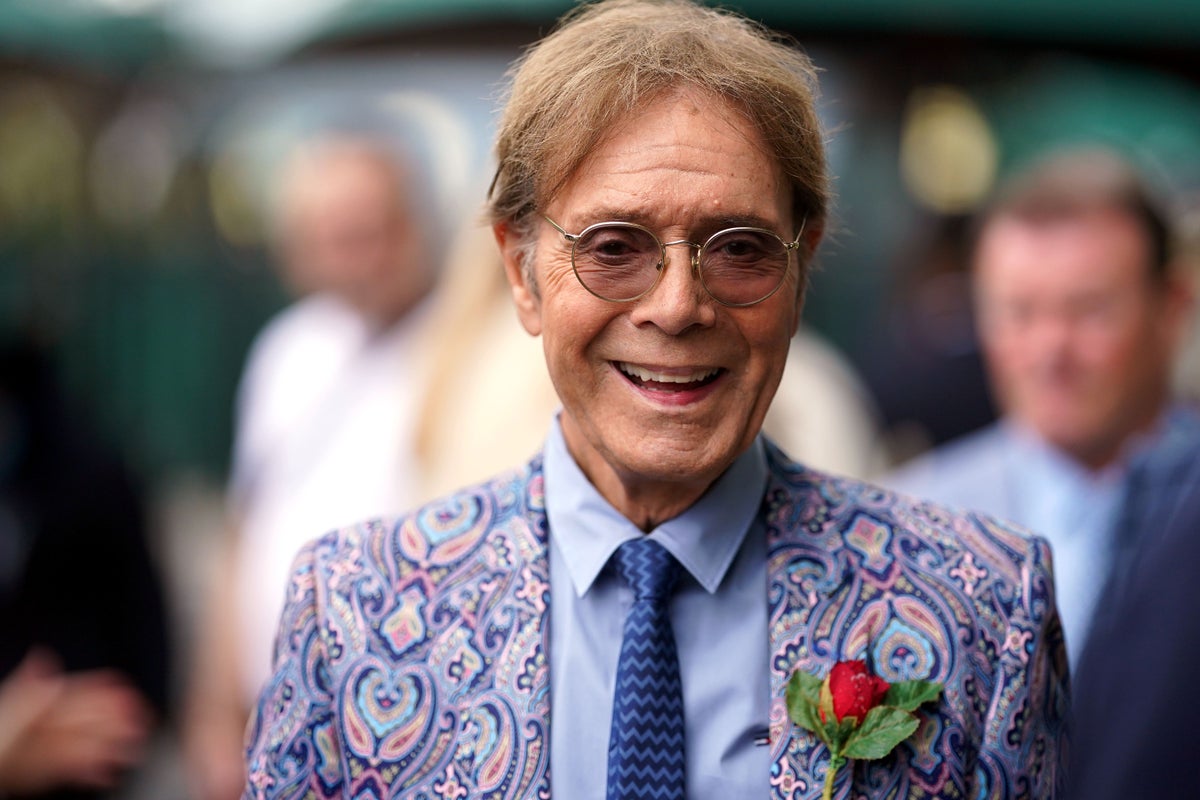
Despite being exiled from pop’s mainstream, he’s outlasted his contemporaries and is still selling out big rooms – what’s the secret to the national institution’s success?
A
t 85, Sir Cliff Richard is out on the road again. Last week, he wrapped up a run of shows in Australia and New Zealand. Tomorrow, the UK leg of his Can’t Stop Me Now tour opens in Cardiff, finishing at the Royal Albert Hall on 9 December. He was the artist who opened the British rock’n’roll era, with Move It in 1958, and after 67 years he is still selling out big rooms.
To the uninitiated, Sir Cliff’s continued presence is at best a mystery, and at worst an affront to taste. That is to misunderstand him: Sir Cliff doesn’t operate in the music business – despite his gripes with it – so much as in the Cliff Richard business. When he disappeared from national radio, to his great distress, it was because he had long since ceased to operate in a world recognisable to the rest of pop.
The writer Richard Williams predicted this future as far back as 1980, when the singer was having a revival off the back of a run of sleek MOR hits such as Carrie and We Don’t Talk Anymore. “Perhaps he will become the next century’s Vera Lynn,” Williams wrote in the Times, and that is more or less what he has become – a performer to commemorate Christmases and royal anniversaries. A national institution rather than a national treasure.