Paul Brown looks back at his career reporting on the climate crisis, failed summit and nuclear power – and how to do it well
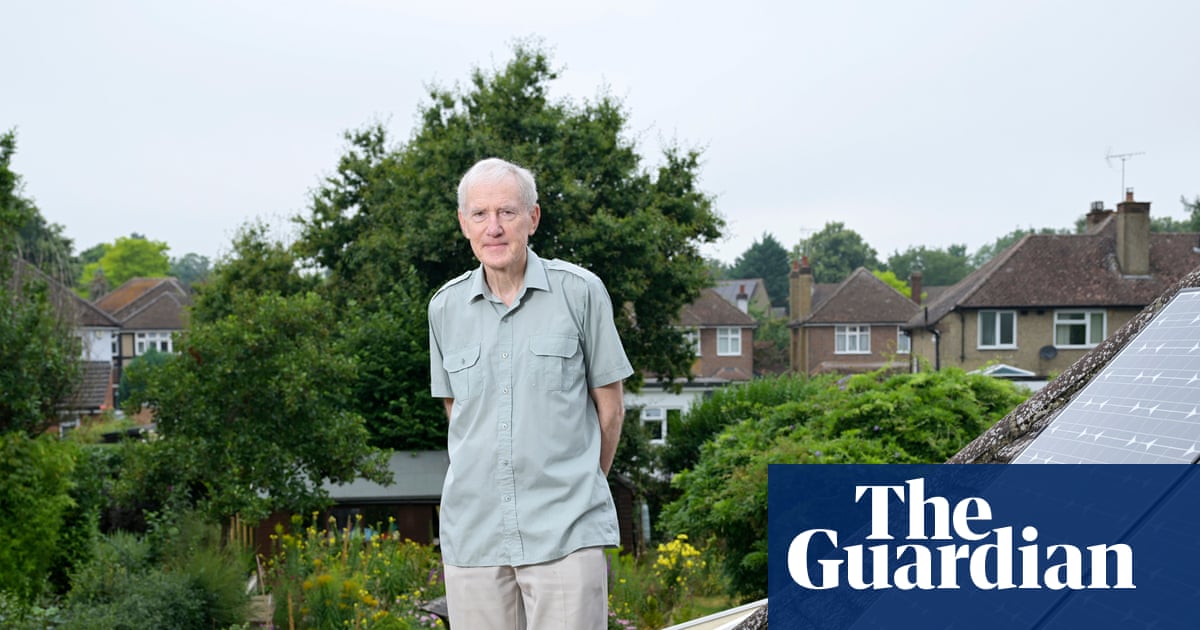
Paul Brown was the Guardian’s environment correspondent from 1989 until 2005 and has written many columns since. He submitted his last column last week after being diagnosed with terminal lung cancer. From his hospital bed in Luton, Paul offers his reflections on 45 years writing for the Guardian.
We, in the climate business, all owe a great deal to Mrs Margaret Thatcher. Her politics were anathema to me and to many Guardian readers. But she prided herself on being a scientist before she was a politician.
It was Thatcher’s inquiring mind that first demanded a scientific briefing about the dangers of the hole in the ozone layer, and subsequently on another even greater potential catastrophe, climate change. She was at the height of her influence on the international stage.
Meanwhile, the Guardian was getting more and more interested in the environment. Friends of the Earth and Greenpeace had grown into large radical campaigning organisations, alongside more established organisations like the WWF. Their young membership increasingly looked to the Guardian to report their activities and advertise green jobs.