The war in Ukraine is a crime. But European leaders should be working for peace, not preparing young people to fight and die
W
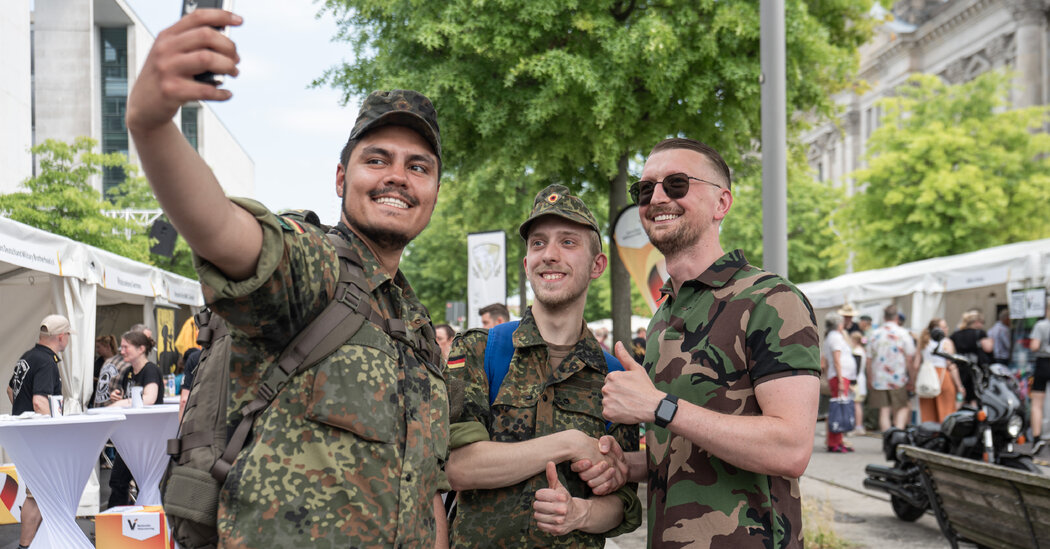
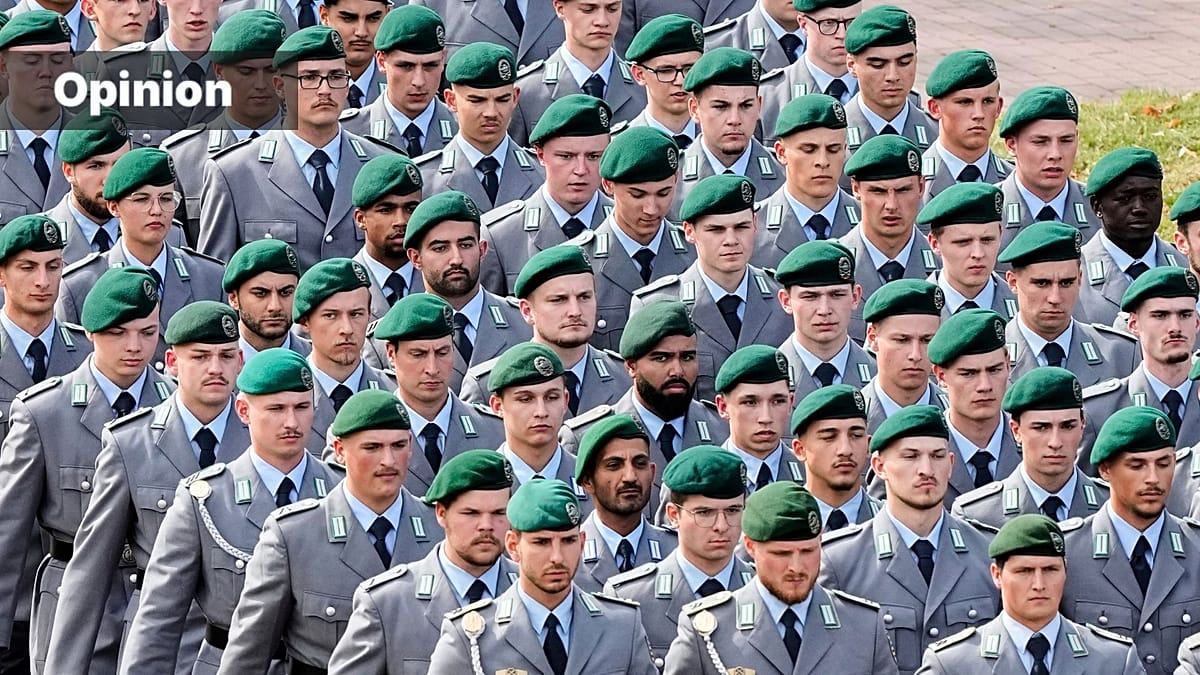
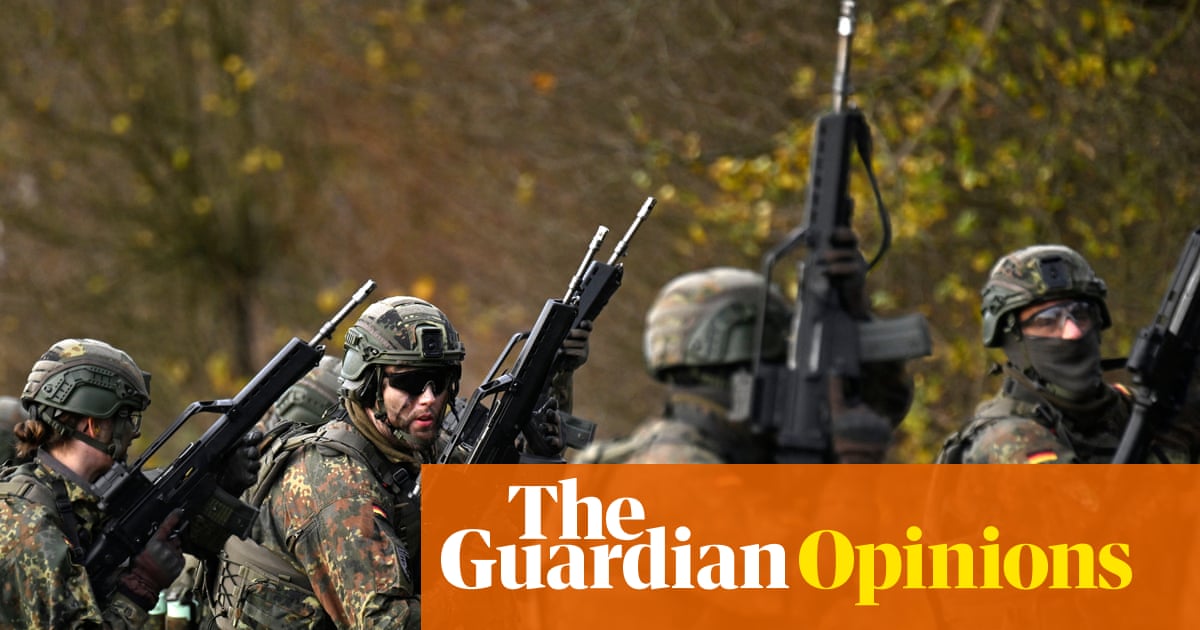
hen I was growing up, the most German sentence imaginable was: “We’ve lost two world wars and we’re proud of it.” We were so anti-military, we even gave our policemen green uniforms, to make them look more like foresters than soldiers. Now, the chancellor, Friedrich Merz, wants our army to become the strongest in Europe. I mean, what could go wrong?
After we lost the second world war – or, as we prefer to say, after we were liberated by the allies – we swore “never again”: never again to war, and never again to Auschwitz. Admittedly, Germany rearmed in 1955, but just as “citizens in uniform”, not as soldiers following orders. Mind you, that didn’t mean that you could say “no” to an order; it just meant that we had conscription for most young men until 2011.
If that sounds incredible, for us it was incredible that the British army, among others, fought wars all over the globe. For most of my life, the German army didn’t venture beyond our borders. Then came reunification in 1990, and during the first sitting of the all-German Bundestag, the then chancellor, Helmut Kohl, announced that we had to step up internationally: in 1994, the law was changed accordingly to allow the Bundeswehr to be deployed “out of area” again.