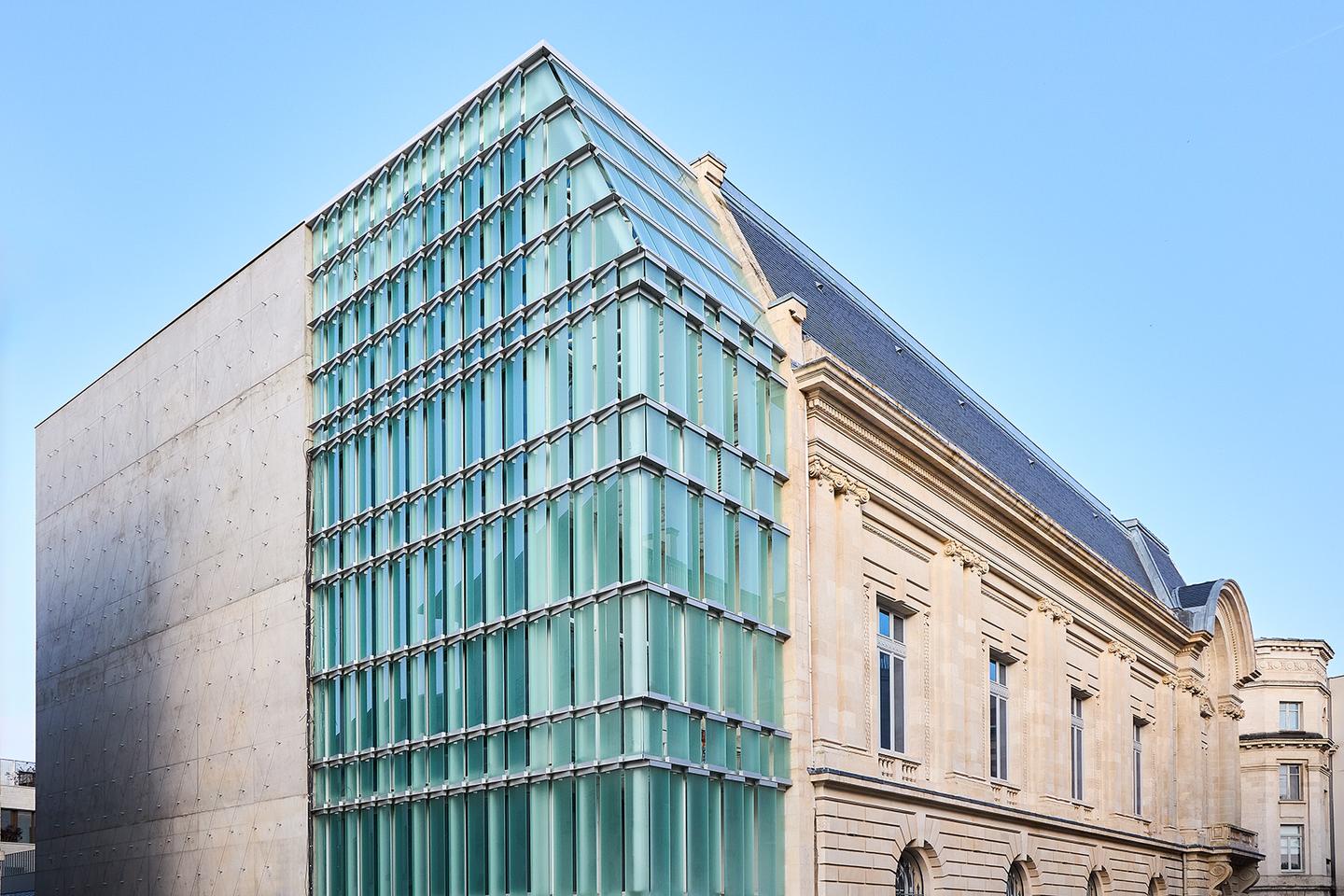
Exterior view of the Bonnat-Helleu Museum, in Bayonne (Pyrénées-Atlantiques), June 2025. ALEXANDRA VAQUERO
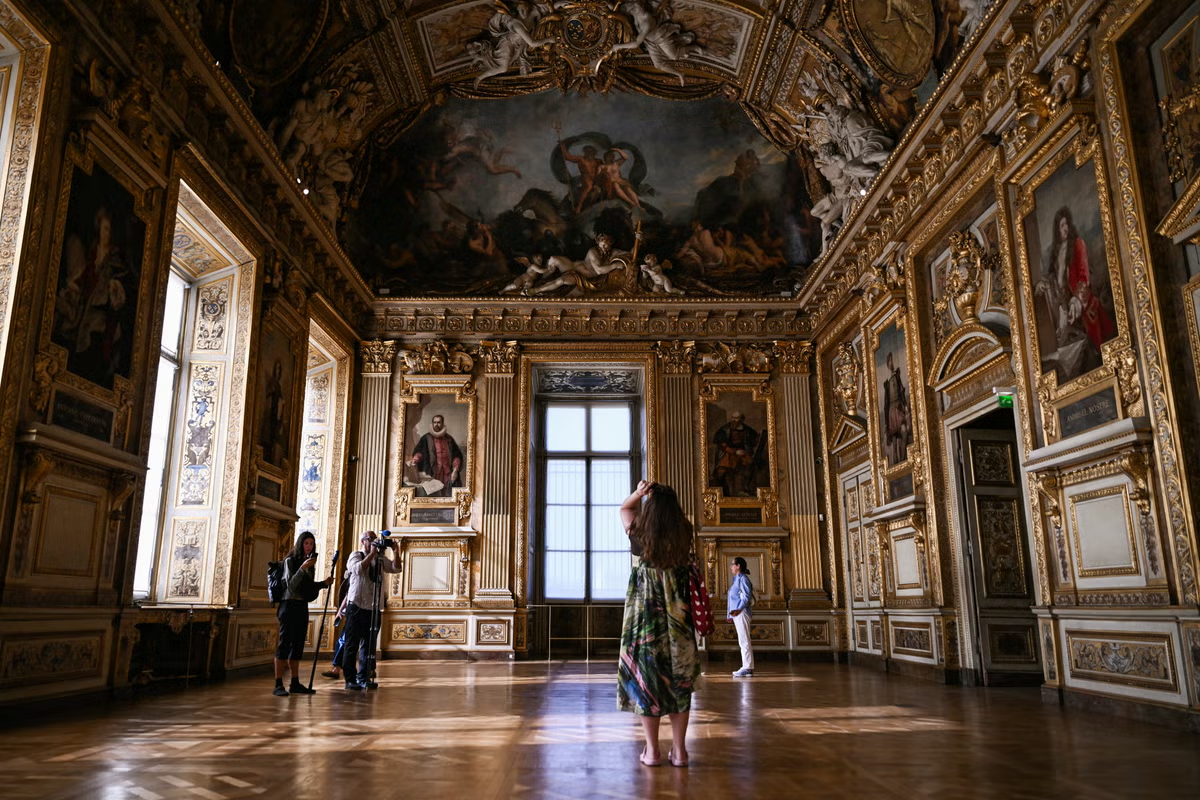
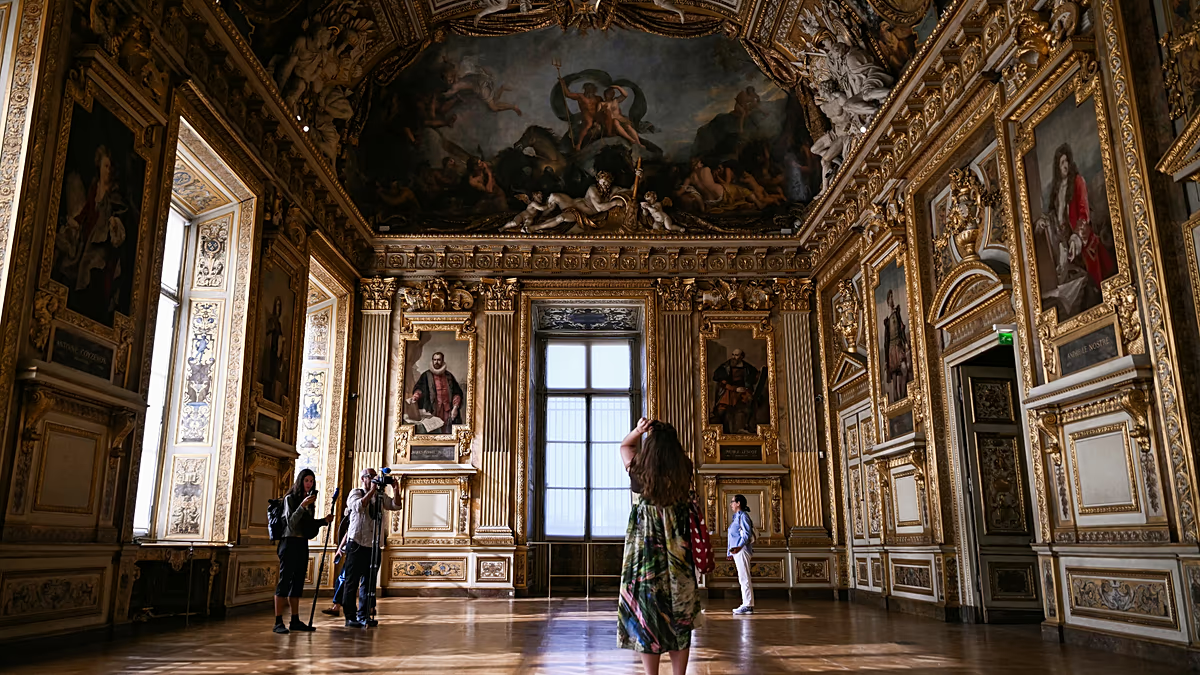
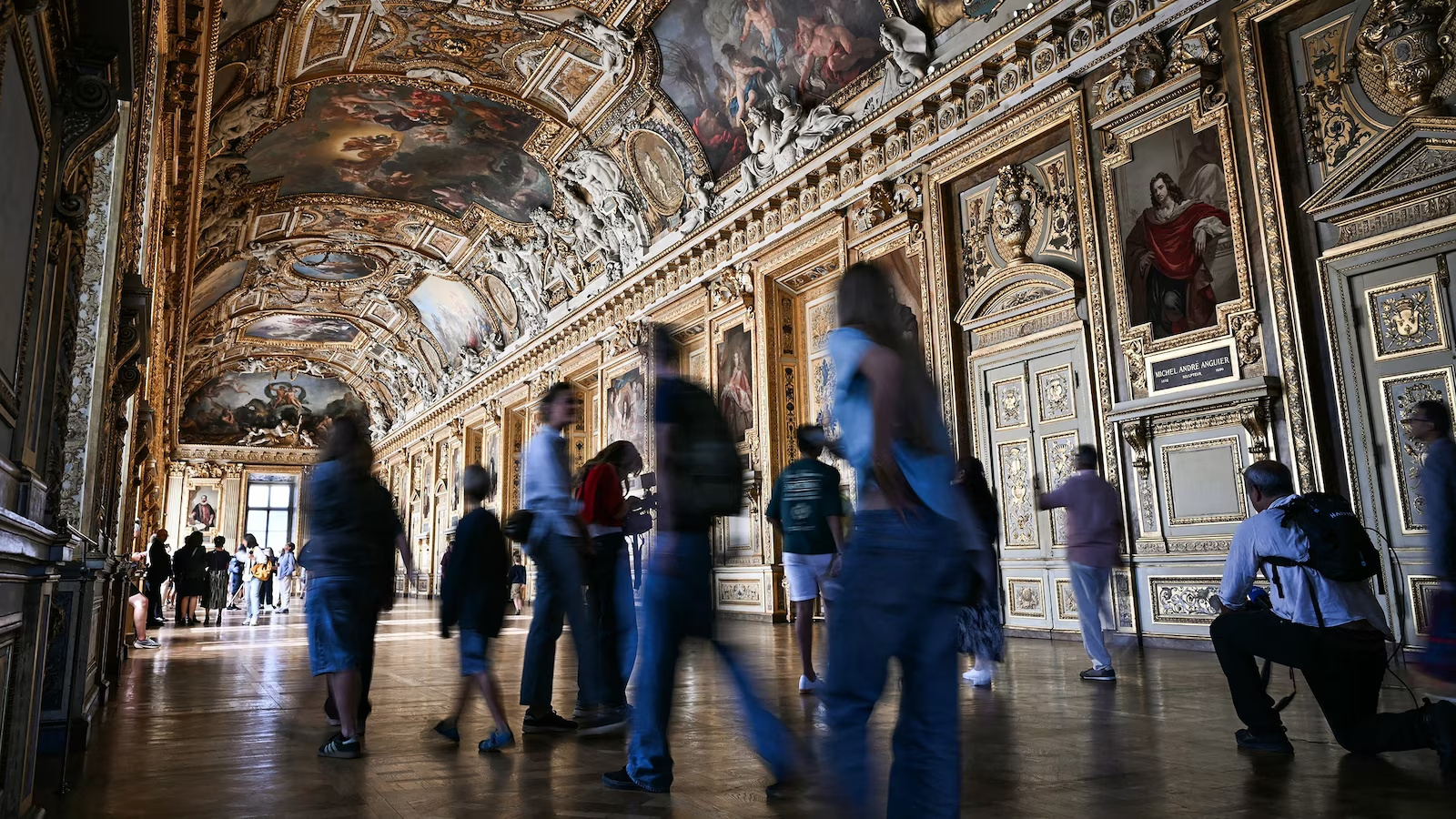
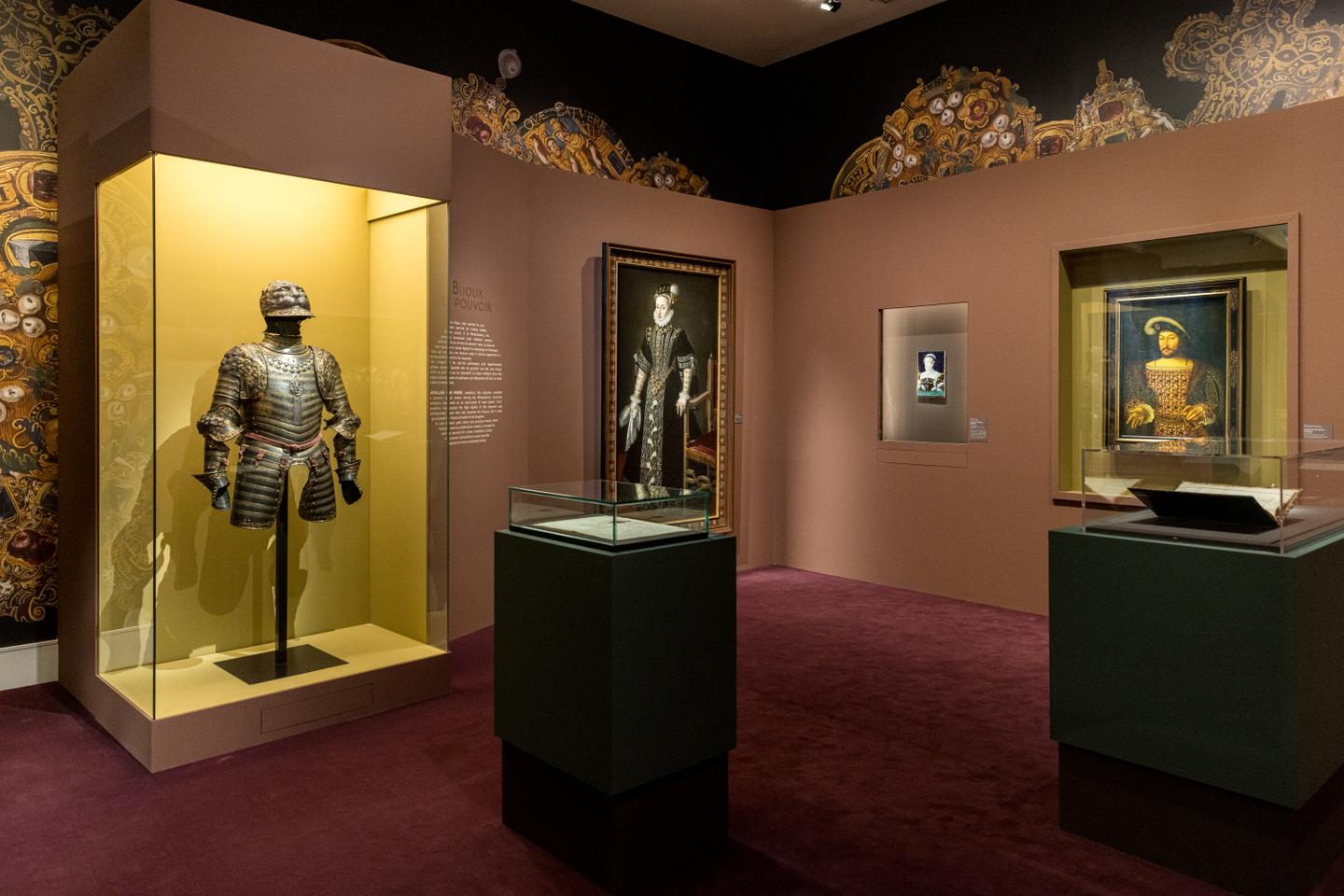
Many had stopped believing it would ever happen. Closed since 2011, the Bonnat-Helleu Museum finally reopened its doors to the public on Thursday, November 27, in Bayonne, southwestern France, following a preview event attended by Minister of Culture Rachida Dati. Completely restored – from Giandomenico Facchina's (1826-1903) mosaic-covered floors to the diamond-shaped glass roof of the central courtyard – the building now reveals, after 14 years, the most impressive collection of Old Master art in France after the Louvre. The acquisition of a neighboring school also allows for new exhibition spaces, office facilities and a brand-new cafeteria.
This long-awaited rebirth marks the end of a never-ending renovation, with costs spiraling to €35 million. The project had, in truth, been badly planned from the start. The initial €10 million budget set in 2016 did not account for furniture, educational resources or outside roadworks. A basement was also included in plans, without considering the flood risks from the nearby Adour River, just a few dozen meters away.
Frequent turnover in museum leadership – three directors in 15 years – only heightened the sense of instability among staff. A year before reopening, nothing had been prepared: not the educational tools, pricing policy or essential hiring, and least of all, a scientific and cultural project. This led to a loss of trust from the city, which funded €11 million of the renovation and had to take out a seven-year loan. "We had to convince everyone again that it was possible to get things done and redirect the museum's path," explained the current director, Barthélemy Etchegoyen Glama.