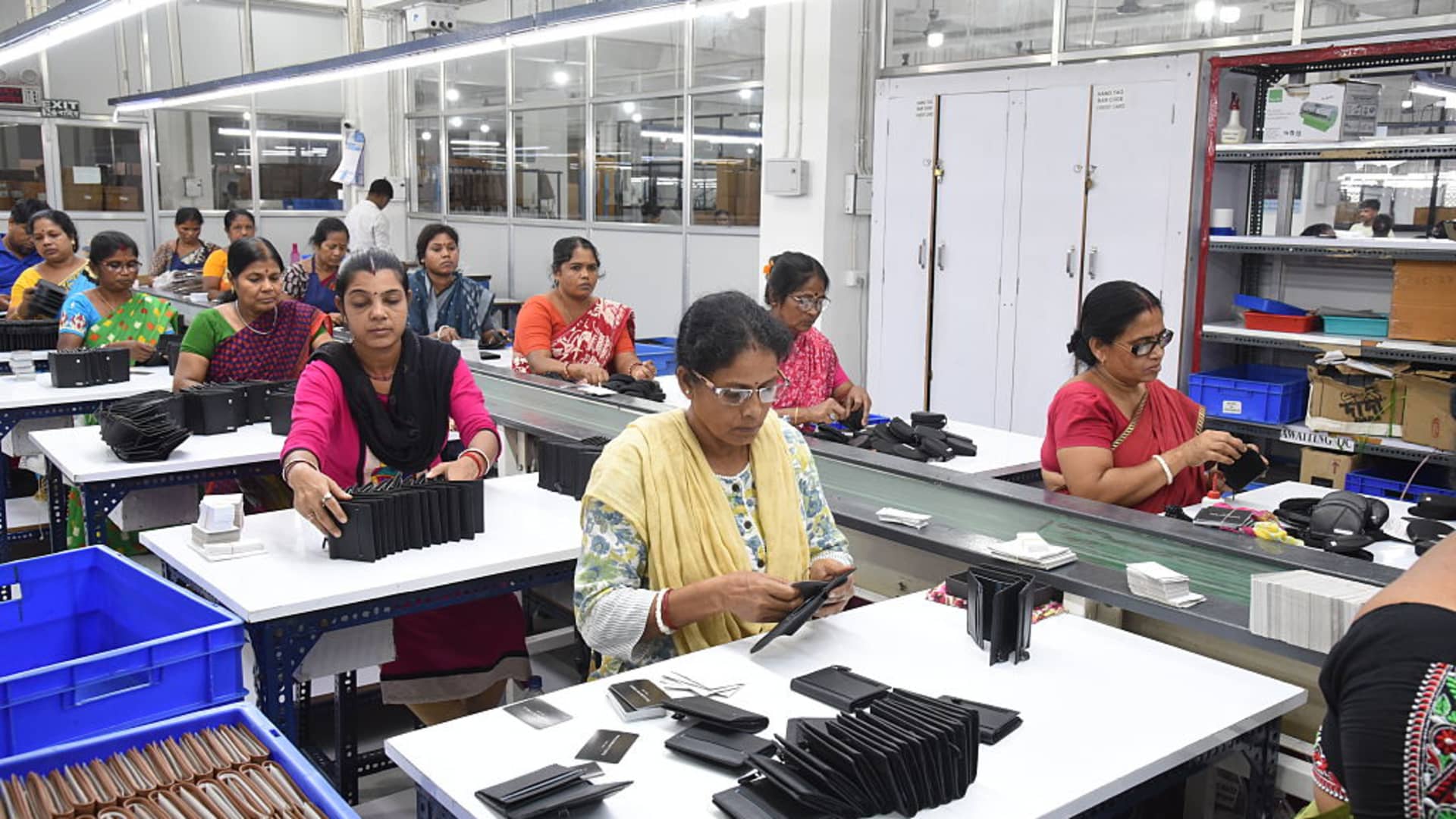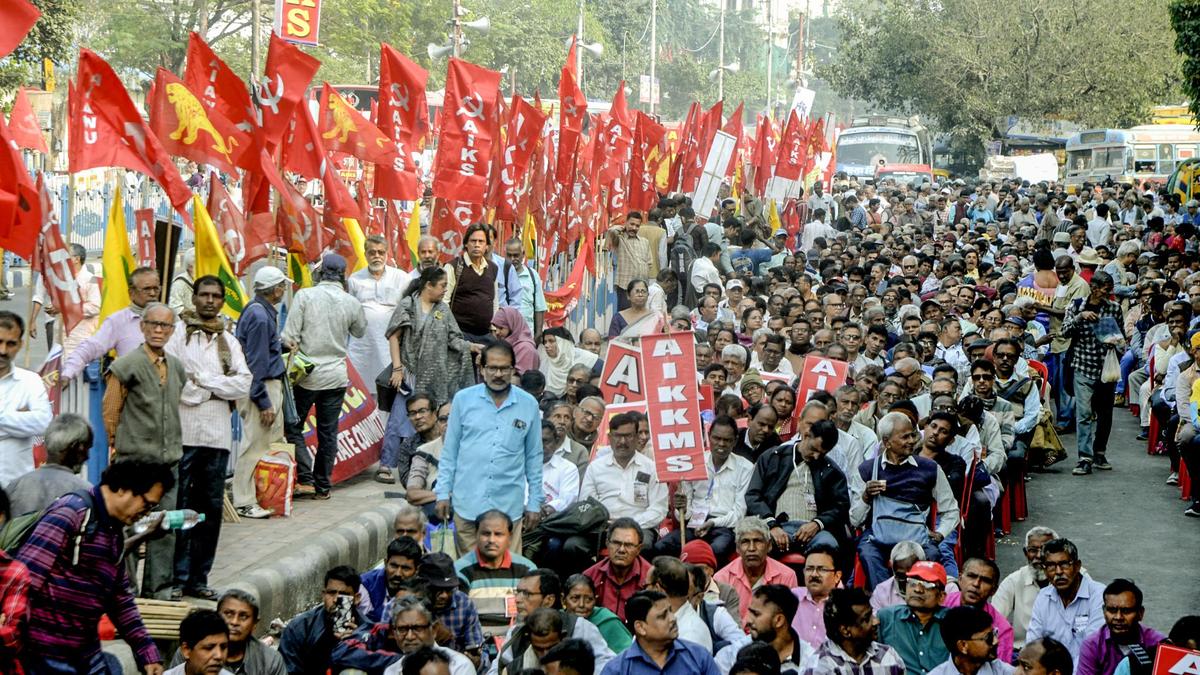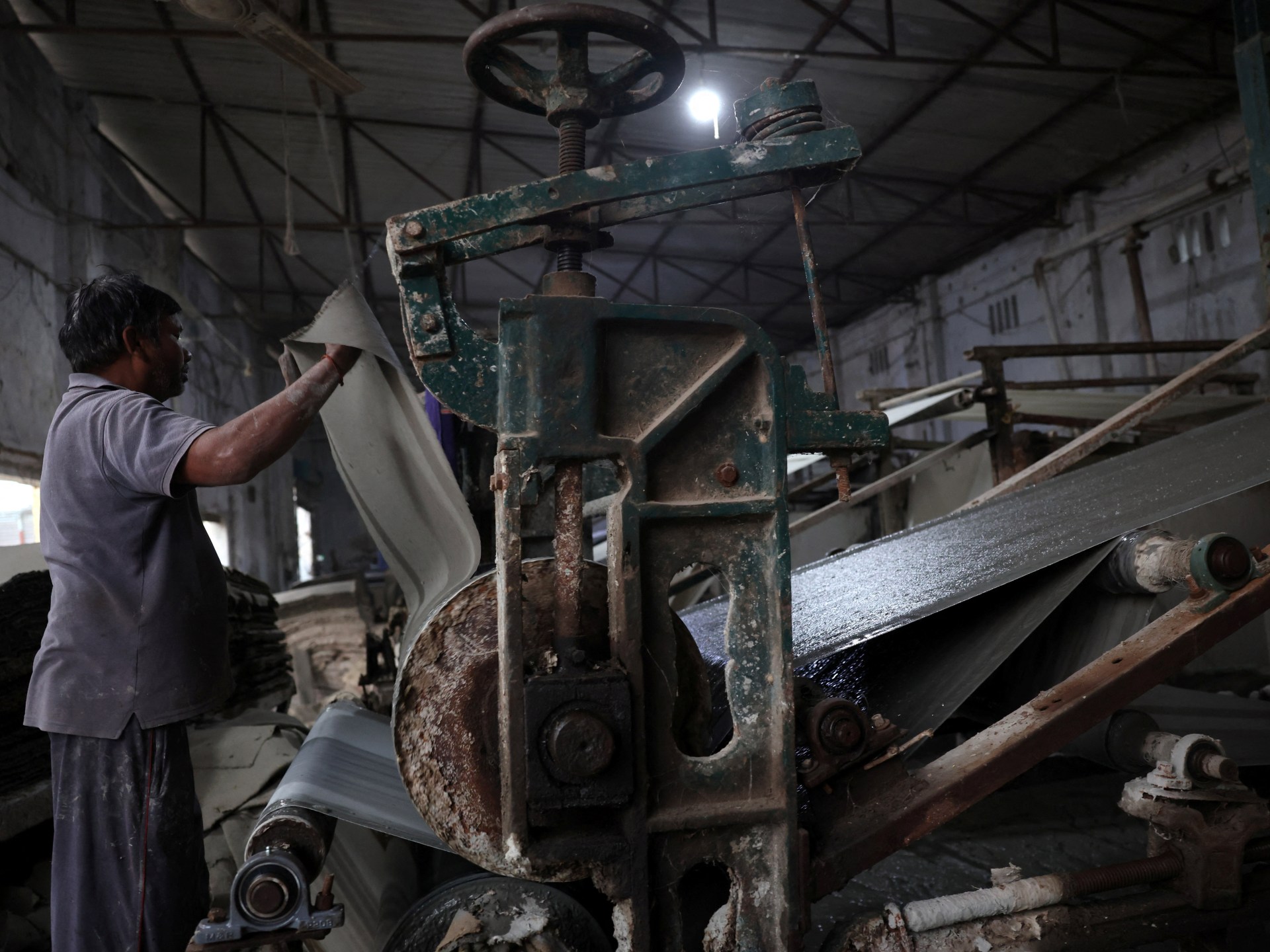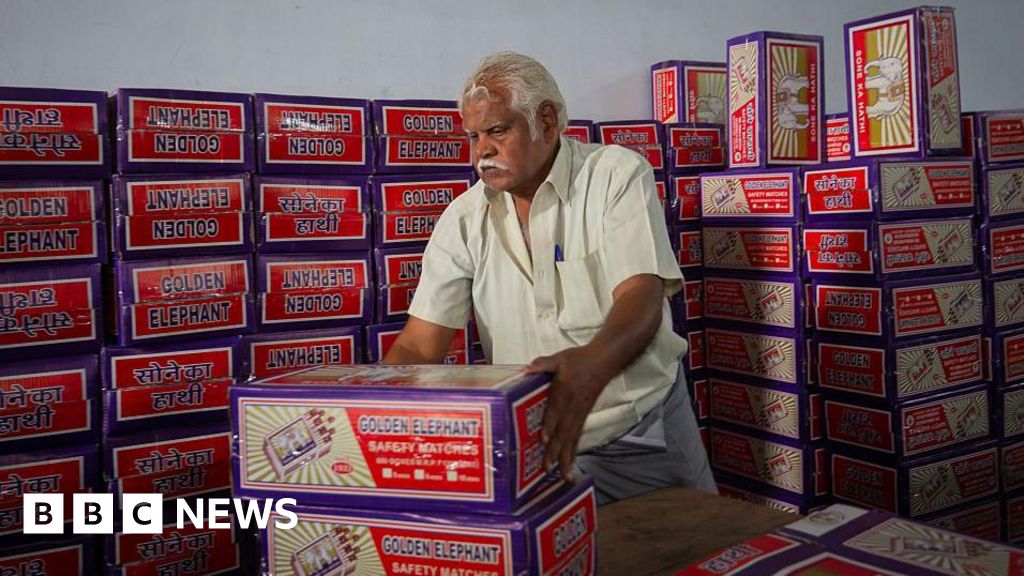
Last week, India announced it would implement what many say are its most far-reaching economic reforms in decades - compressing 29 federal laws that regulated labour into four simplified codes.
As a result, the number of rules that govern labour have now come down from a staggering 1,400 to around 350, while the number of forms companies had to fill in this regard have reduced from 180 to 73 - drastically lightening the regulatory burden on businesses.
The laws got a parliamentary nod in 2020 but are finally set to be uniformly implemented across the country after a five-year delay and much political wrangling.
Companies - which have long blamed restrictive labour practices for the atrophy in India's manufacturing sector - have given the changes a rousing welcome.
"This is part of a broader trend by the government to hasten economic reforms, especially in the wake of Trump's 50% tariffs, and an important signal that it is keen to ease doing business in India, attract more FDI [foreign direct investment] and integrate into GVCs [global value chains]," said Nomura, a broking house.