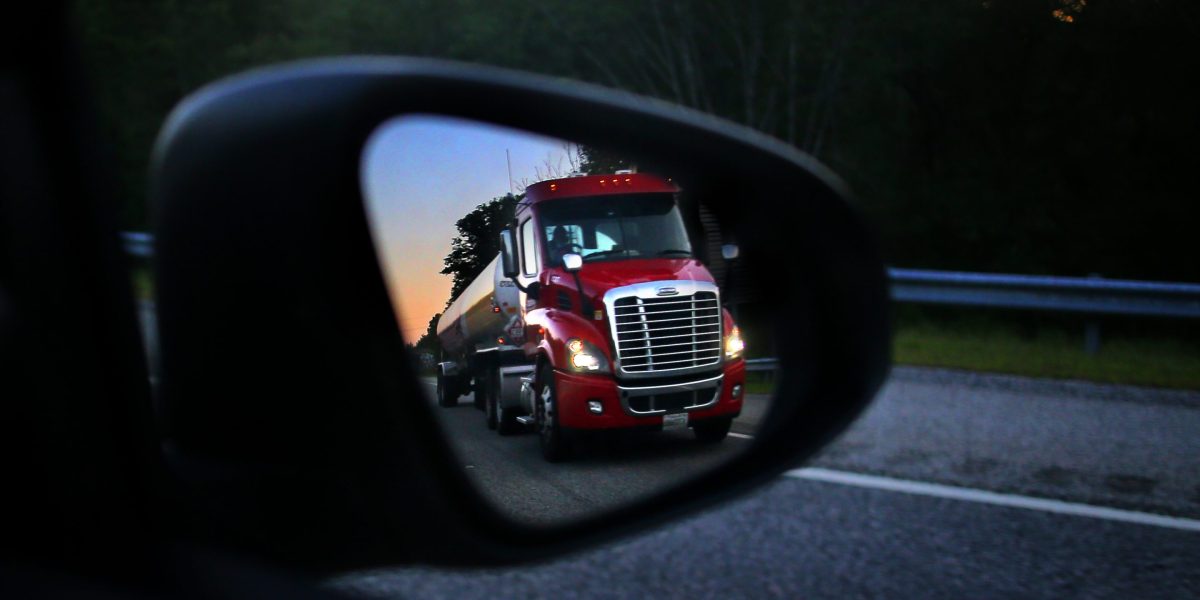
The United States moves nearly $18 trillion worth of goods annually, the vast majority of it via truck or rail. While a well-functioning freight transportation system is essential for the American economy, federal policy has created a massive economic distortion that costs taxpayers tens of billions of dollars annually while making our roads more dangerous, more congested, and contributing significantly to greenhouse gas emissions.
The problem stems from a fundamental inequality in how America funds freight transportation infrastructure. Railroads privately own and maintain virtually all of the U.S.’s 140,000 miles of track and invest over $23 billion annually—nearly $170,000 per track mile—to maintain it, which makes rail one of the most capital-intensive industries in the country.
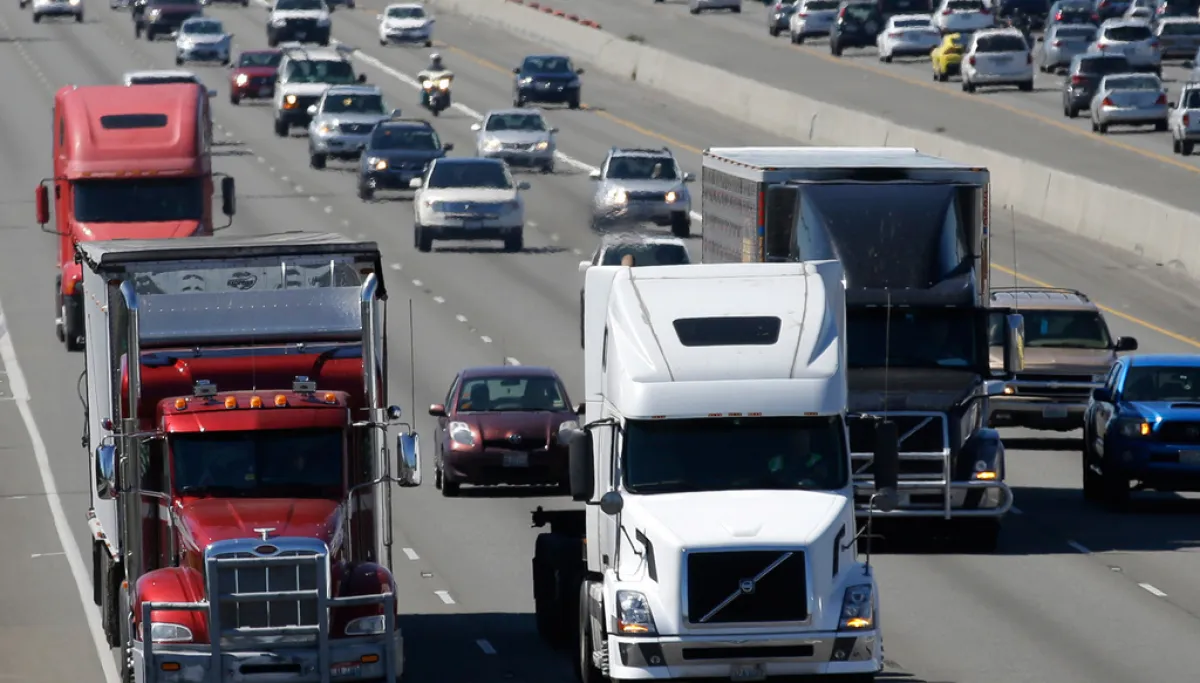
However, trucking operates on 4 million miles of public highways, and here’s where the economics become problematic.
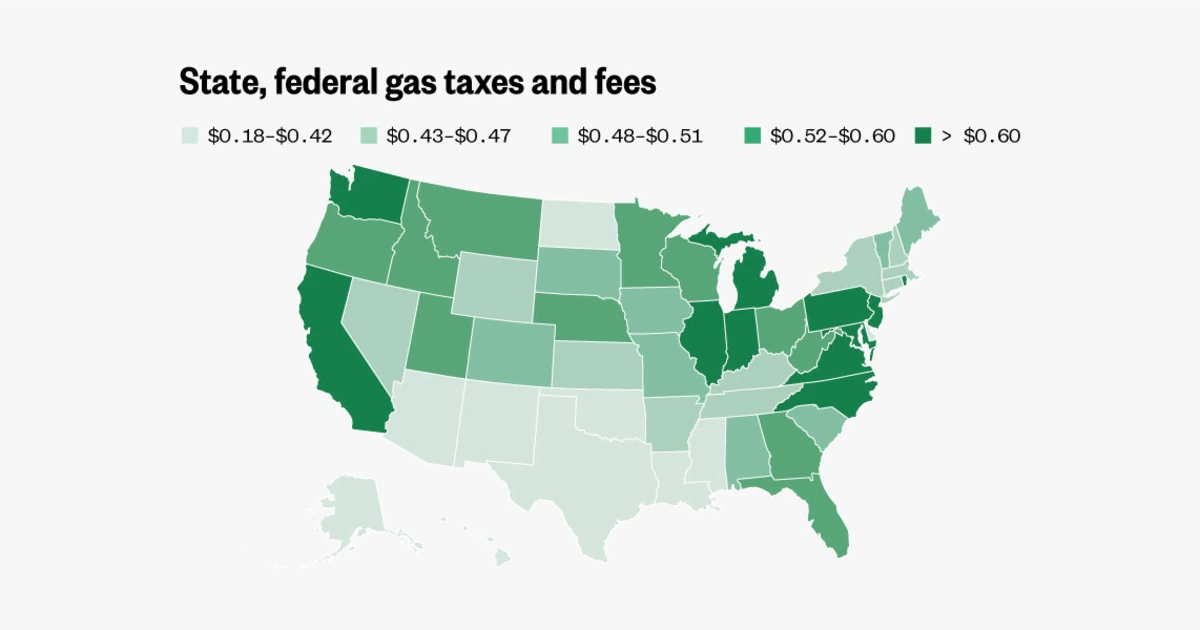
When the government created the interstate highway system, it intended for the gas and diesel fuel tax to pay for the cost of the damage trucks inflict on public roads, but these days the revenue it generates doesn’t come close to doing that. Hiking that tax — frozen at 22 cents per gallon since 1993 — is widely politically unpopular on both sides of the isle. Federal, state, and local governments spend $250 billion annually on roads, and truck freight accounts for 40% of all road maintenance costs.