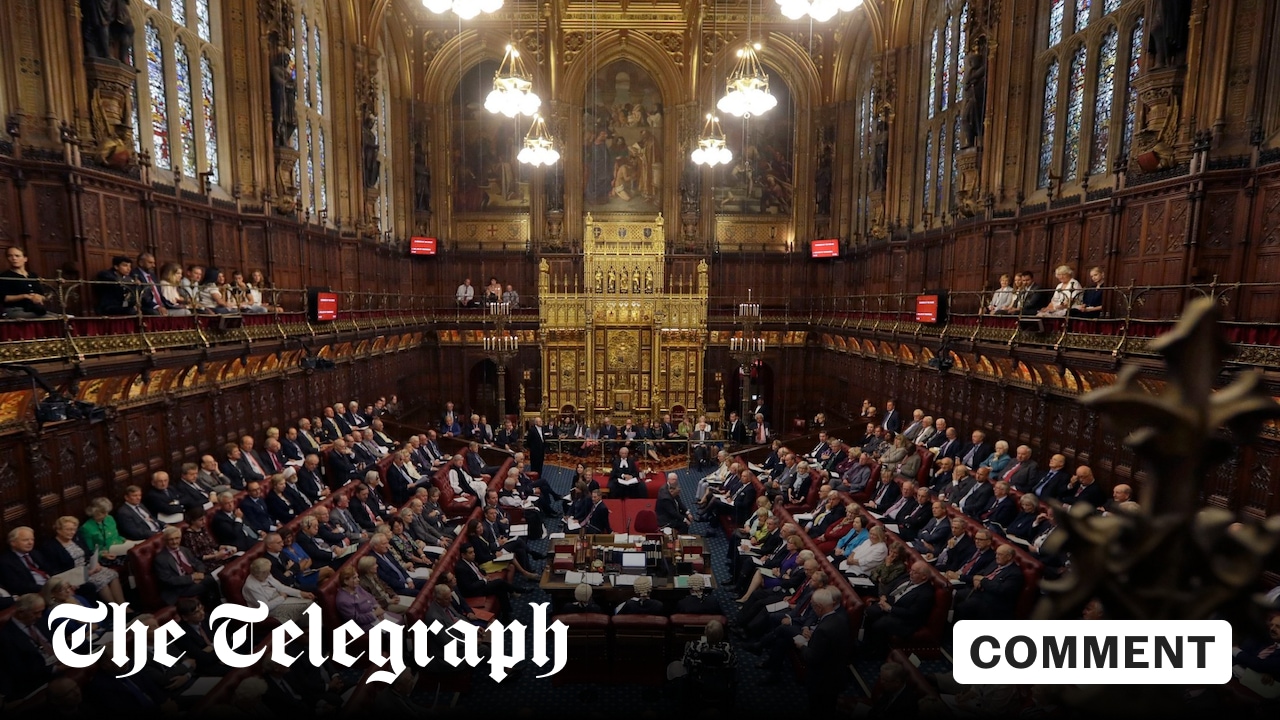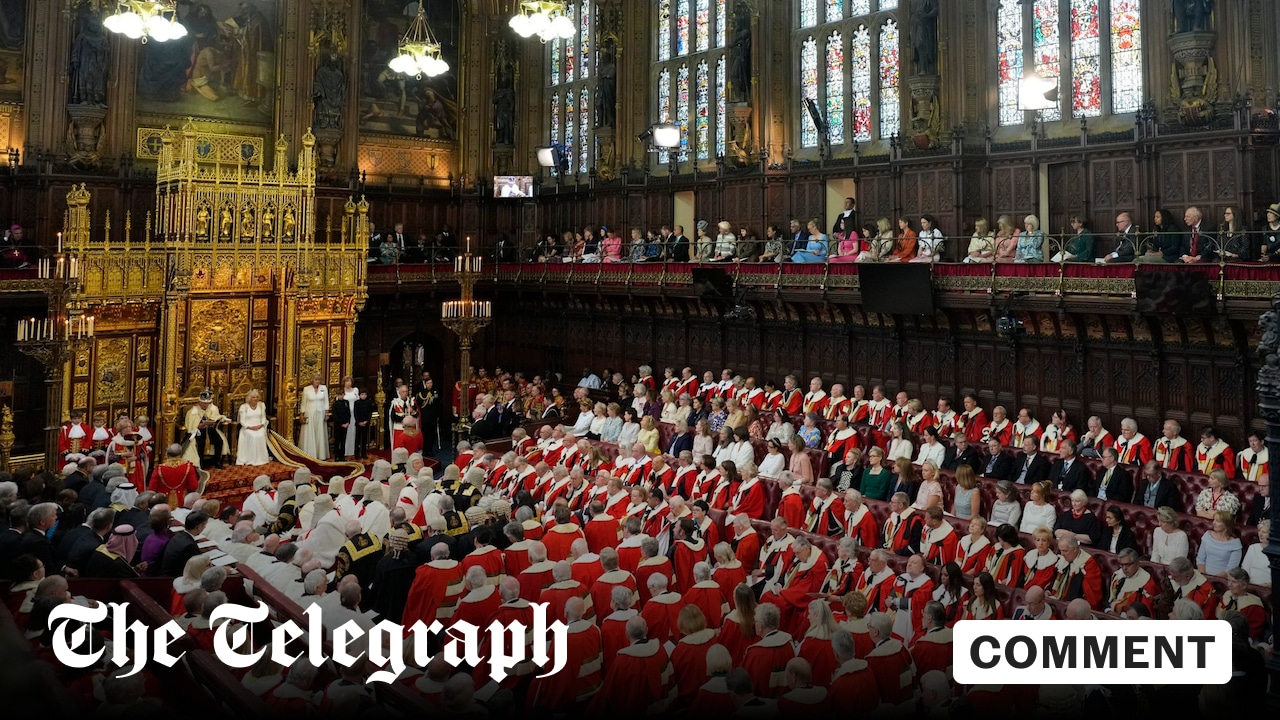
Although some appointees make valuable contributions, the absurd archaism of the second chamber of parliament has to be addressed
N
ot much about the House of Lords is defensible on principles of democratic representation. One plausible merit of an appointed chamber is that specialists might be recruited to apply non-political expertise in legislative scrutiny. Appointees are certainly not supposed to use their privileged position to advance the interests of paying clients.
After a Guardian investigation, two peers were disciplined this week for breaking lobbying rules. Lord Dannatt, a former head of the British army who served as a crossbencher, and Lord Evans of Watford, a businessman and Labour peer, have been suspended for four and five months respectively. Both men were recorded by undercover Guardian reporters posing as property developers, discussing ways in which their Westminster contacts might be useful to advance potential clients’ access.
The code of conduct for peers forbids the provision of parliamentary services for “payment or reward”. In a subsequent investigation, the Lords standards commissioner identified breaches by both men. Lord Dannatt had corresponded with ministers and officials about companies in which he held a financial interest. Lord Evans had sponsored events in parliament for a company owned by his son in which he had shares.