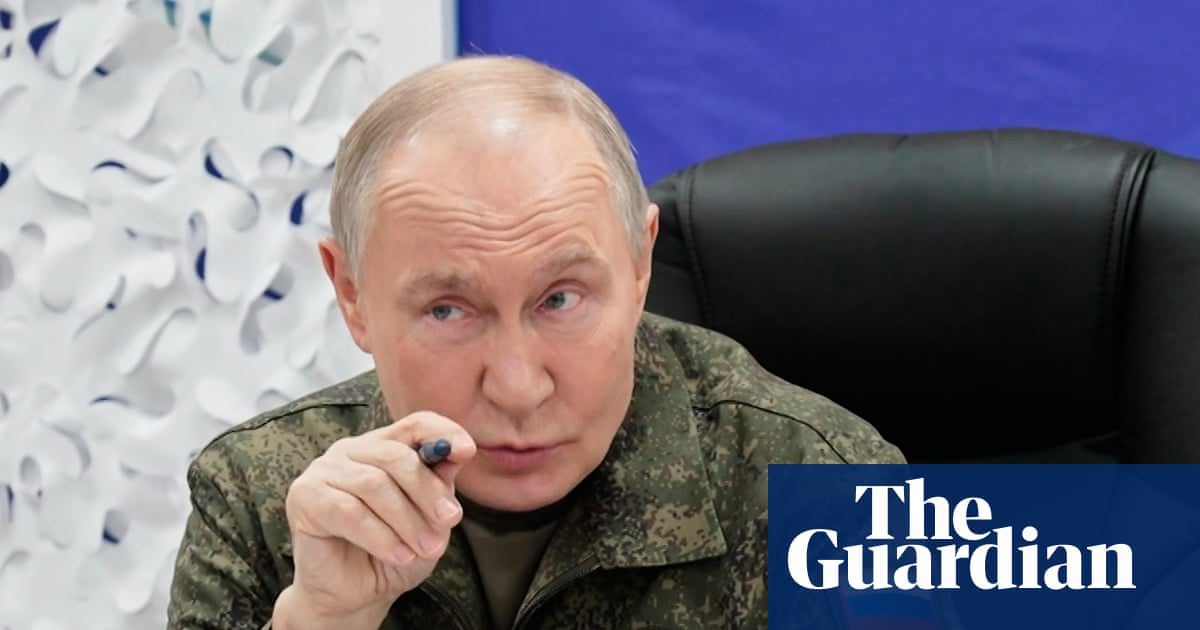
Sergey Utkin, an expert in international politics from Russia, went into exile in Europe in the summer of 2022. At the time, he was working for the Institute of World Economy and International Relations in Moscow, where he had openly opposed the war in Ukraine. He now works at the Institute for Peace Research and Security Policy at the University of Hamburg in Germany.
Since Vladimir Putin praised Trump's plan as a "basis for a definitive peaceful settlement" on November 21, the Russian president has remained silent. He has not commented on the outcome of the negotiations in Geneva. How do you explain this?
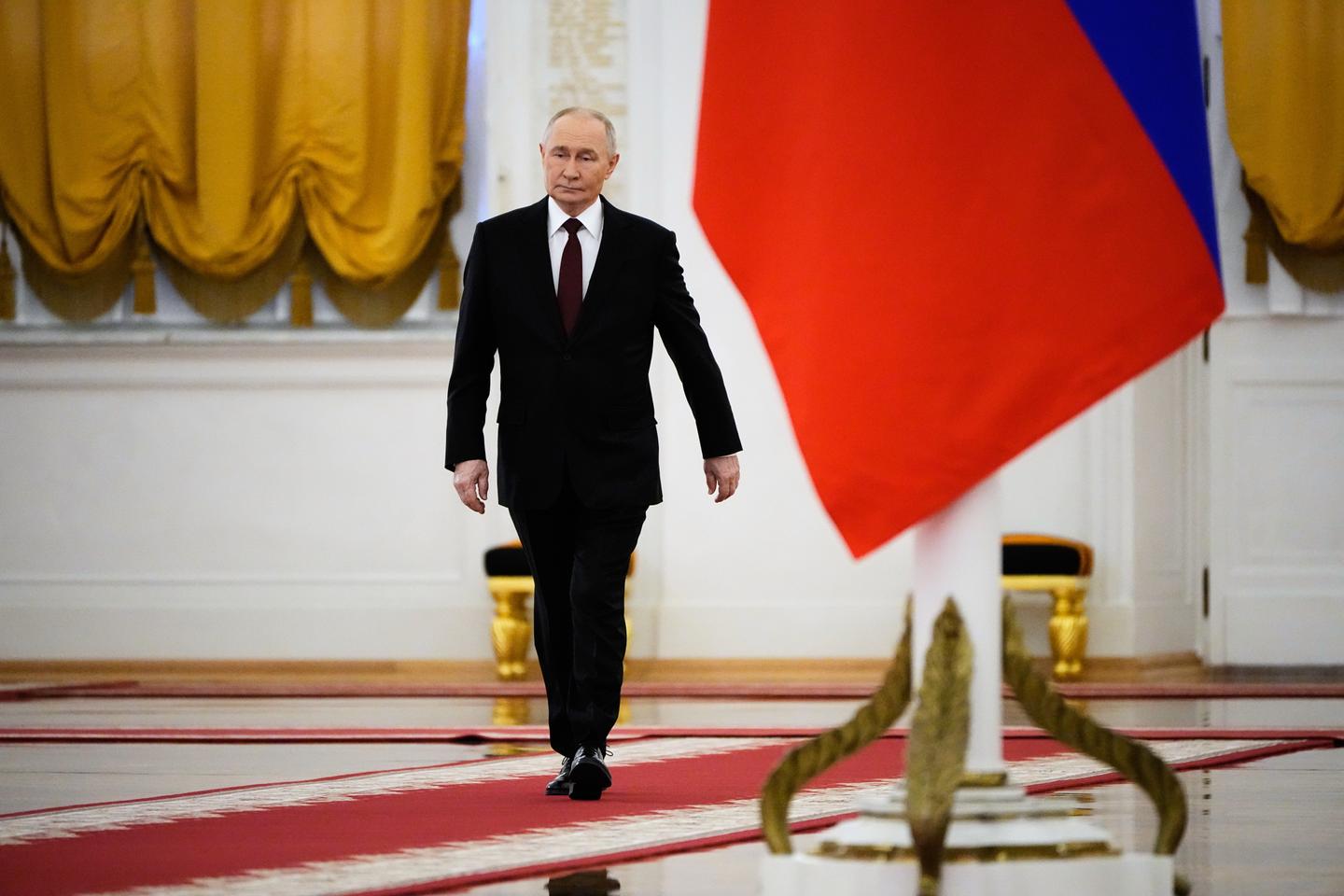
The Kremlin leader does not like to act under pressure. Above all, he now wants to leave the ball in the Ukrainians' and Europeans' court: It is up to them to make the talks succeed or fail. If things fall apart, Moscow will be able to say it is their fault. In the meantime, as usual, Putin is betting on various scenarios and knows that time is on his side. In any case, Russia will not be able to accept a plan that, implicitly, does not recognize its victory.
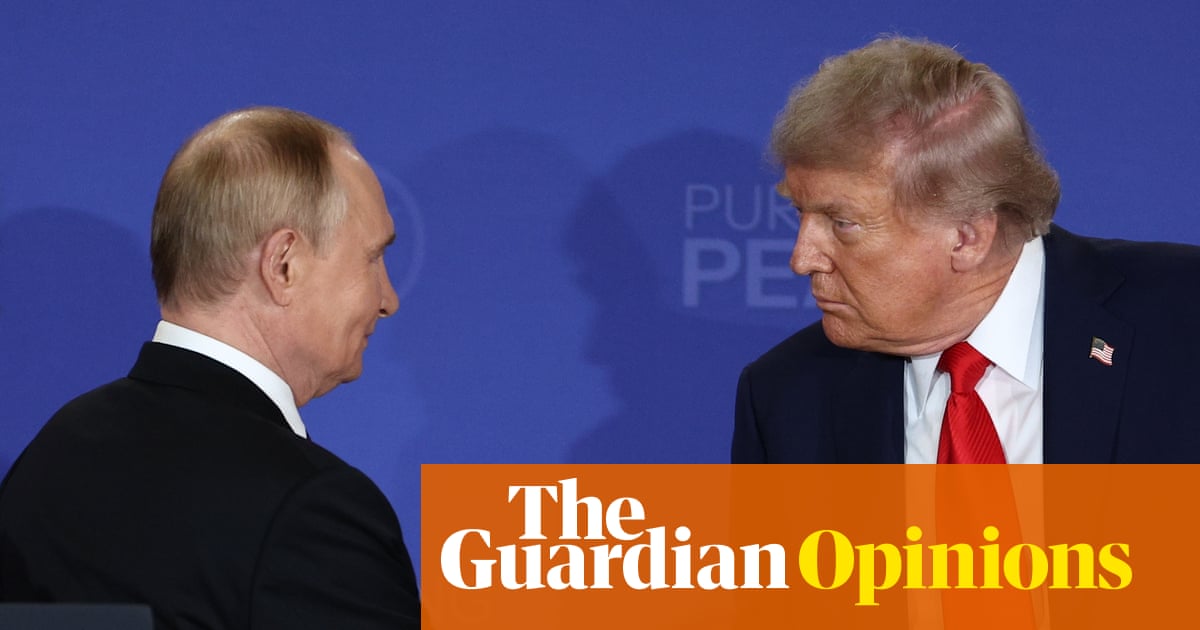
Mr. Putin feels more confident than he did three months ago, during the August 15 summit in Alaska with Donald Trump. Since then, Ukraine's position has weakened, both militarily, with the Russian troops' advance on the ground, and politically, with corruption scandals in Kyiv. The Kremlin is taking advantage of this moment. It wants a ceasefire only once the peace agreement comes into effect, with all the provisions implemented, to avoid endless negotiations after a temporary halt to fighting. In the meantime, even as he supports the talks today, Mr. Putin continues to apply cynical military pressure on Kyiv to warn the West that if he does not get political concessions, he can continue the war for many more years.