When the great artist saw a shocking play by Martin McDonagh about the torture of children, she asked him for more dark stories. As the vivid, extraordinary works they triggered go on show, the playwright looks back
I
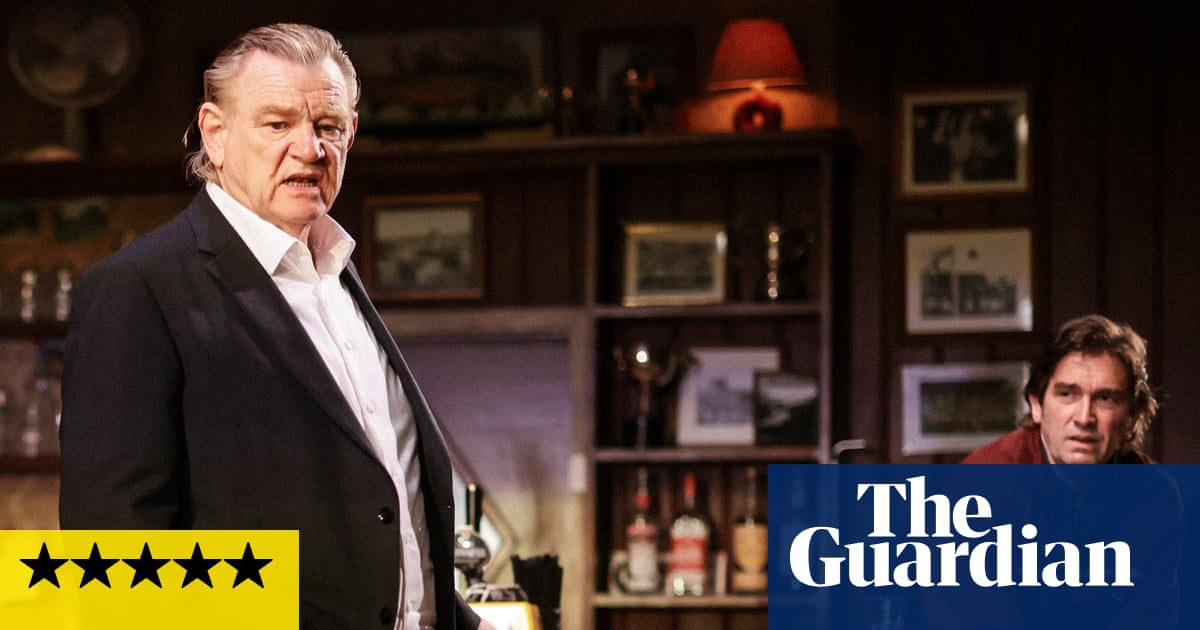
n the summer of 2004, Paula Rego wrote to Martin McDonagh asking for permission to name some pictures after his play The Pillowman. His shocking investigation into the relationship between art and life featured two brothers under interrogation for the torture and murder of children. One is a writer whose stories are summarised by an investigator as: “A hundred and one ways to skewer a fucking five-year-old.”
Rego, then a 69-year-old grandmother as well as a world famous artist, had been taken to see the play at the National Theatre in London by one of her daughters, who knew it would resonate with her. “The brutality and beauty and humour rang very true and like something I had known all my life,” she wrote to McDonagh. “I am actually Portuguese, although I have lived in London for 50 years, and our stories are brusque and cruel like yours.”
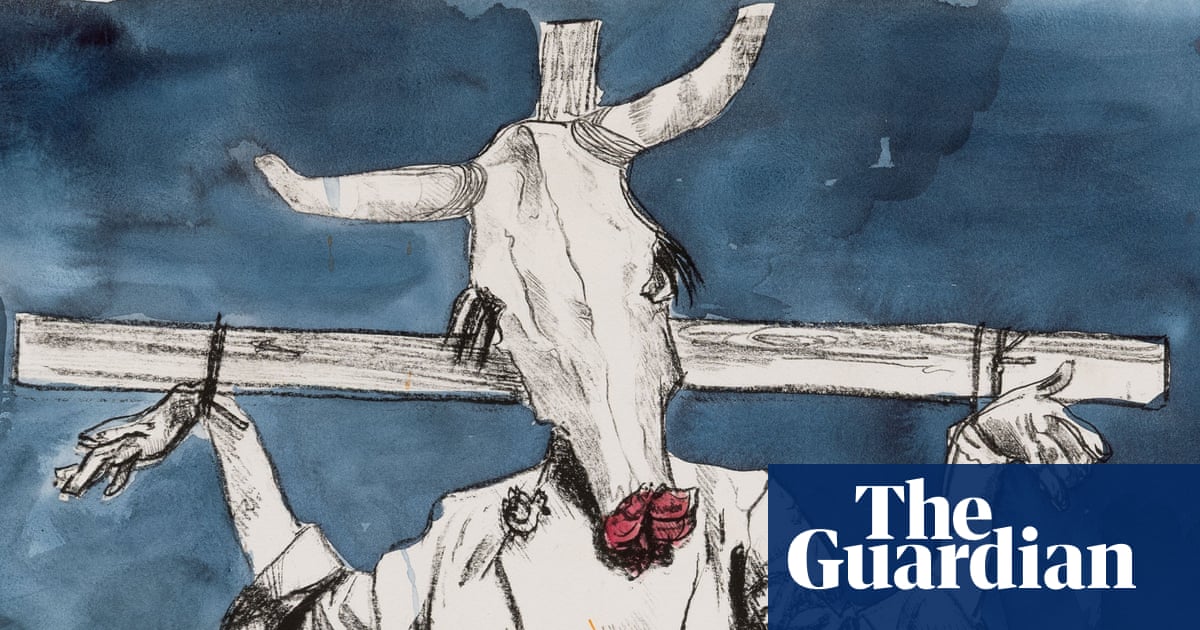
The Pillowman is set in a totalitarian state in which people’s imagination is ruthlessly policed. When Rego was growing up, Portugal was under the dictatorship of António de Oliveira Salazar, who controlled a deeply conservative society for more than three decades with the help of his secret police. Her identification with the play was so strong that she had gone so far as to make her own “pillowman”, a life-size doll made of cushions stuffed into old tights, as the model for the central panel of a triptych that was to be exhibited at Tate Britain that autumn.