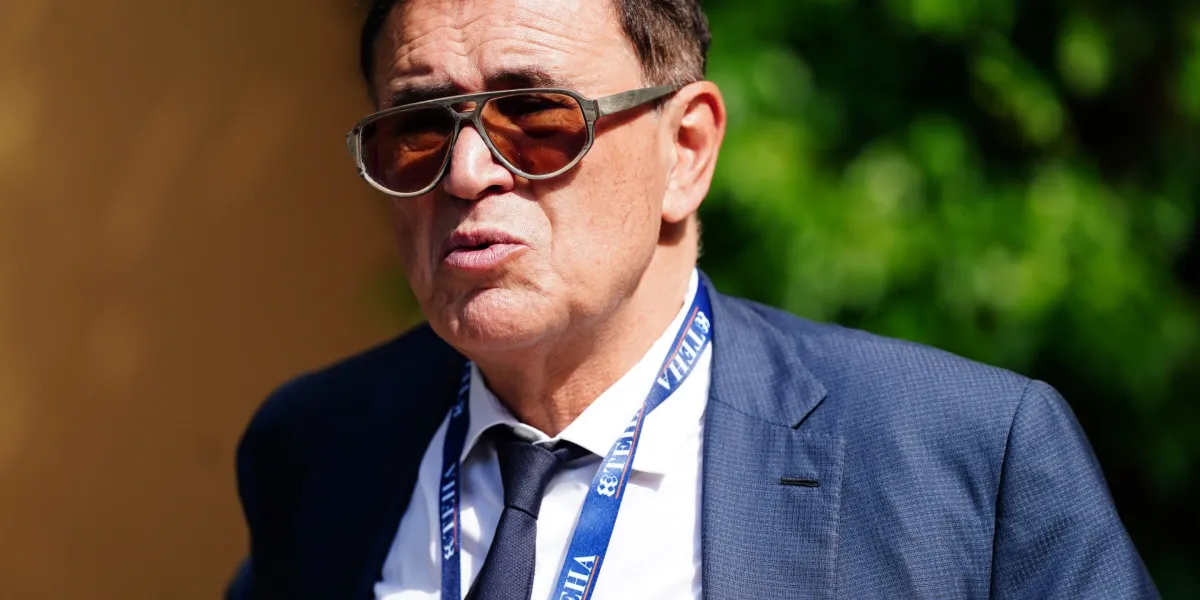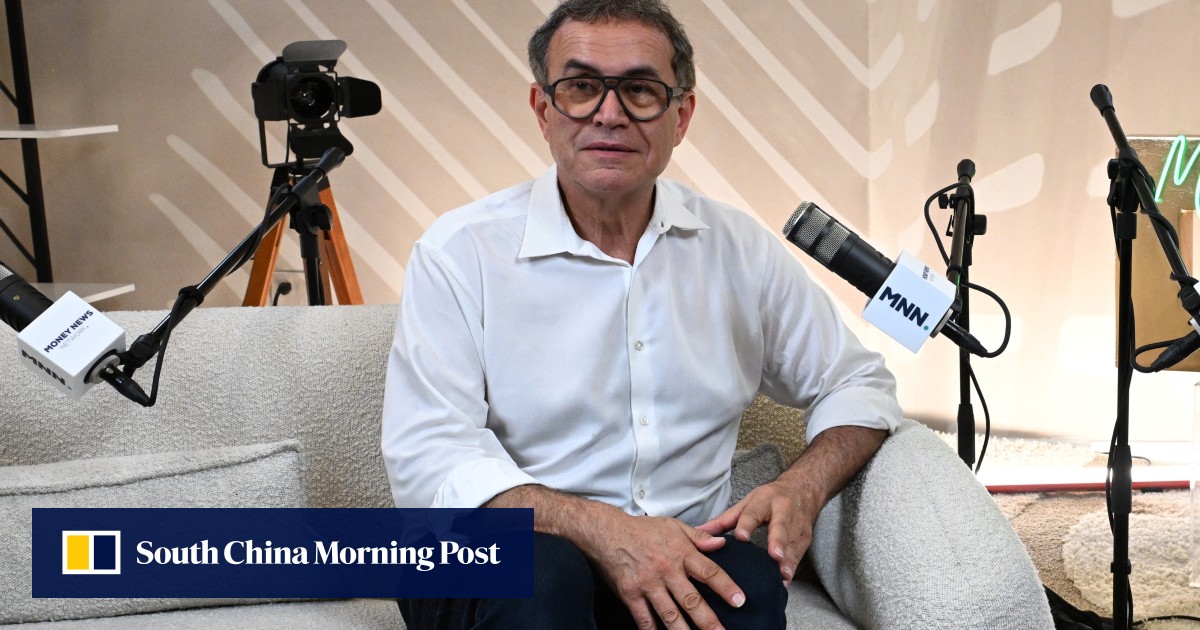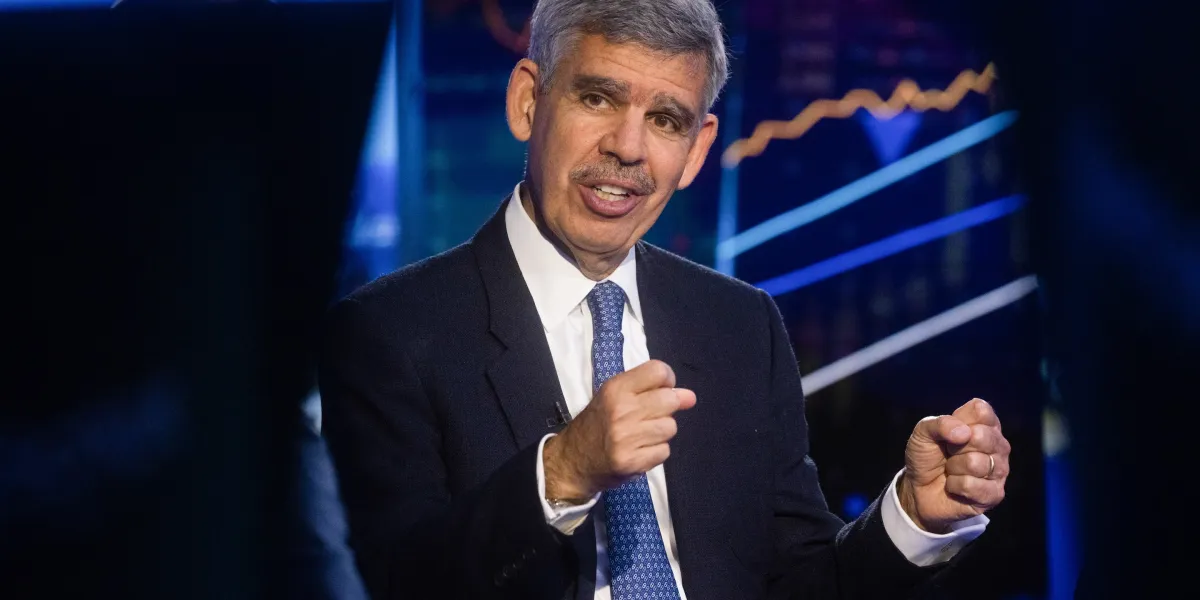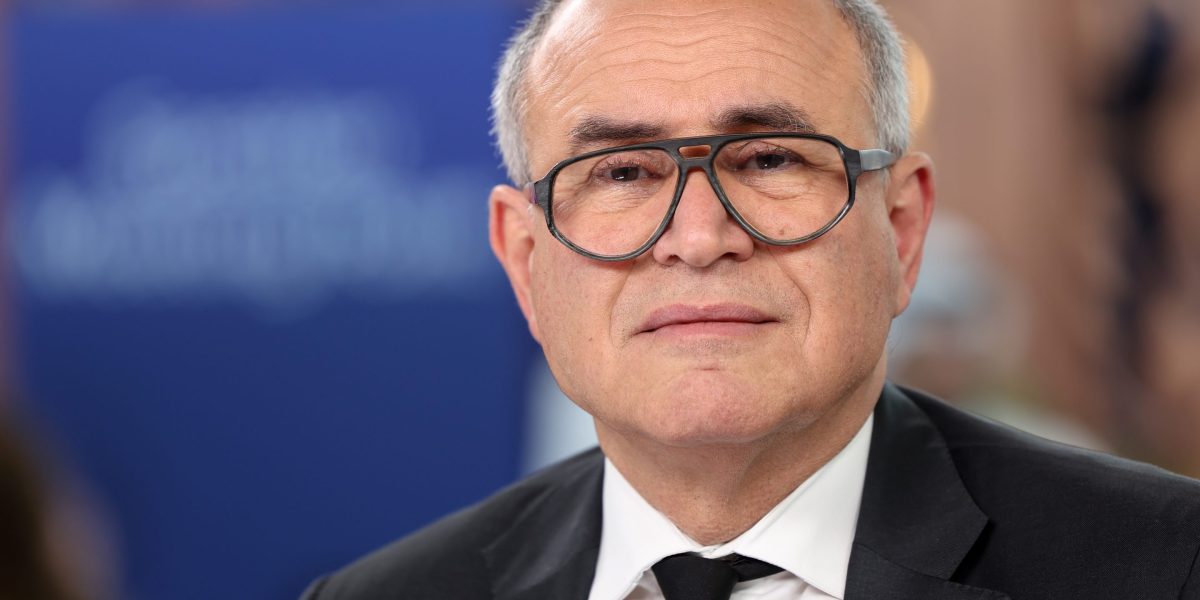
For nearly two decades, esteemed economist Nouriel Roubini has worn the nickname “Dr. Doom” with honor. He earned it in the mid-2000s for warning of a housing crash that Wall Street dismissed, until he was proven catastrophically right.
Since then, the NYU Stern School of Business professor emeritus has become one of the most recognizable bears in global finance, regularly sounding alarms about debt spirals, geopolitical shocks, pandemics, AI disruptions, and what he once called “the mother of all crises.”
So it’s perhaps surprising, even disorienting, that in the midst of investors teetering on the edge of a bear market, Roubini is breaking with his cohort—including fellow 2008-financial-crisis-prophet Michael Burry—to dismiss their pessimism about the U.S. economy as misplaced.
In a new essay for the Financial Times, the economist argues that the conventional view—that America’s “Liberation Day” tariffs would trigger stagflation, tank the stock market, kneecap the dollar, and end U.S. exceptionalism—is simply wrong. Instead, he sees something close to the opposite: a short period of cooling growth, followed by a powerful rebound led by technology and capital spending that keeps the U.S. firmly in the top spot.