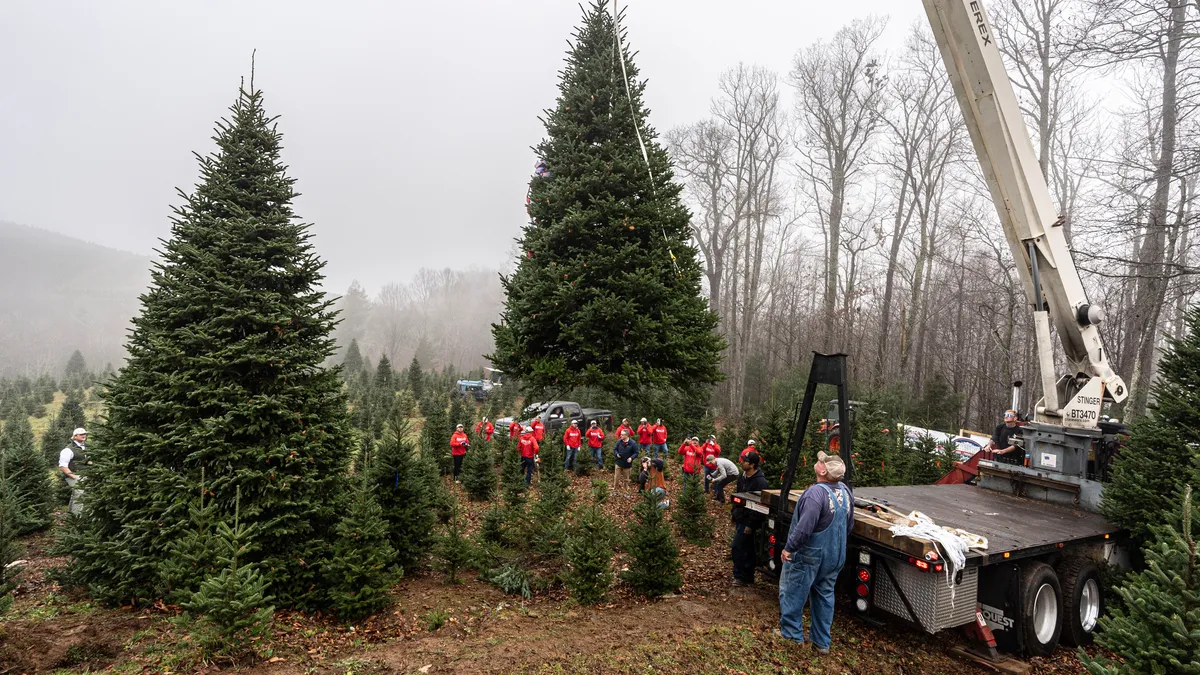
Christmas trees are facing the 'perfect storm of mass mortality.' Enter an effort to breed 'elite' Christmas trees.Show Caption
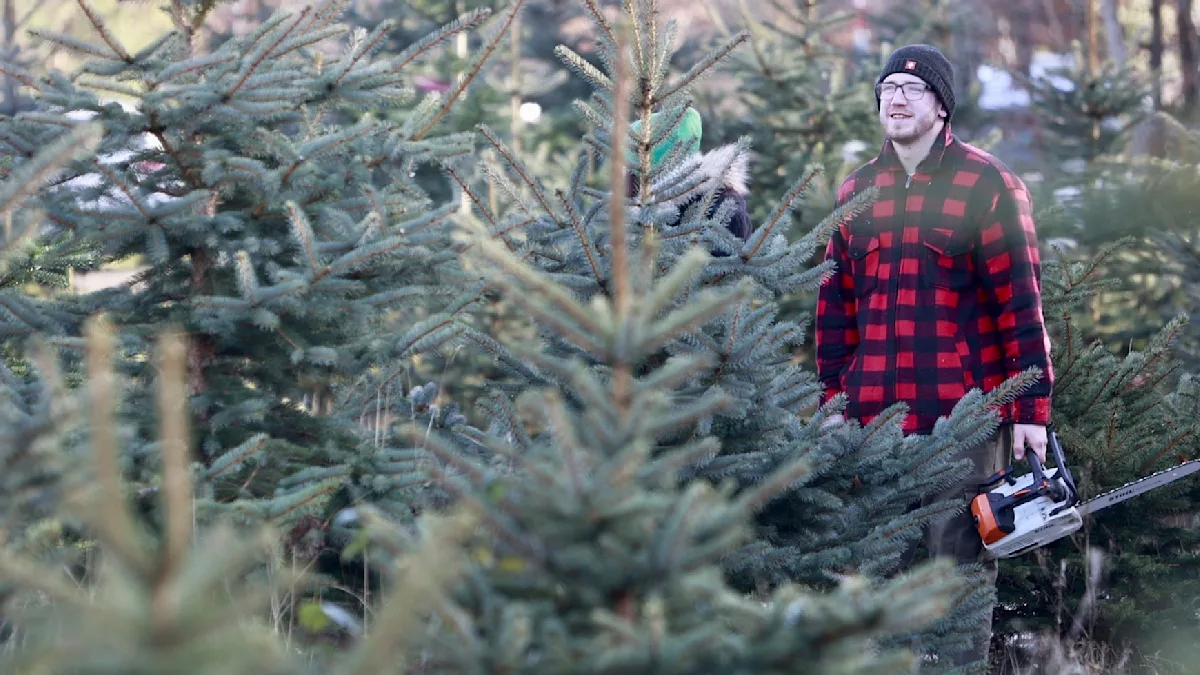
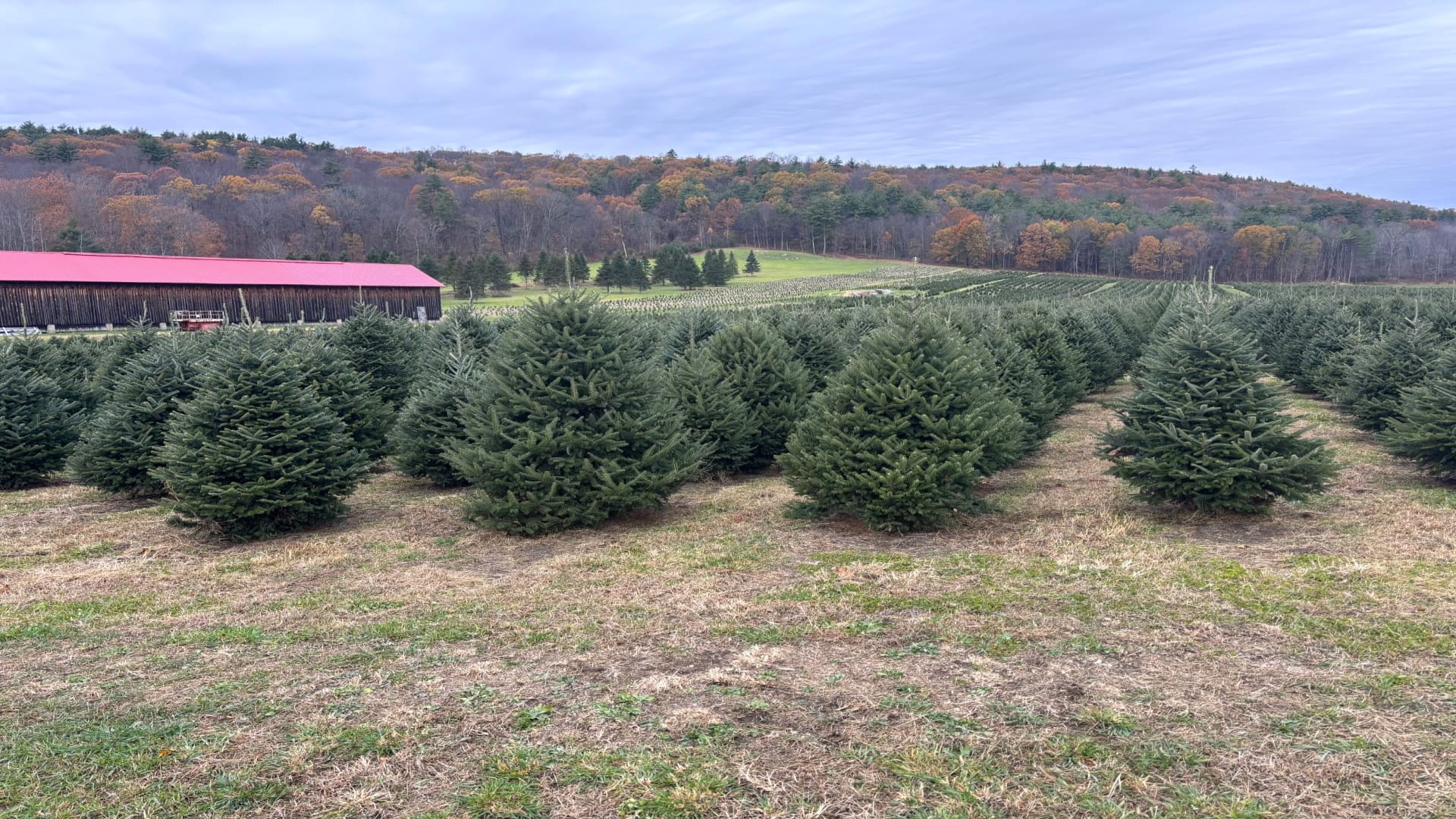
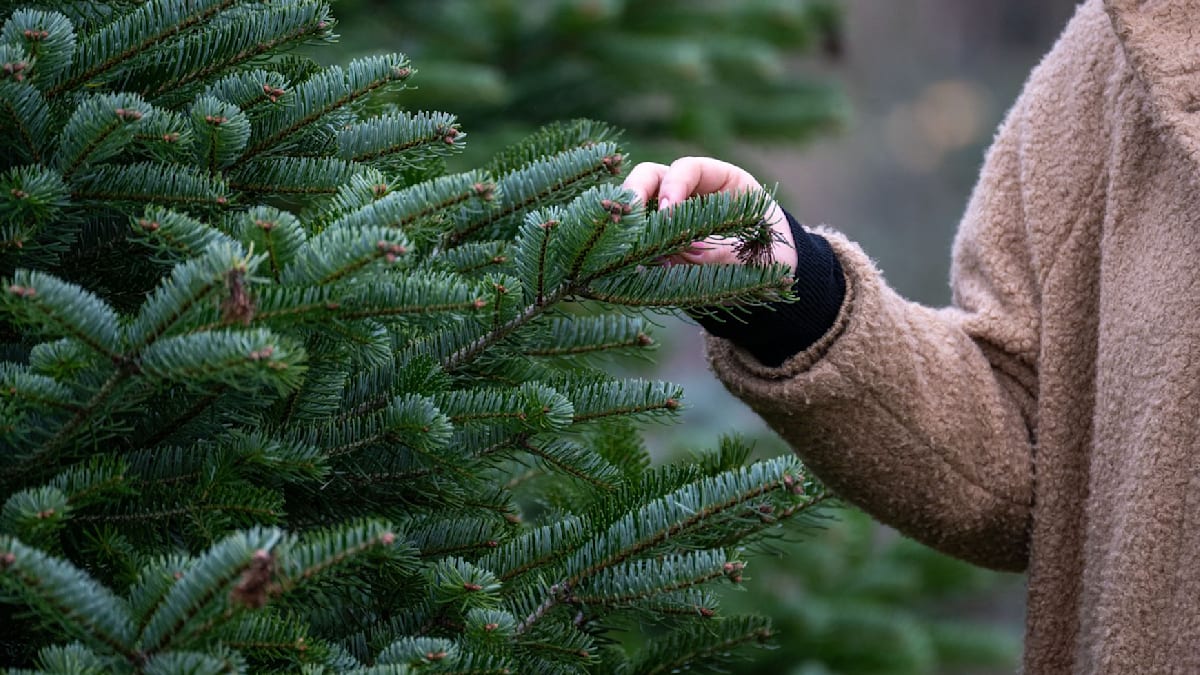
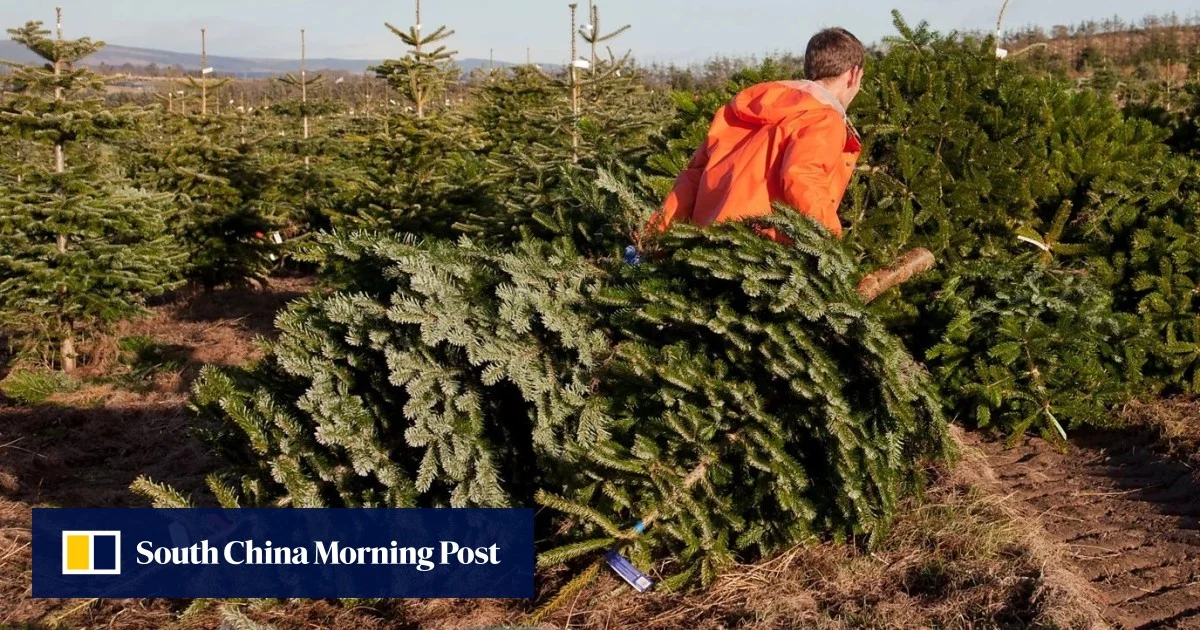
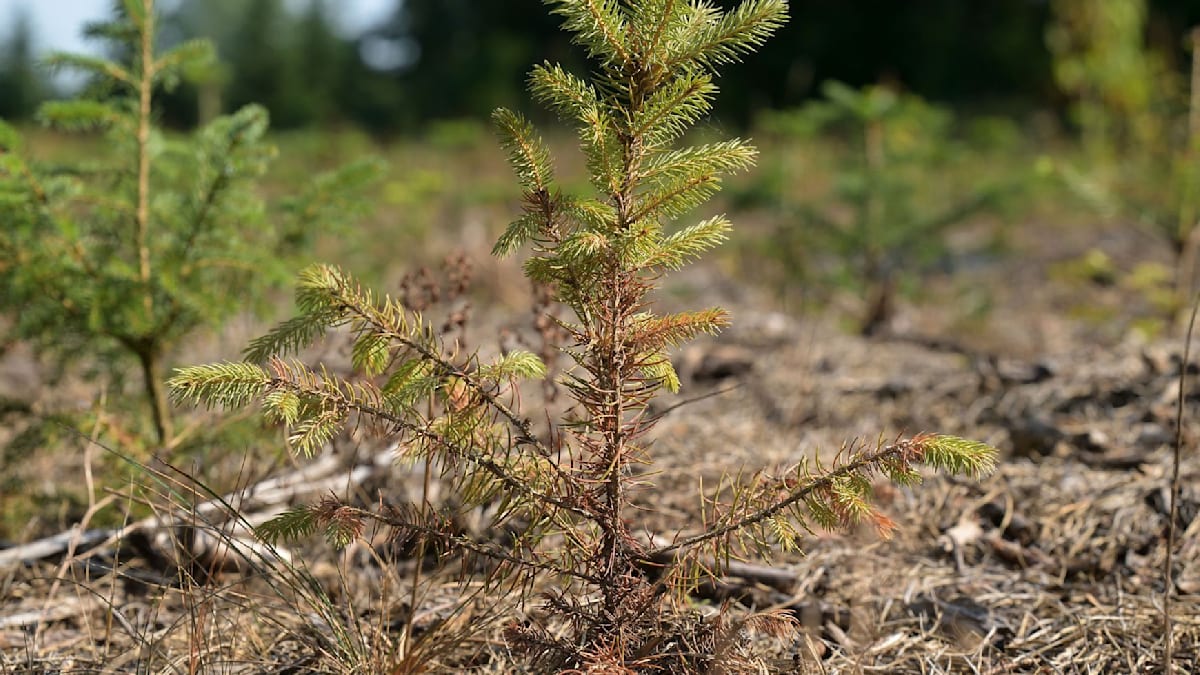
Steve Ottman was born to sell Christmas trees.Ottman, 73, said his family has been growing the holiday staple in Wisconsin since the Great Depression. But now his 50-acre Christmas tree farm just outside Belleville is in trouble.Drought struck parts of the state earlier in 2025, killing nearly half of his young trees. "We're not big enough that we can afford to irrigate, so we rely on the good Lord to water our trees for us," Ottman said.In the weeks leading up to Christmas, he'll still be able to harvest and sell his older trees, but in the coming years, "we'll definitely be short," Ottman said.Christmas tree farmers like Ottman around the country are dealing with drought, disease and damage from severe weather events – threats that are being exacerbated by climate change. But help is on the way: Researchers in North Carolina are working to produce genetically superior Christmas trees that will not only withstand pests and disease but also grow faster, be perfectly shaped and drop fewer needles around the house."There's always room for improvement," said Justin Whitehill, director of the Christmas Tree Genetics Program at North Carolina State University.Christmas trees face 'perfect storm of mass mortality'Drought was also a problem this year for Christmas tree growers in Michigan, one of the nation's top Christmas-tree-producing states, said Bill Lindberg, an educator in Michigan State University Extension who works with farmers statewide.Lindberg said his colleagues are working to develop strategies farmers can use when planting young trees, like mulching and irrigation, to protect them from the erratic precipitation patterns they expect to see more of in the future.Researchers in Michigan, which will provide the White House Christmas tree in 2025, also were recently awarded a grant to study armillaria and phytophthora root rot, which Lindberg said are "significant challenges that growers have faced and will continue to face."Growers in North Carolina, another leading producer of Christmas trees, have also been fighting phytophthora root rot, a fungus that eats away at a tree's root system, Whitehill said. He said increasingly shorter, warmer winters and worsening extreme weather events like Hurricane Helene are stressing the state's Fraser firs, making them even more susceptible to pests and disease."We're seeing more and more drought and more harsh conditions, and having the roots degraded of our trees by this pathogen is sort of creating a perfect storm of mass mortality events across the U.S. for some Christmas tree species."Whitehill said that while many Christmas tree growers were personally affected by Helene, the effect on the crop overall was "really minimal" because the trees grow at such high elevations they're protected from floodwaters. The storm unleashed devastating floods that washed away homes and killed at least 250 people across the region.The Cartner family farm, which provided the White House Christmas tree in 2024, lost about 7,000 trees in the storm, a fraction of its total stock. Jerry Moody, extension director for North Carolina's Avery County, told USA TODAY five farmers in the area lost a collective $30 million in crops.Landslides and other storm-related events caused about $125 million in losses of ornamental nurseries and Christmas trees, including the money and time spent growing those trees, according to a report from the National Centers for Environmental Information.Perfecting the 'Cadillac of Christmas trees'To combat such threats, Whitehill and his team are working to create the perfect Fraser fir, a variety already known as the "Cadillac of Christmas trees." Over more than four decades, researchers have been selectively breeding the best of these firs to produce "elite" offspring, said Whitehill, director of the Christmas Tree Genetics Program.The team harvested cones from its elite seed orchard for the first time in 2025 and hopes to distribute 500 pounds of seeds in the spring, Whitehill said. Though the genetically improved trees will grow faster than their standard counterparts, he said, it'll still take about a decade before they make it to consumers' living rooms.Unlike traditional Christmas trees, which must be pruned to have the perfect silhouette, the elite trees will naturally have the conical shape customers expect, which will help growers reduce labor costs, Whitehill said. And while some species of trees drop 15% to 30% of their needles over the course of the holiday season, the elite trees are expected to shed less than 2% of their needles.Whitehill said researchers also are using more advanced techniques and gene-editing technology to create trees that are resistant to pests and disease, a problem that can't be addressed through traditional breeding. To fight phytophthora root rot, for example, researchers are "grafting" Fraser firs with an Asian fir species that has natural immunity, Whitehill said. He said the process essentially involves gluing the tops of Fraser firs to the root system of the resistant species."We hope that's going to be sort of a short-term solution," Whitehill said. "The long-term solution to this problem we've identified is we're working to identify the genes from that resistant Asian fir species, and we're trying to move those genes from the Asian species into Fraser fir."Making Christmas trees more resilient is especially important in the face of long-term changes to the environment. Though the North Carolina mountains are still "the perfect spot" for growing Fraser fir, Whitehill said, changes in the amount of precipitation have already caused growers in the southern part of the state to close up shop over the years."It is a concern if we are unable to develop some of these solutions in the near future, in the next I would say 20 years, that it's possible there could be some shifts in Fraser fir production," he said.Creating the perfect Christmas tree will inevitably be good for business in an industry that netted $533 million in sales in 2022, according to the most recent figures available from the Department of Agriculture.But back in Wisconsin, Ottman said the best part of keeping the tradition alive is bringing joy to the customers. Ottman, who has balanced pruning and planting with a career as a police officer for 30 years, hopes his children will take over for him one day."Christmas trees are our legacy," he said.Contributing: Christopher Cann