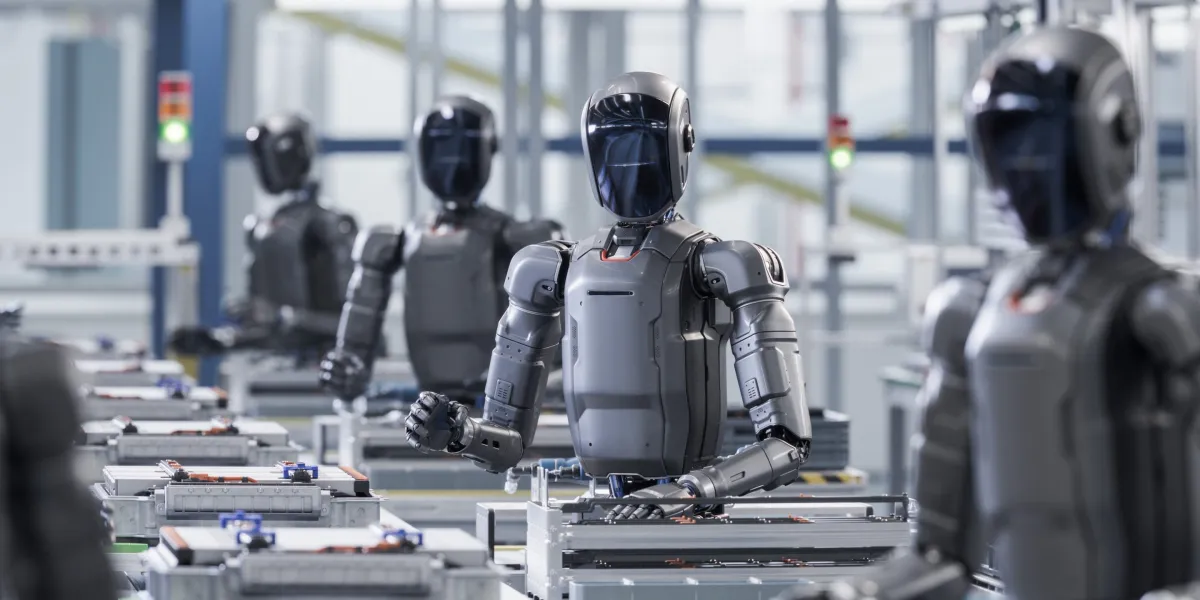
Major new technologies have always changed how people work—and artificial intelligence may be the most powerful yet. Many worry this means mass job losses. Our research suggests something more nuanced—and ultimately more hopeful. AI, in its current form, works best in collaboration with people, not in place of them. Making that collaboration succeed—and ensuring people thrive—will require rethinking how organizations develop and use skills, from frontline employees to top executives.
New McKinsey Global Institute (MGI) research finds that AI-powered agents and robots available today are technically capable of performing tasks that occupy about half of current U.S. work hours. It’s a striking but easily misunderstood number. This doesn’t mean half of all jobs will vanish—it means many of today’s work activities could be automated, freeing people to take on different parts of the same work and creating new jobs. How quickly these changes occur depends on business choices about technology adoption. If the history of other technological transformations is any guide, full adoption could take decades.
Still, the potential is enormous. We estimate that pairing people and AI tools, including agents and robots, could unlock almost $3 trillion in economic value in the United States by 2030. Realizing these gains will require reimagining work itself—rethinking processes, roles, and culture so that people and intelligent machines can work together to become far more productive.