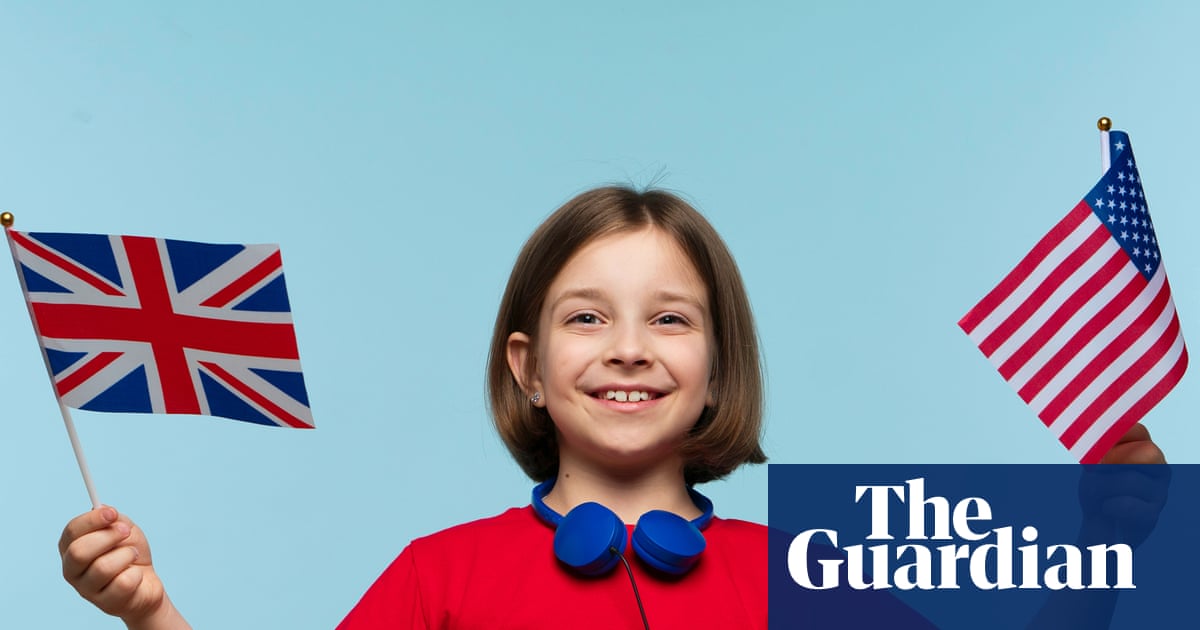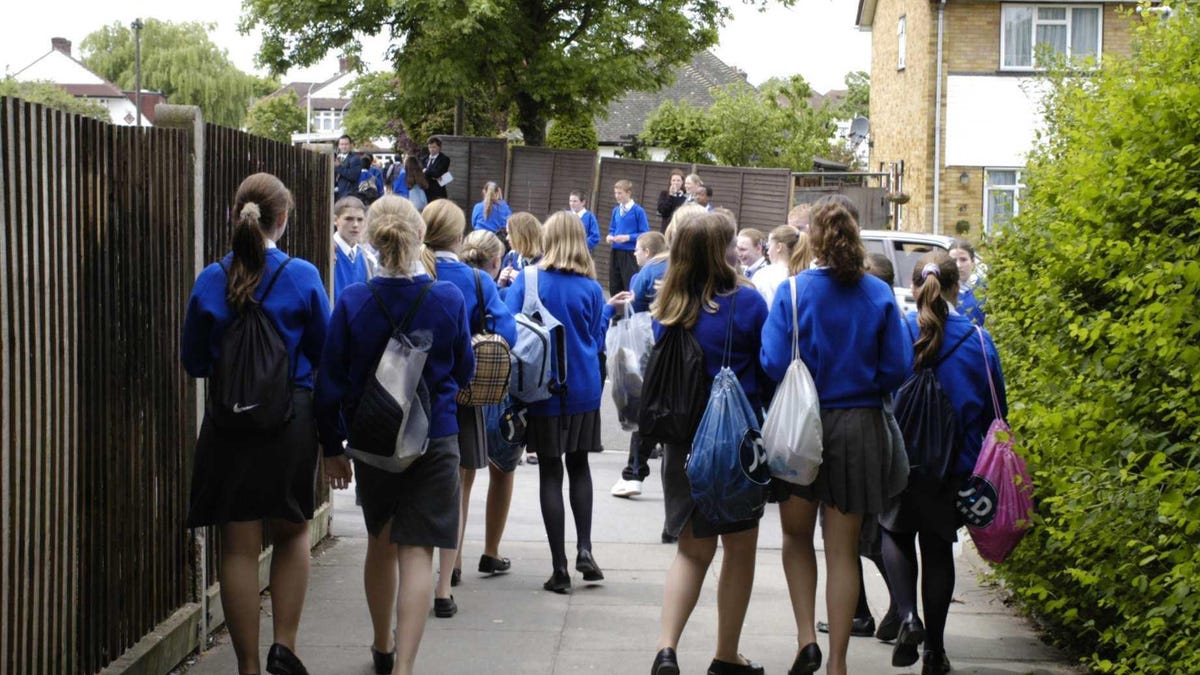
LONDON ― Órlaith Hallahan never sits on the couch. Never wears a sweater. Doesn't take out the trash. Why would she? She's English. Hallahan sits on the sofa. Wears a jumper. Takes out the rubbish.
"I don't normally use American words when I speak. I try to stick with the British English ones. But my friends do quite a lot," Hallahan, who is 10, said recently one school-day evening after a play date.
"Play date − I'm pretty sure that's an Americanism, too," her mother Gráinne chimed in.
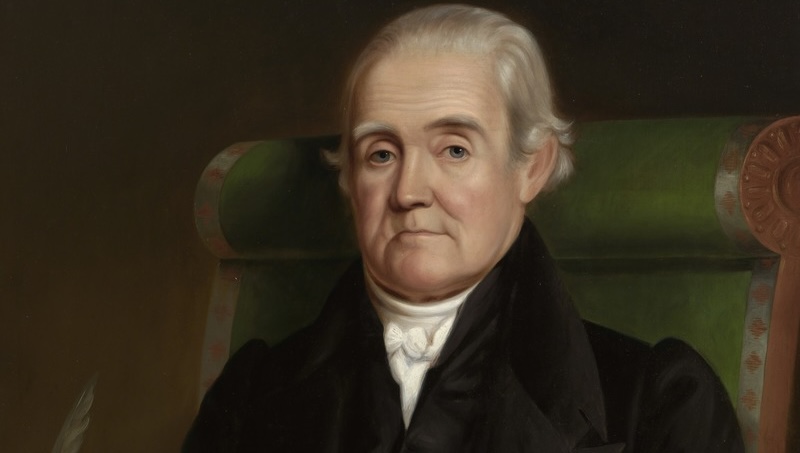
The differences between American English and British and Irish English extend to spelling, pronunciation, idiom, even how dates, numbers and some punctuation are formatted. This gulf has long been a source of misunderstandings, superiority complexes and also humor. "We have really everything in common with America nowadays, except, of course, language," the Irish writer Oscar Wilde noted in 1887.
Semicolon use is in decline. Does it matter?