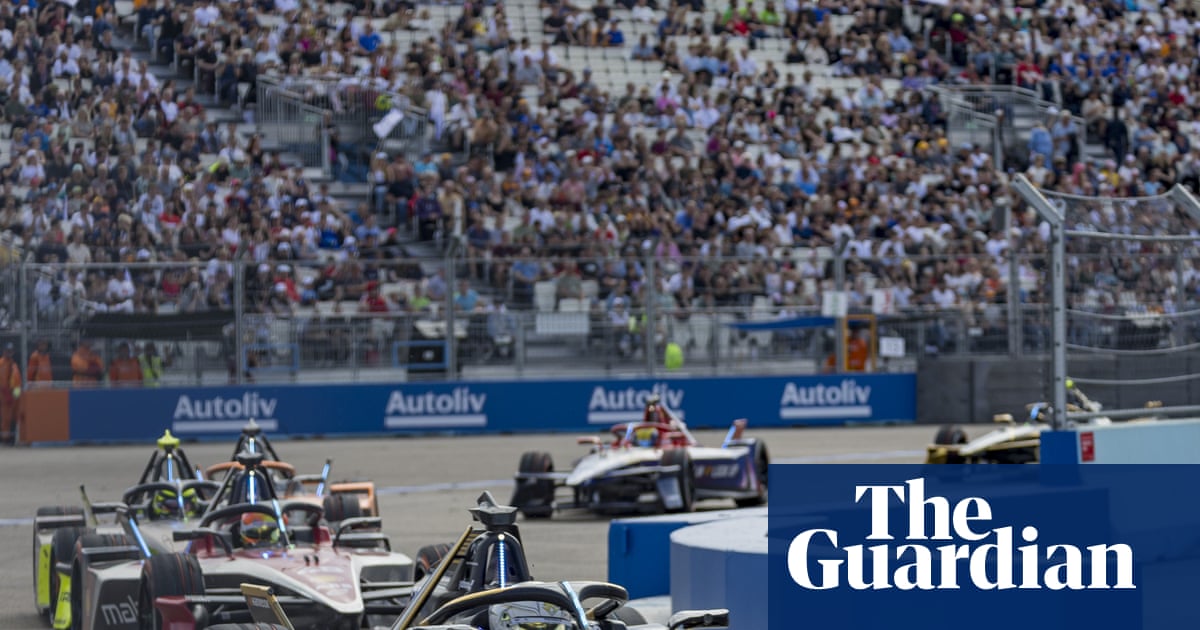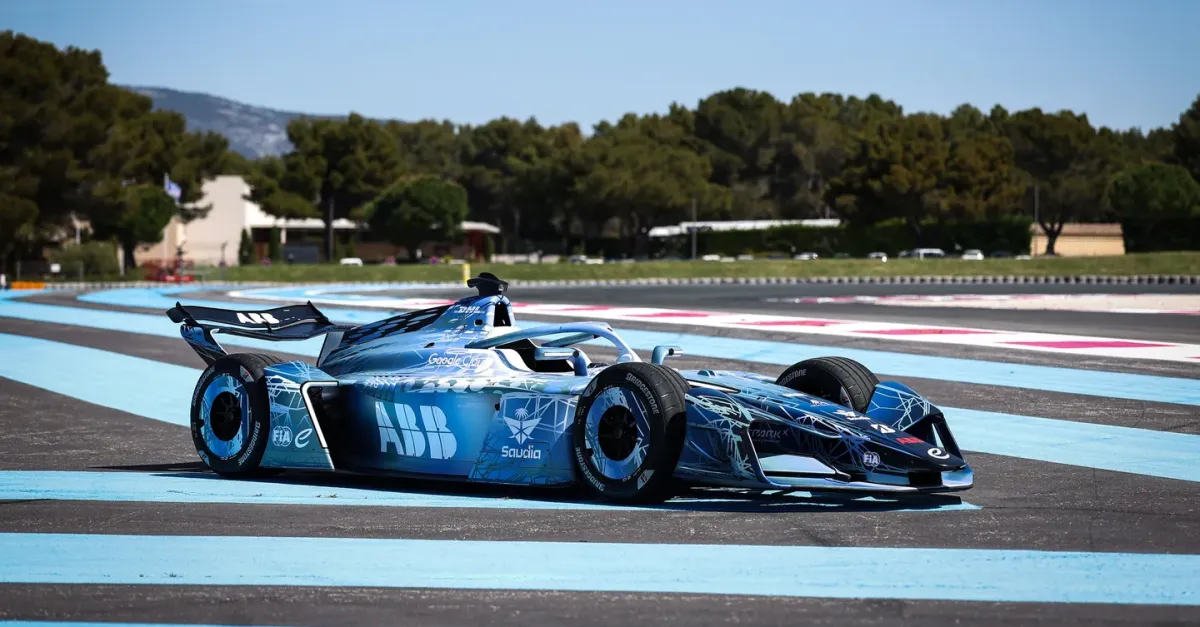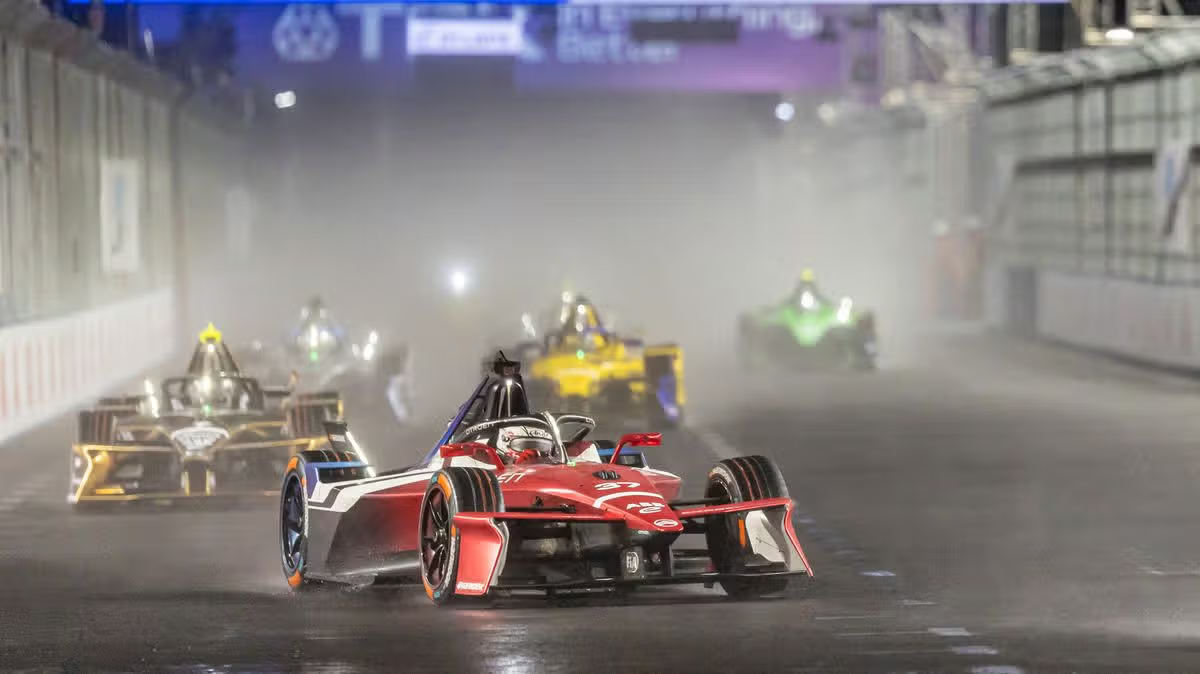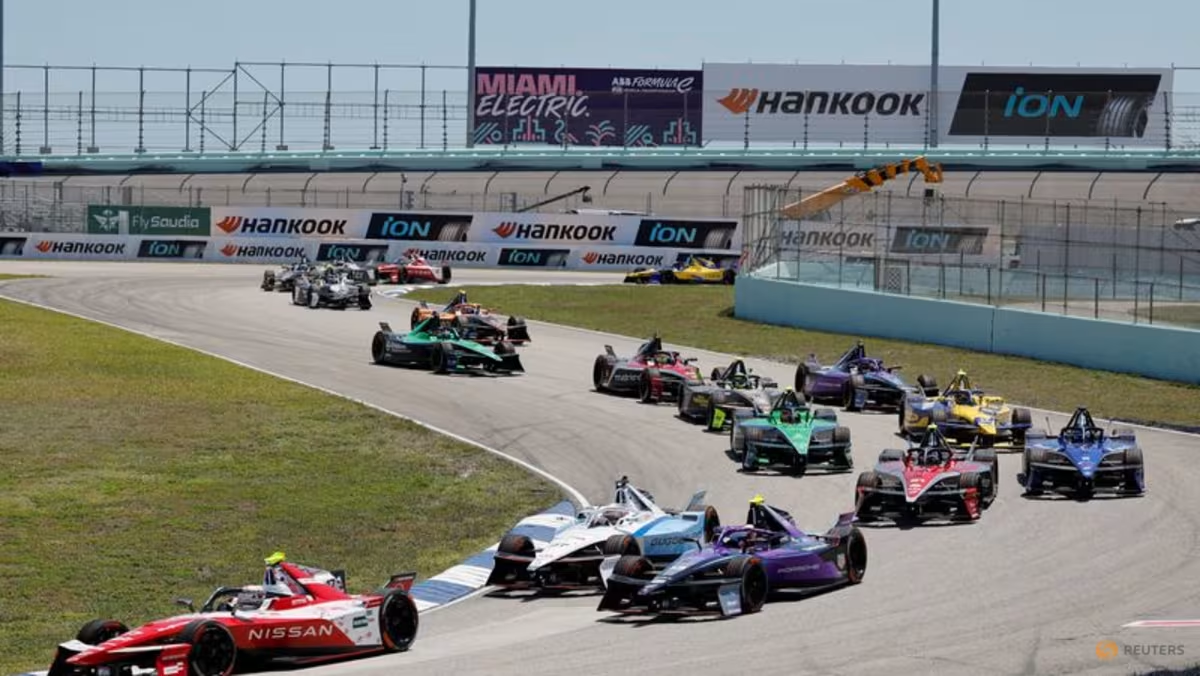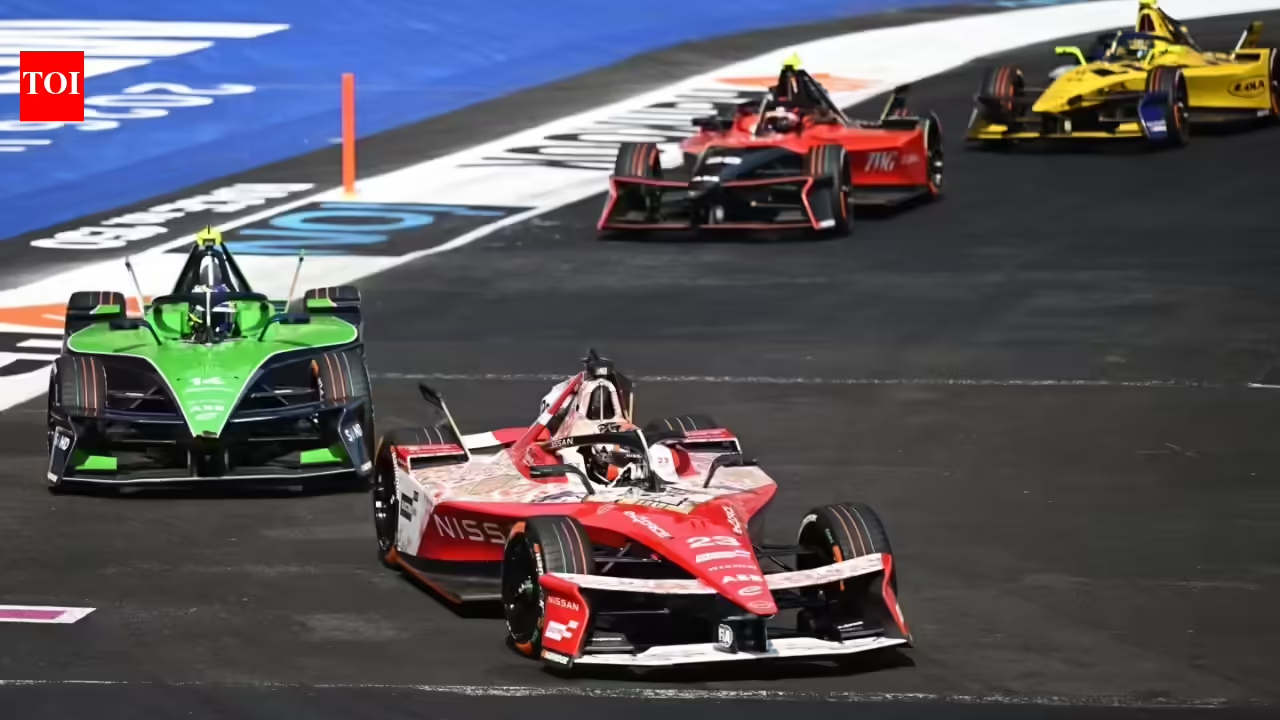
The lights in London’s Excel centre are low as 22 electric cars line up for the final race of Formula E’s 11th season. Seconds later, the drivers shoot into the bright daylight, whistling around – and it is a whistle, not a roar – the indoor-outdoor track at speeds pushing 200mph. The racing is hard, the leaderboard constantly changing as drivers vie for position.
The series has a similar dynamism off the track. In just over a decade, Formula E has accumulated 422 million fans around the world (about half the size of Formula 1’s fanbase). They are younger and more diverse than typical motorsports enthusiasts (2024 saw it pass more than 1mn followers on TikTok). And, in terms of acceleration, the cars are sharper than in F1 – 0-60mph in 1.82 seconds against 2.5 seconds (though they can’t reach F1’s top speeds of around 220mph). Quieter cars and more accessible locations, a number of them city-street circuits, have made the sport more family-friendly. And it’s more eco-friendly: the championship’s annual carbon footprint is 33,000tCO2eq against F1’s 170,000tCO2eq.
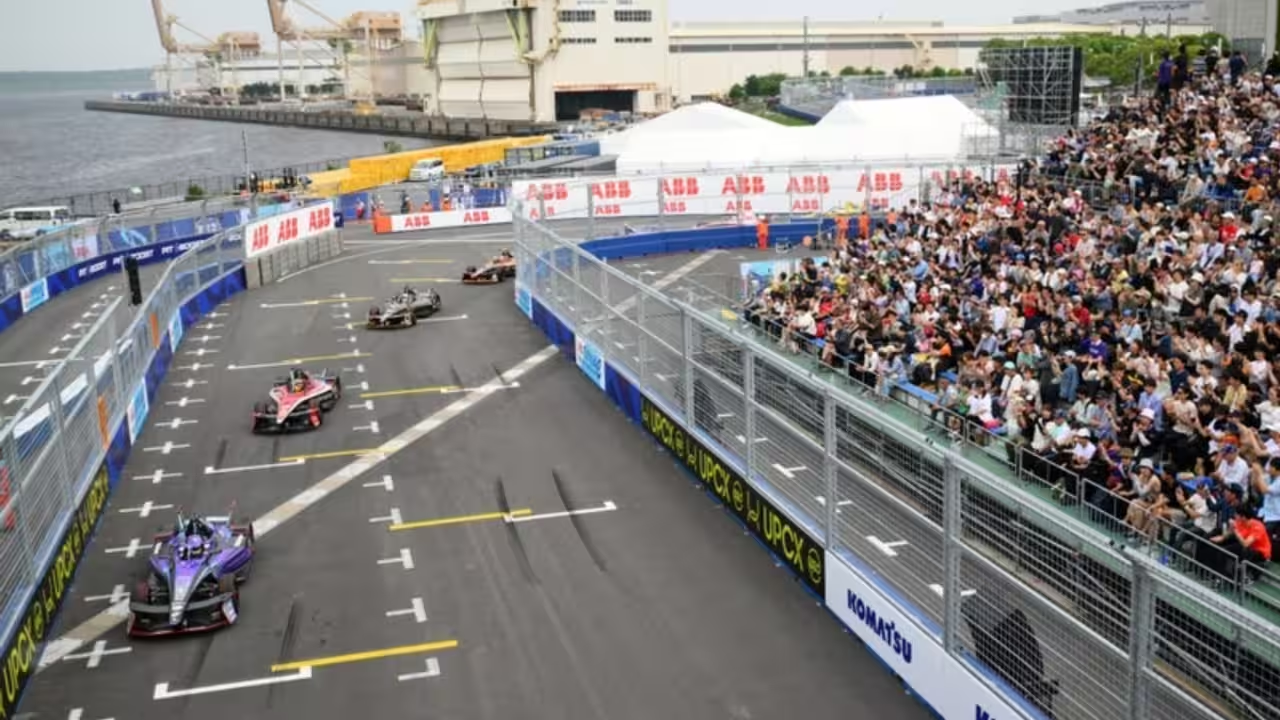
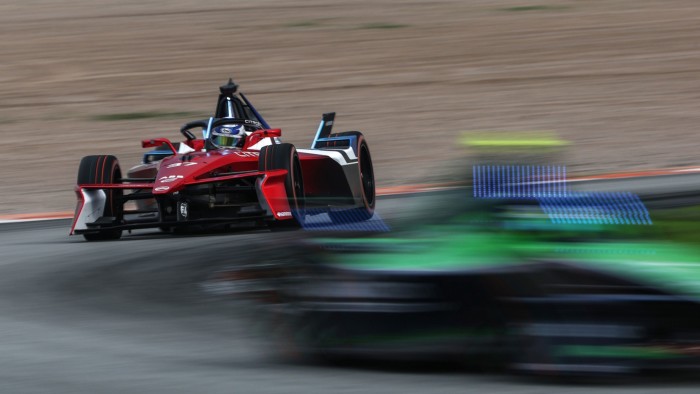
Norman Nato in Team Nissan’s e-4ORCE 05 ahead of Nico Müller in Porsche’s 99X Electric Gen3 in a practice lap at Tokyo Street Circuit in May © Simon Galloway/LAT Images for Formula E