P
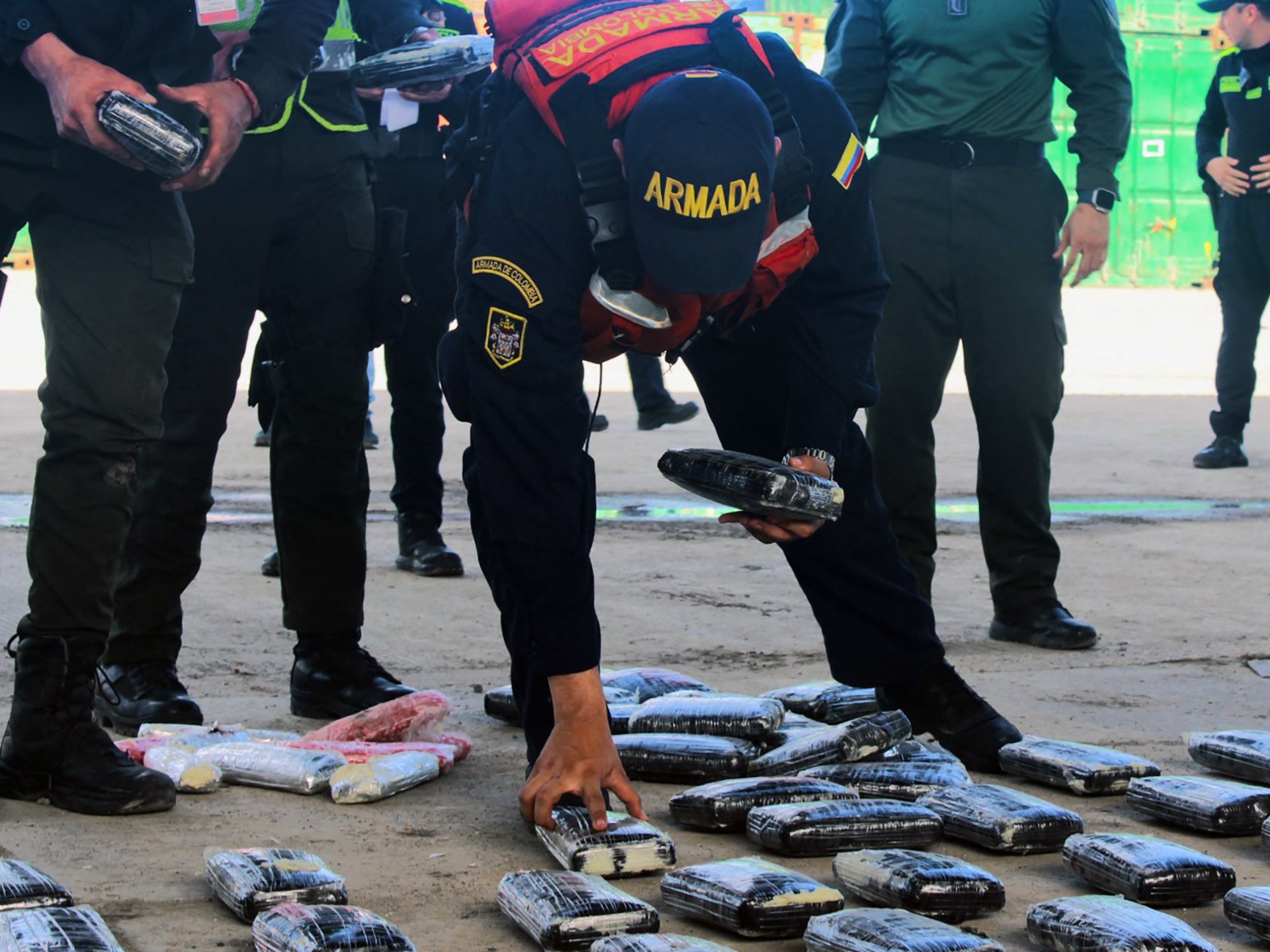
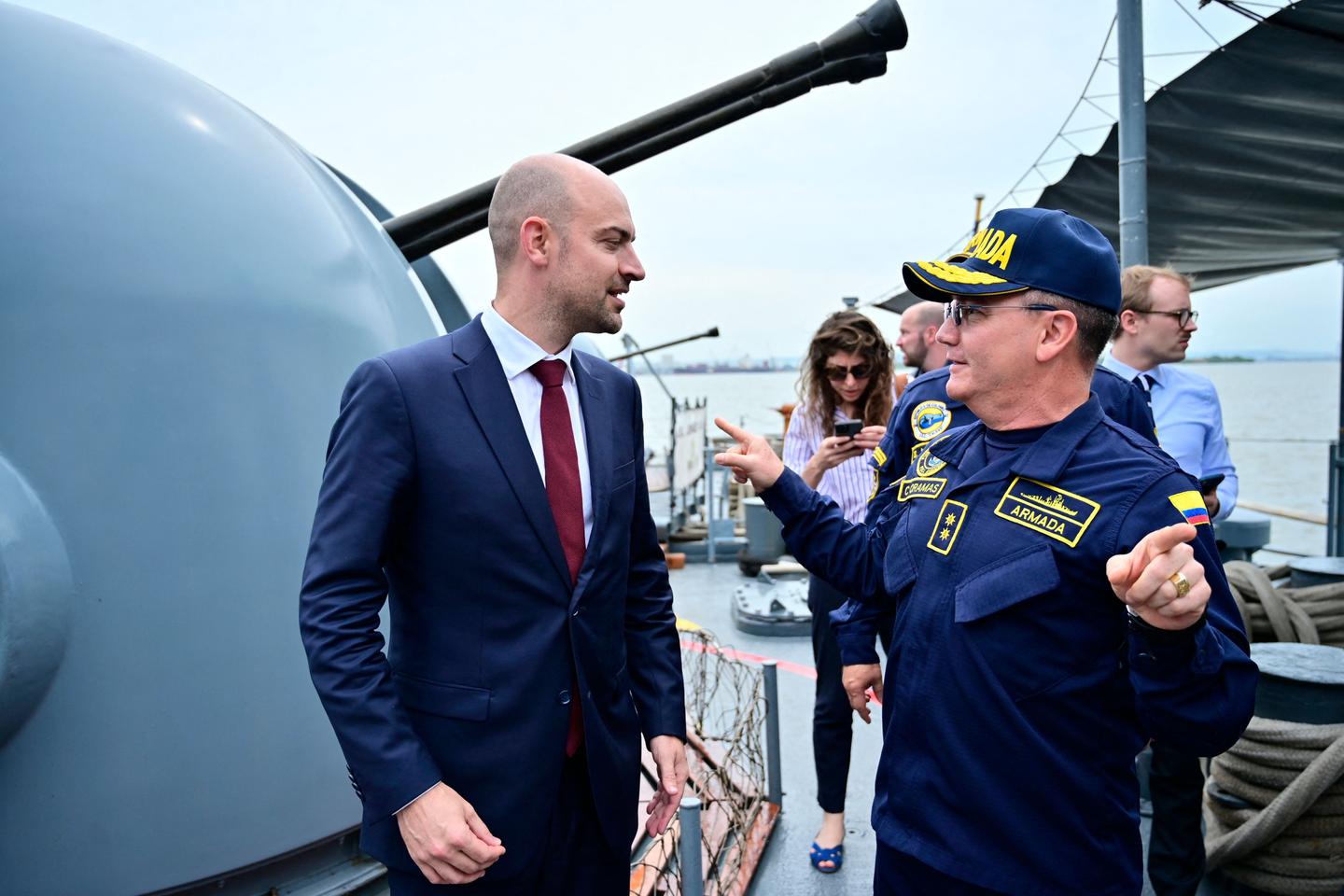
epper, paprika, sugar, cocoa, fertilizer, brick powder, plastic residue, small pieces of a piano: The labels on the small vials carefully lined up on the Colombian anti-narcotics police table reflect traffickers' creativity in smuggling cocaine. At the Cartagena port warehouse, Milan the dog demonstrated his skills, unearthing a small package of white powder among dozens of freshly unpacked boxes from a shipping container. Admiral Carlos Hernando Oramas, commander of the Caribbean Naval Force, explained that Colombia's second-largest port is also its most secure; every container is scanned before being loaded onto ships. More than 20 metric tons of cocaine were seized here in 2024, out of the country's official total of 889 metric tons seized.
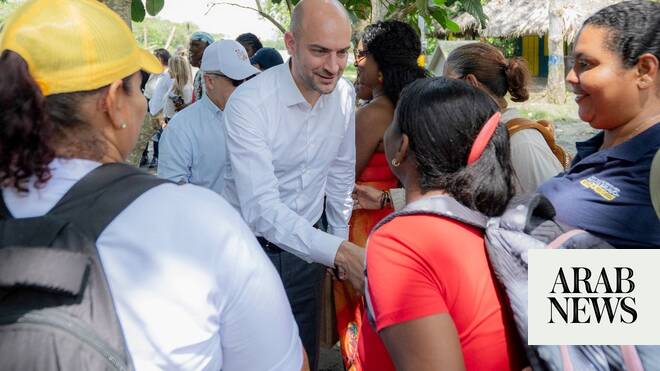
On Sunday, November 9, while visiting Colombia, French Minister of Europe and Foreign Affairs Jean-Noël Barrot hailed the "unprecedented" results of cooperation with Colombian authorities in combating drugs. "Drug trafficking and organized crime are overwhelming our country, with major consequences for public health but also for the safety of French people," Barrot said. "The problem originates in the Caribbean region. That's why we need to tackle the root of the evil here." Quietly, a journalist protested: "So we are the evil?" As the world's top supplier of cocaine, Colombia has struggled with its reputation as a problem country; it produces 5% of the world's consumed drugs.