https://arab.news/jjwde
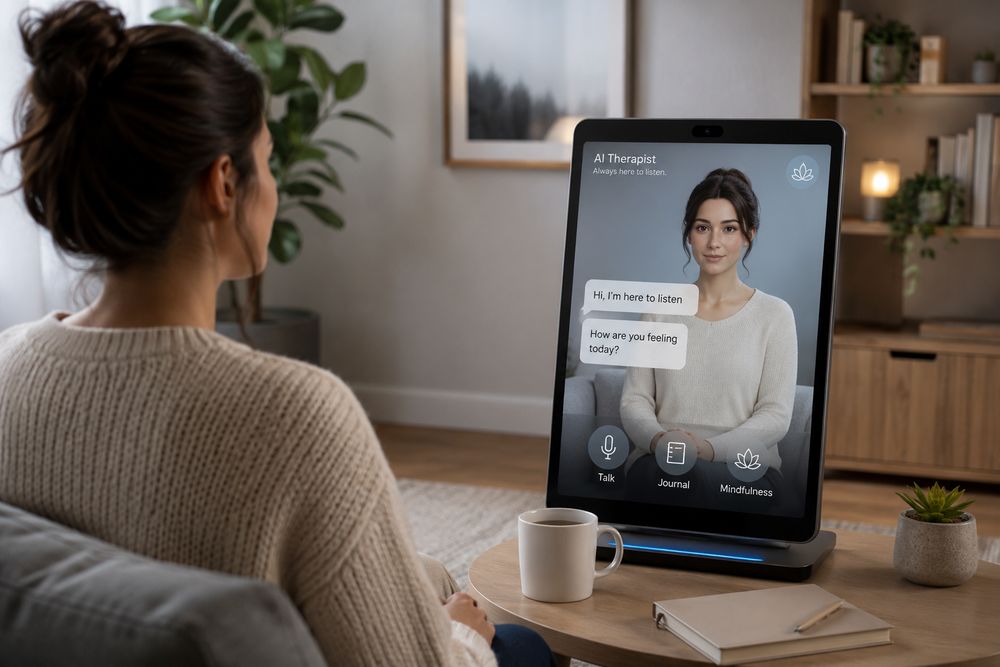
Not every human problem has a solution yet, but almost all now seem to have an app, a dashboard or an artificial intelligence “assistant.” Men and women, young and old, are turning to algorithms to escape loneliness, fix relationship problems, write essays, pick movies, check medical symptoms and even compose love letters. The danger is not innovation itself, but how ordinary people across the world are quietly allowing science and technology to monopolize their idea of progress while sidelining culture, friendship, memory, music and meaning.
This shift has happened almost imperceptibly but with astonishing speed. In 2000, only about 361 million people were online — roughly 6 percent of the world. Today, the International Telecommunication Union estimates some 6 billion people use the internet. Globally, more than 5 billion people now use social media, spending an average of more than two hours a day on it, and a new “Digital 2026” report suggests more than 1 billion people already use AI tools each month.
In just two decades, activities that once involved families, communities, newspapers, books and local institutions have fallen under the sway of screens and systems. Sensible use of innovations has given way to overreliance in several harmful ways.