ByDan Alexander,
Forbes Staff.
S
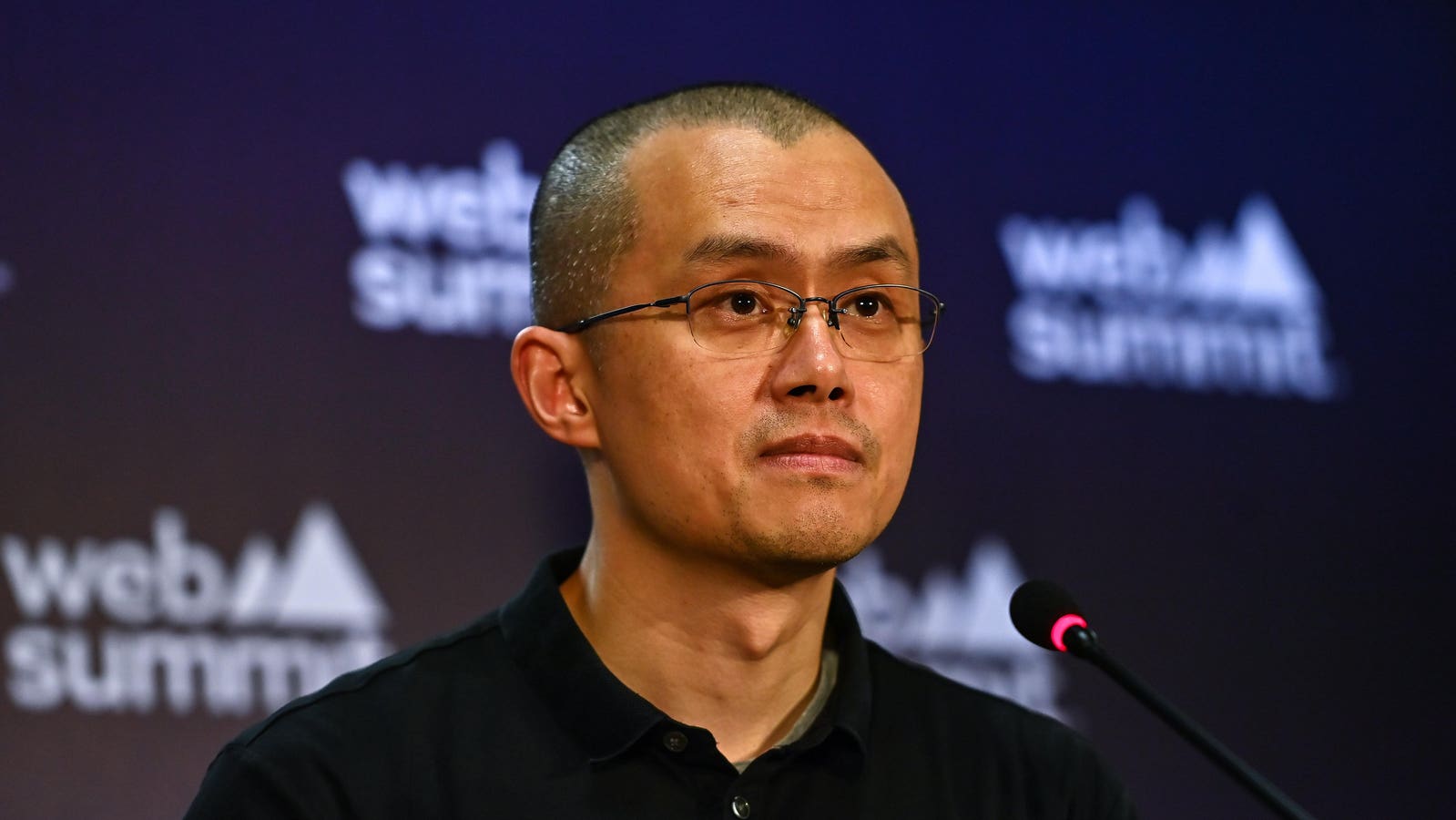
hortly after Donald Trump pardoned crypto’s richest man, Changpeng Zhao, the president faced questions about whether his personal financial interests had impacted the decision, given that a May deal involving Zhao’s company helped boost Trump’s net worth by hundreds of millions of dollars. “I don’t know him—I don’t believe I’ve ever met him,” the president said. “He had a lot of support. And they say that what he did is not even a crime.” Never mind that Zhao himself pleaded guilty to failing to maintain an adequate anti-money-laundering program.
Liz Oyer, who oversaw the pardon office at the Department of Justice until March, reached a simple conclusion: “Trump has created a pay-for-play pardon system.” Other crypto investors and companies, facing all sorts of legal issues, seemed to sense an opportunity, too. About a dozen donated to Trump’s political groups, partnered with his crypto ventures and invested in his companies as the administration made decisions on legal matters impacting their businesses. It all left the president in a nice position, with an industry full of people eager to help his family expand its own crypto ventures.