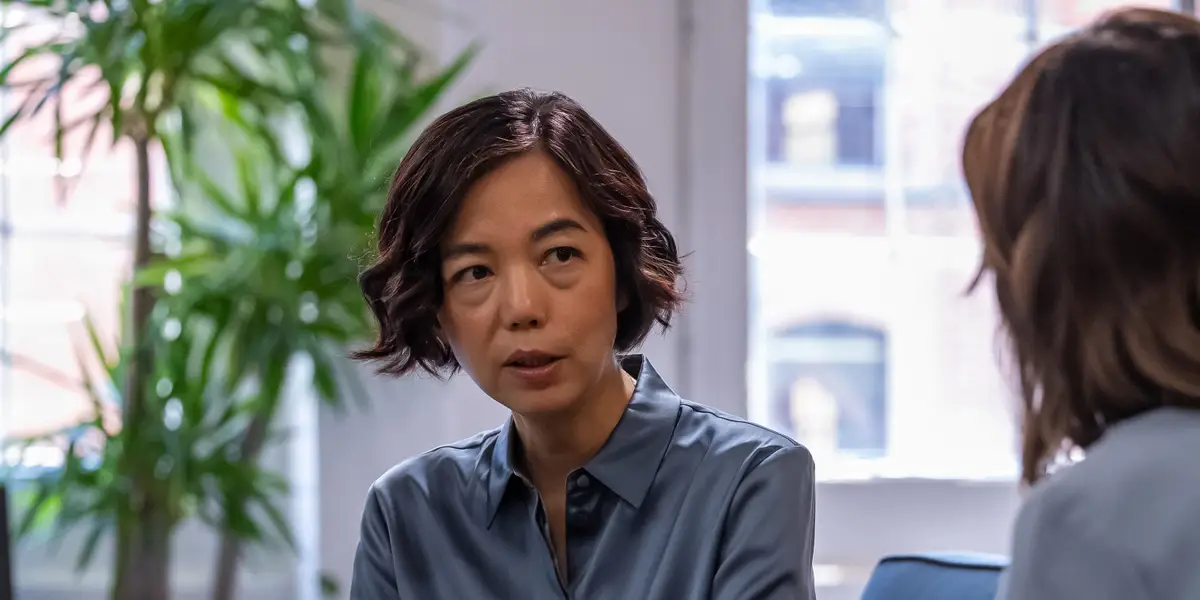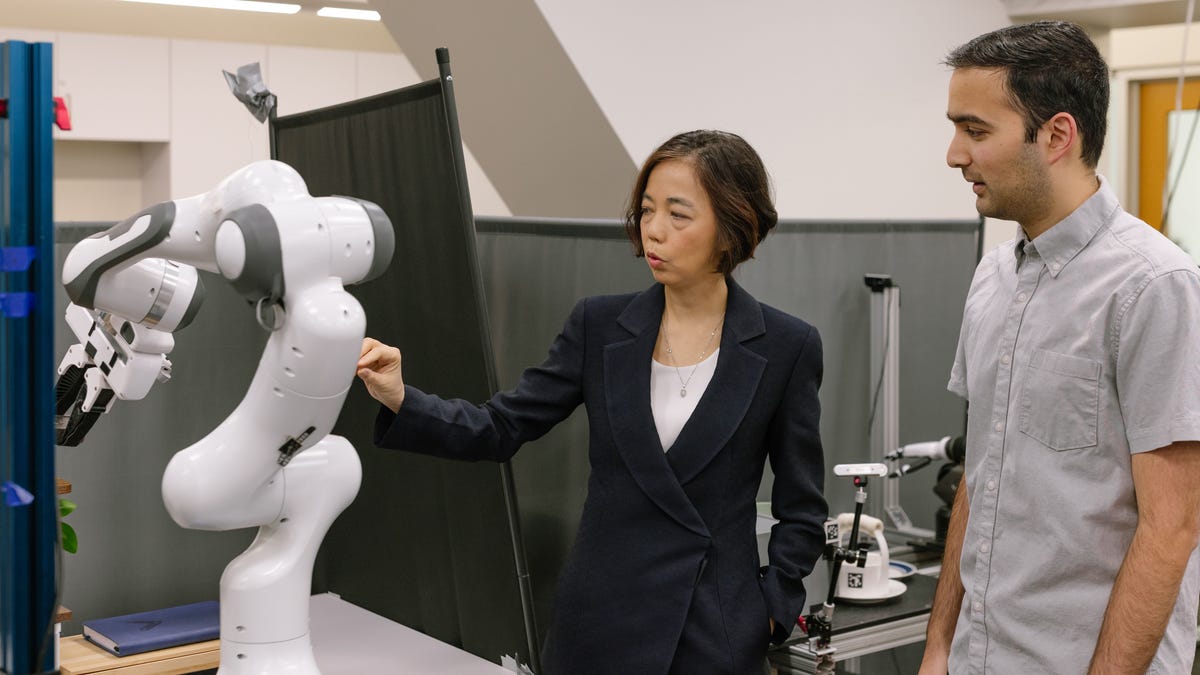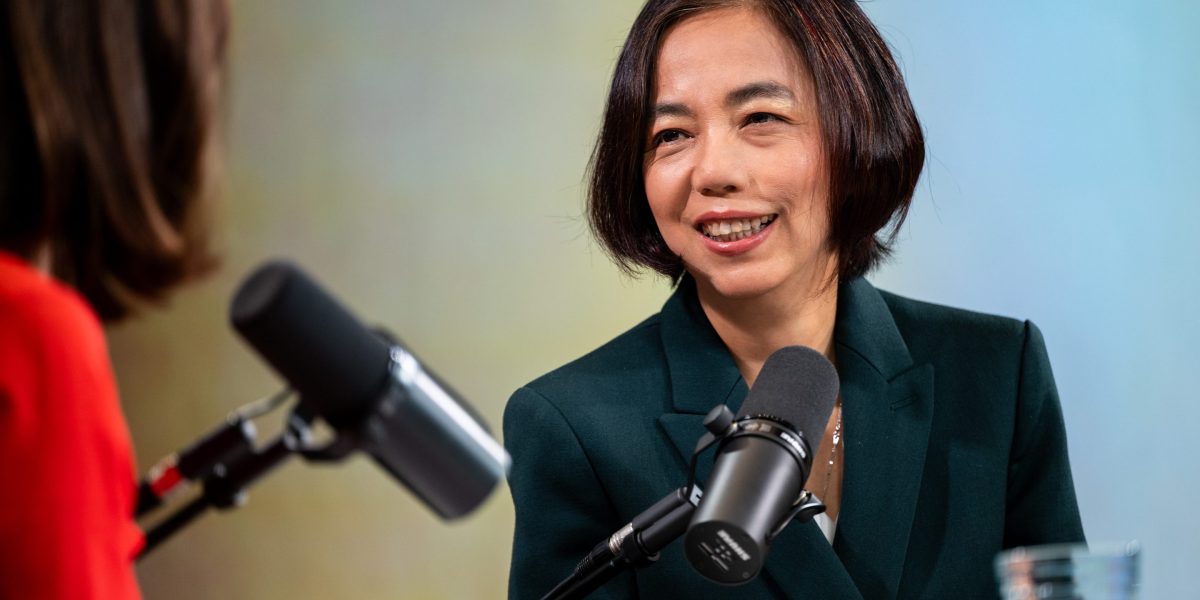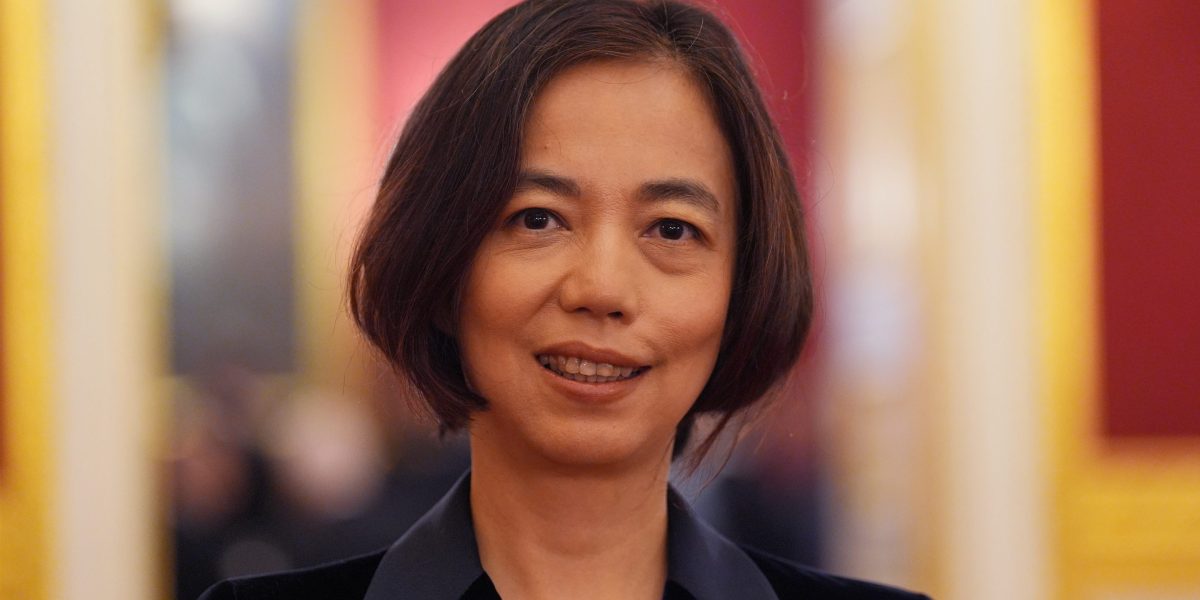
Before Fei-Fei Li helped launch the modern era of artificial intelligence, she was running a dry-cleaning business in suburban New Jersey.
Li immigrated to the United States at 15, arriving with her parents in Parsippany, N.J., with little English or money. To get by, her parents worked cashier jobs and Li worked in Chinese restaurants. When her mother’s health declined just as Li entered college at Princeton, the family needed to find a way to “make some money to survive,” she told Bloomberg. So, they opened a dry-cleaning store.
Even as she navigated the manicured campus at Princeton, Li joked she was the “CEO” of her parents’ shop. As the only one who spoke English, she balanced physics problem sets with “all the business”: answering phones, managing inspections, talking to customers, and handling billing. When she left for Caltech to begin her PhD, the job didn’t end: She kept running the dry-cleaning business remotely until halfway through graduate school, she told Bloomberg.
The experience, she says, taught her resilience: the quality she now considers essential in both science and life.
“Science is a nonlinear journey,” she told Bloomberg. “Nobody has all the solutions. You have to go through such a challenge to find an answer.”