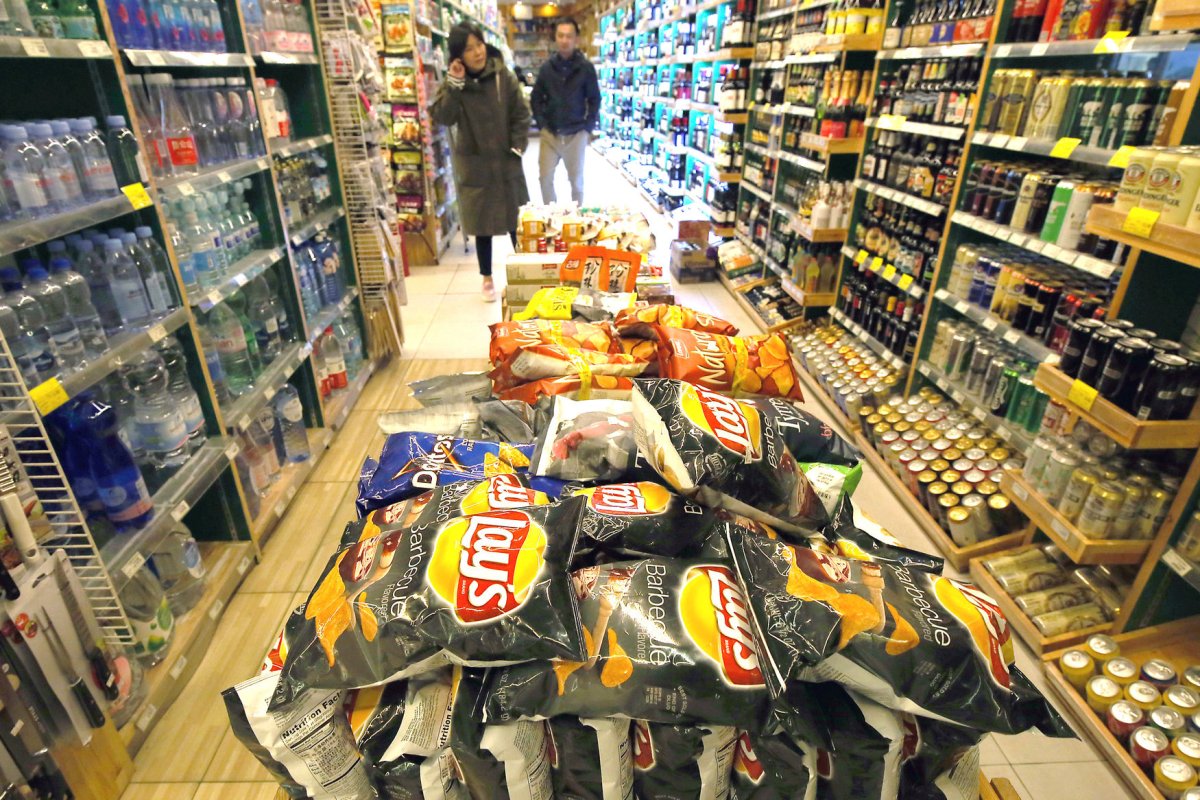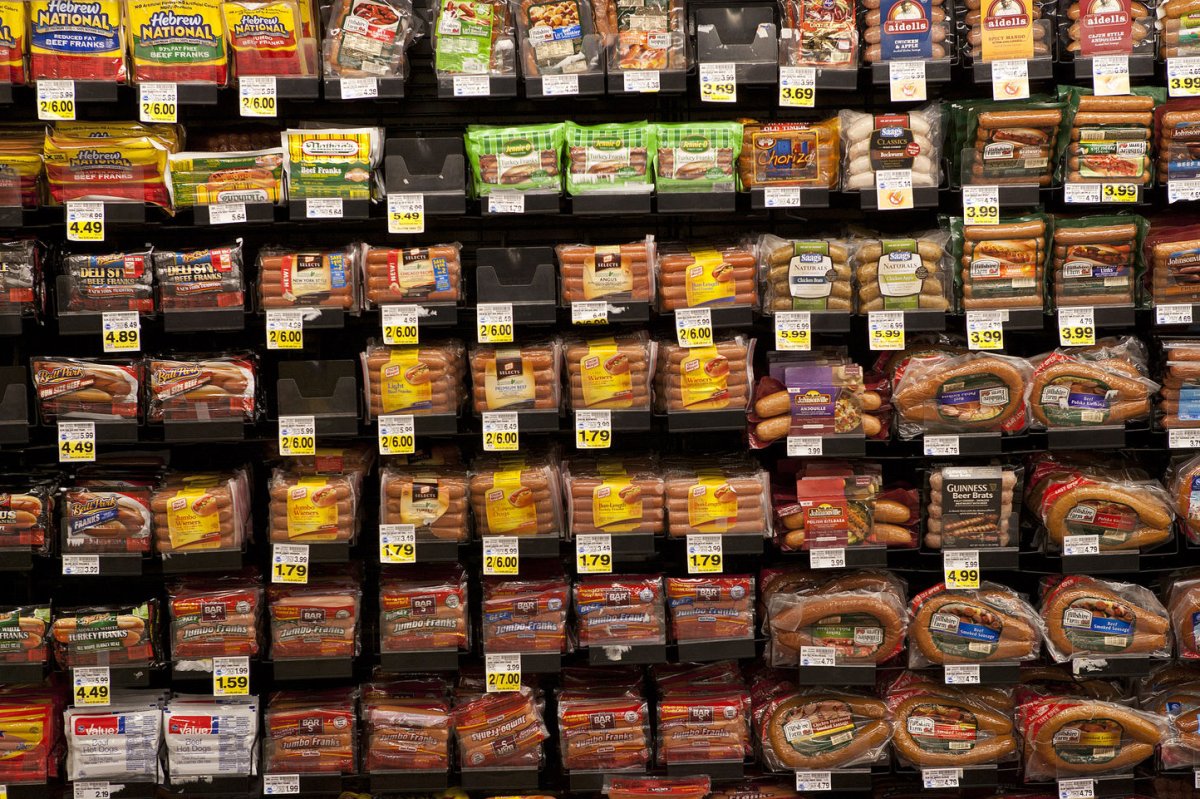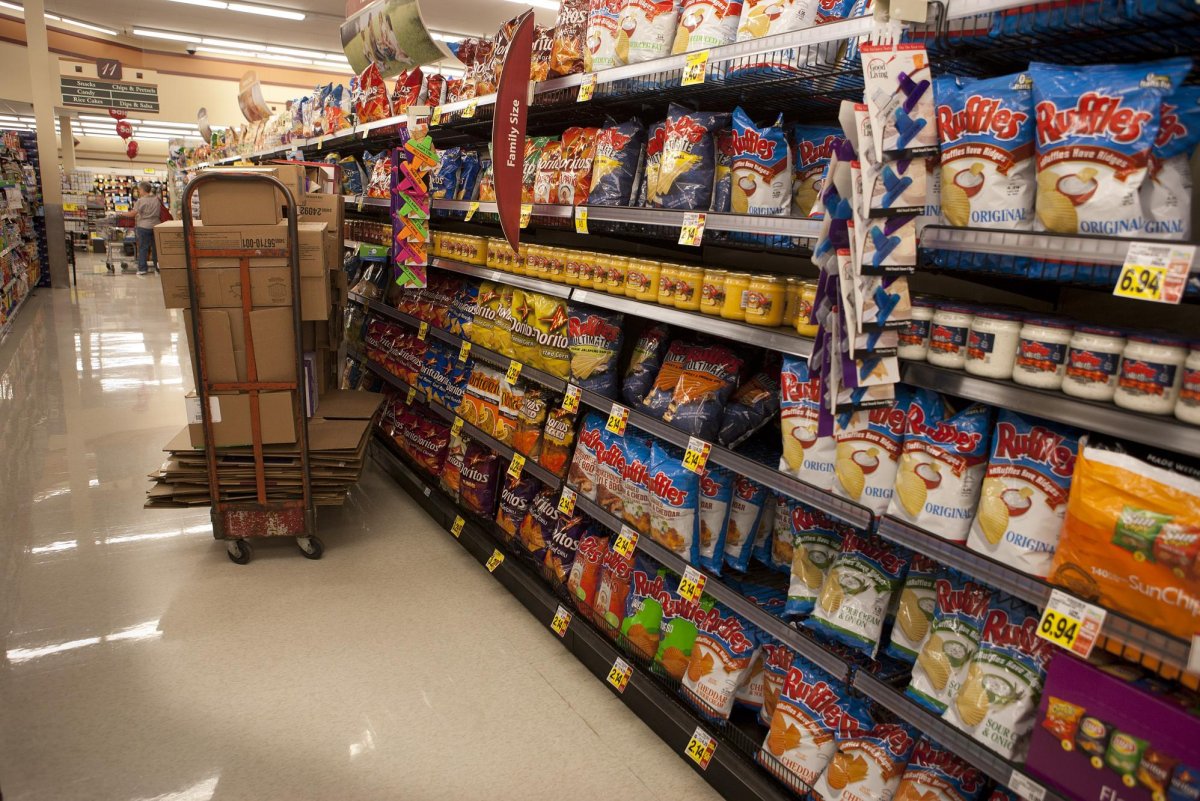
After two weeks of being placed on a diet high in ultra-processed foods, people in their late teens and early twenties continued to take in an excessive amount of calories, even when not hungry, new research shows.
The same was not true for similarly aged people who'd been placed on a two-week diet that shunned ultra-processed fare in favor of healthier, unprocessed foods.
Much of the excessive calorie intake among those exposed to ultra-processed foods came from snacking.
"Snacking when not hungry is an important predictor of later weight gain in young people, and it seems ultra-processed food exposure increases this tendency in adolescents," noted study co-author Alex DiFeliceantonio. She's an assistant professor with the Fralin Biomedical Research Institute at Virginia Tech in Blackburn.
Related