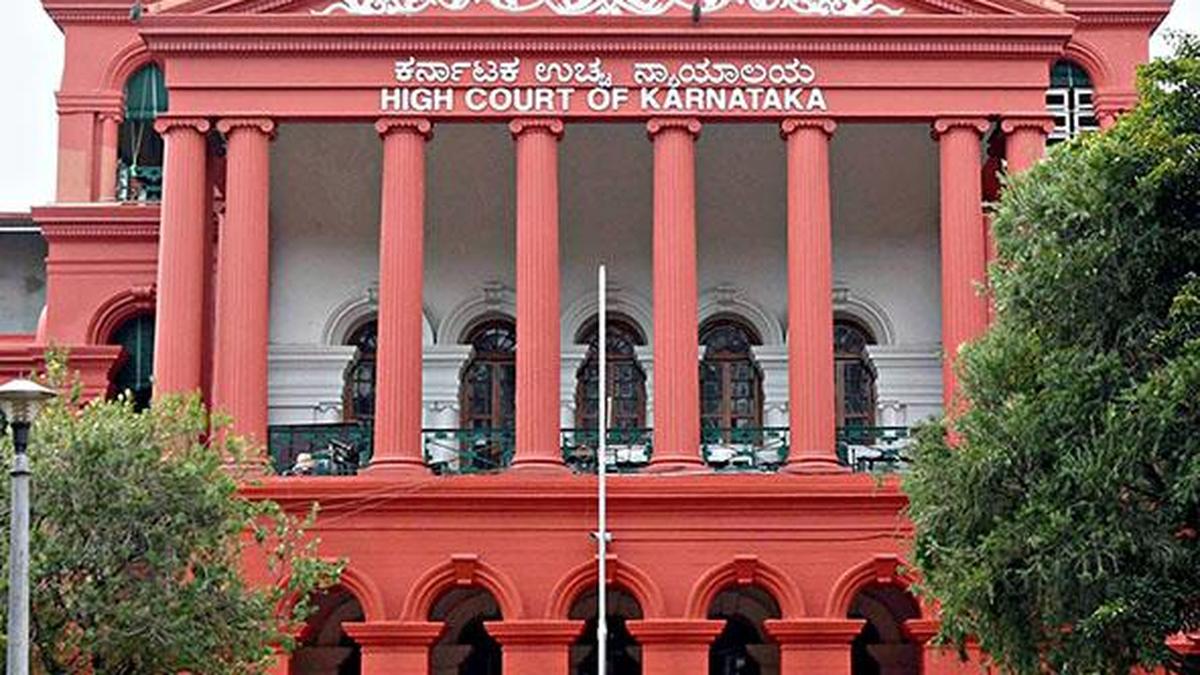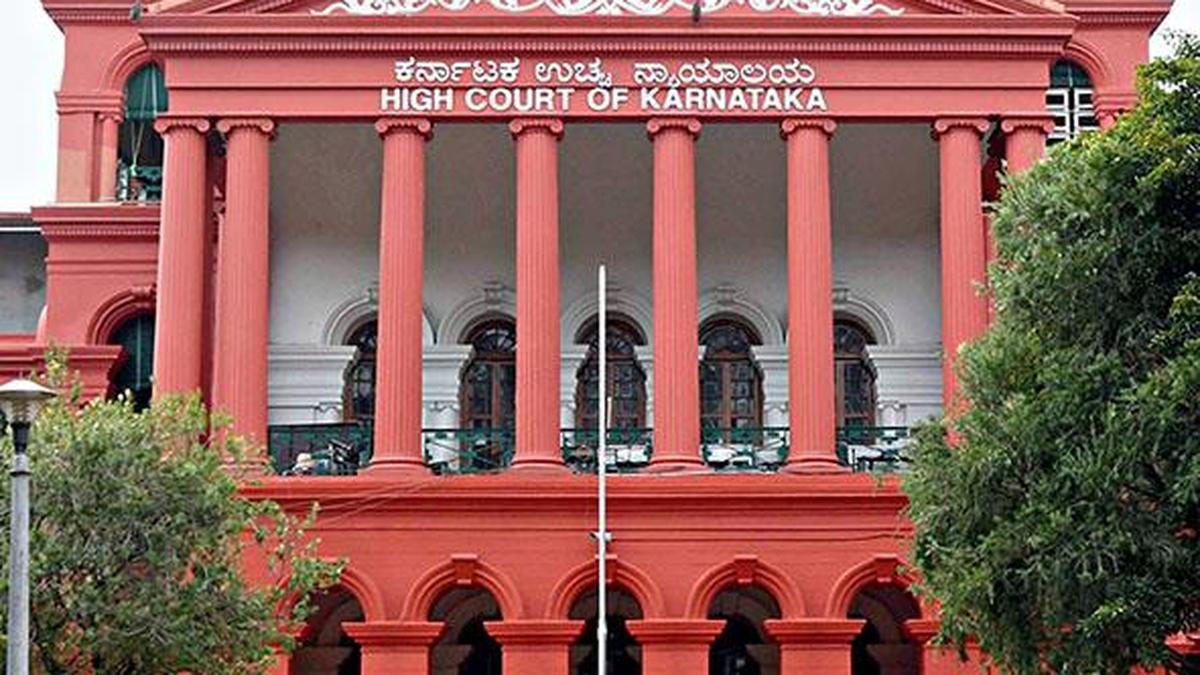
The High Court of Karnataka has flagged a serious legal loophole in Kaveri 2.0 software while pointing that this system has no provision to enter decrees by the courts as the software “treats the decrees, be it declaratory, preliminary, final, or compromise, etc., of competent civil courts as if they were extra-statutory or non-existent for mutation purposes”.
Absence of provision in the software to incorporate civil court’s decrees undermines the finality of court decrees and runs counter to the intent of Sections 128 and 135 of the Karnataka Land Revenue Act, 1964, which mandate that revenue records be amended in conformity with judicial declarations, the High Court pointed out.
Without delay
The High Court also directed the State government to take steps within six months to introduce a new workflow, in Kaveri 2.0, titled “Mutation based on civil court decree” for mutation, based on all types of decree of a civil court, to ensure that names of all shares and their respective extent, as determined by the decree, are entered in the column of owners or remarks of the parent RTC without any delay.
Justice Sachin Shankar Magadum issued the directions while allowing a petition filed by Gilbert Vas and his four brothers of Naricombu village in Bantwal taluk of Dakshina Kannada district.