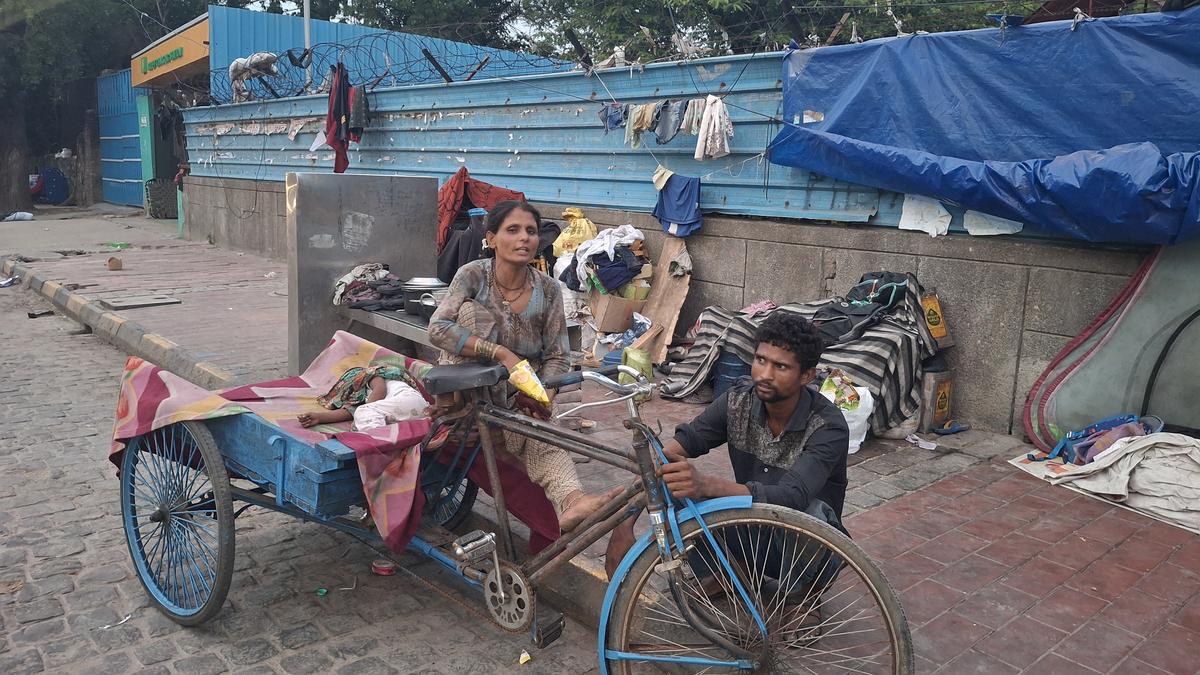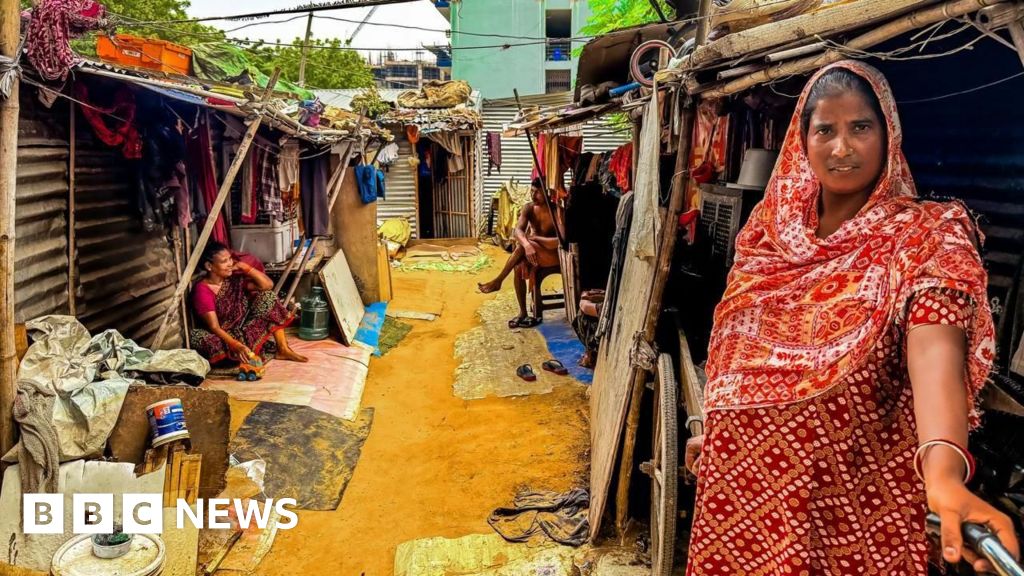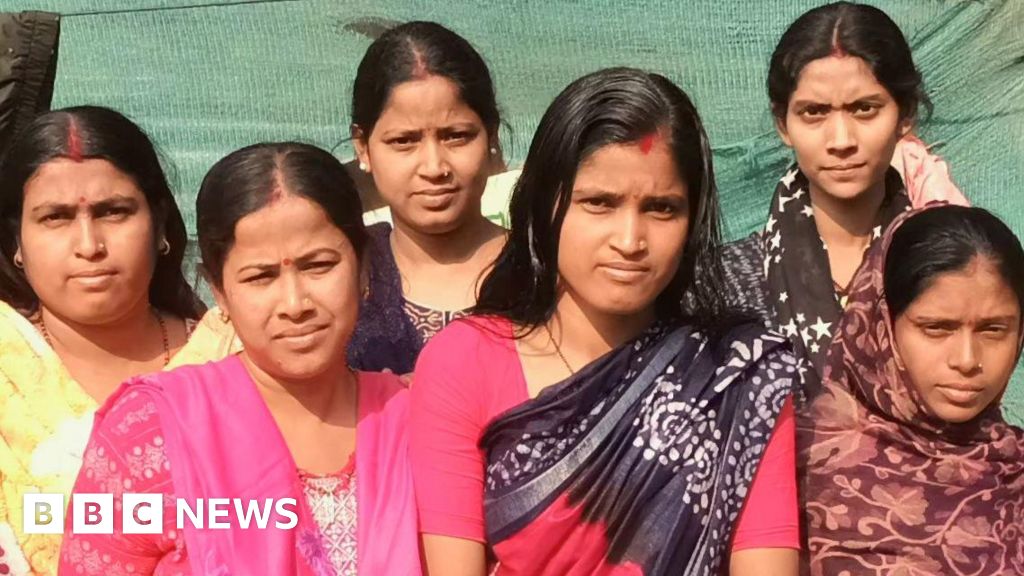
A sense of anxiety grips Rangpuri Pahari, a slum in India's capital Delhi.
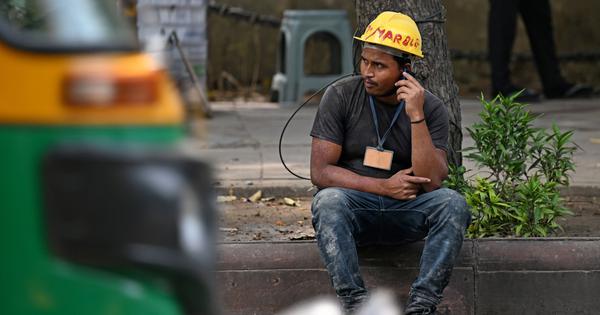
The neighbourhood houses thousands of migrant workers who have lived hand-to-mouth for decades, mostly employed in the unorganised sector as domestic staff, cooks, mechanics, car washers and construction labourers.
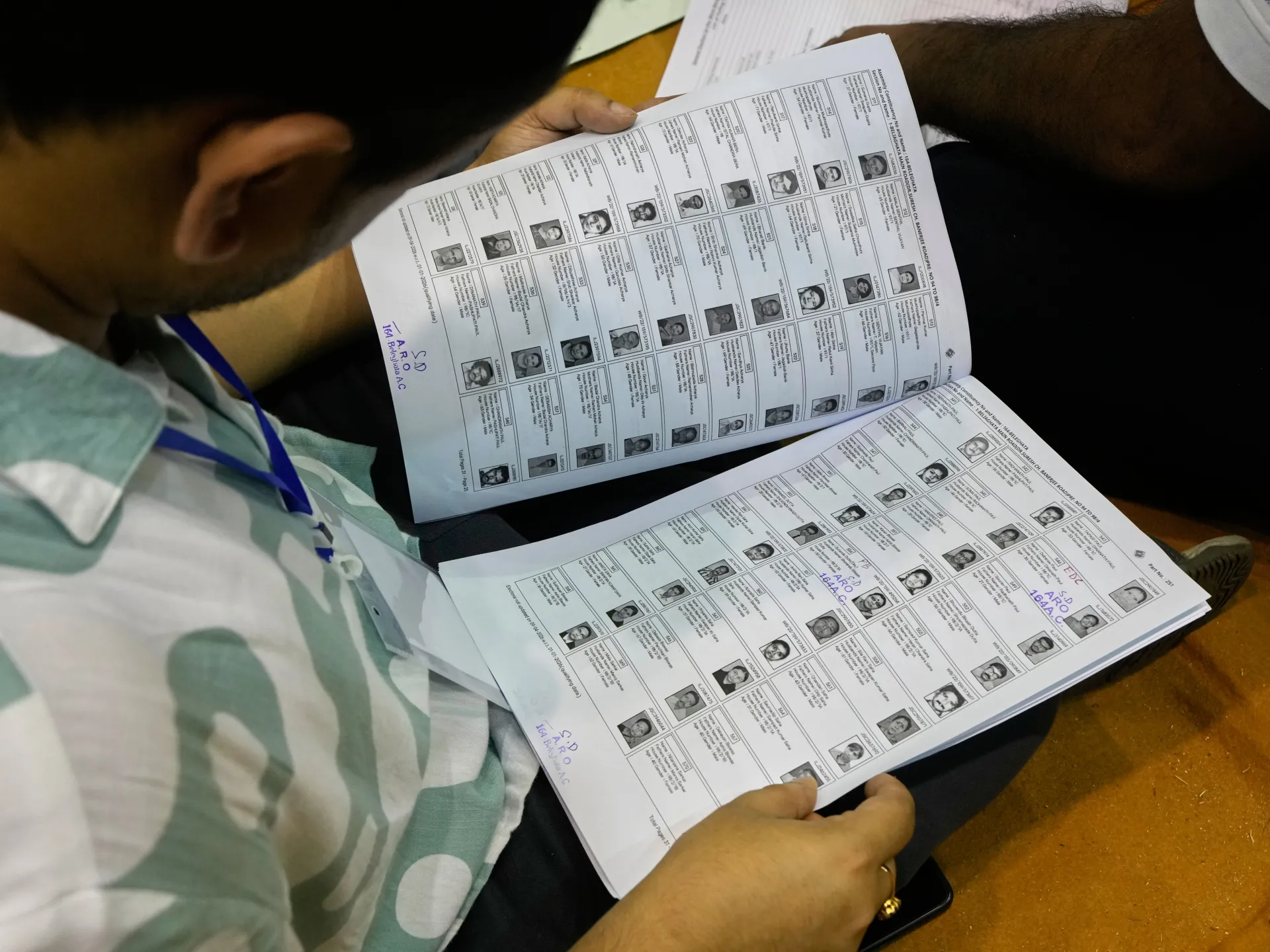
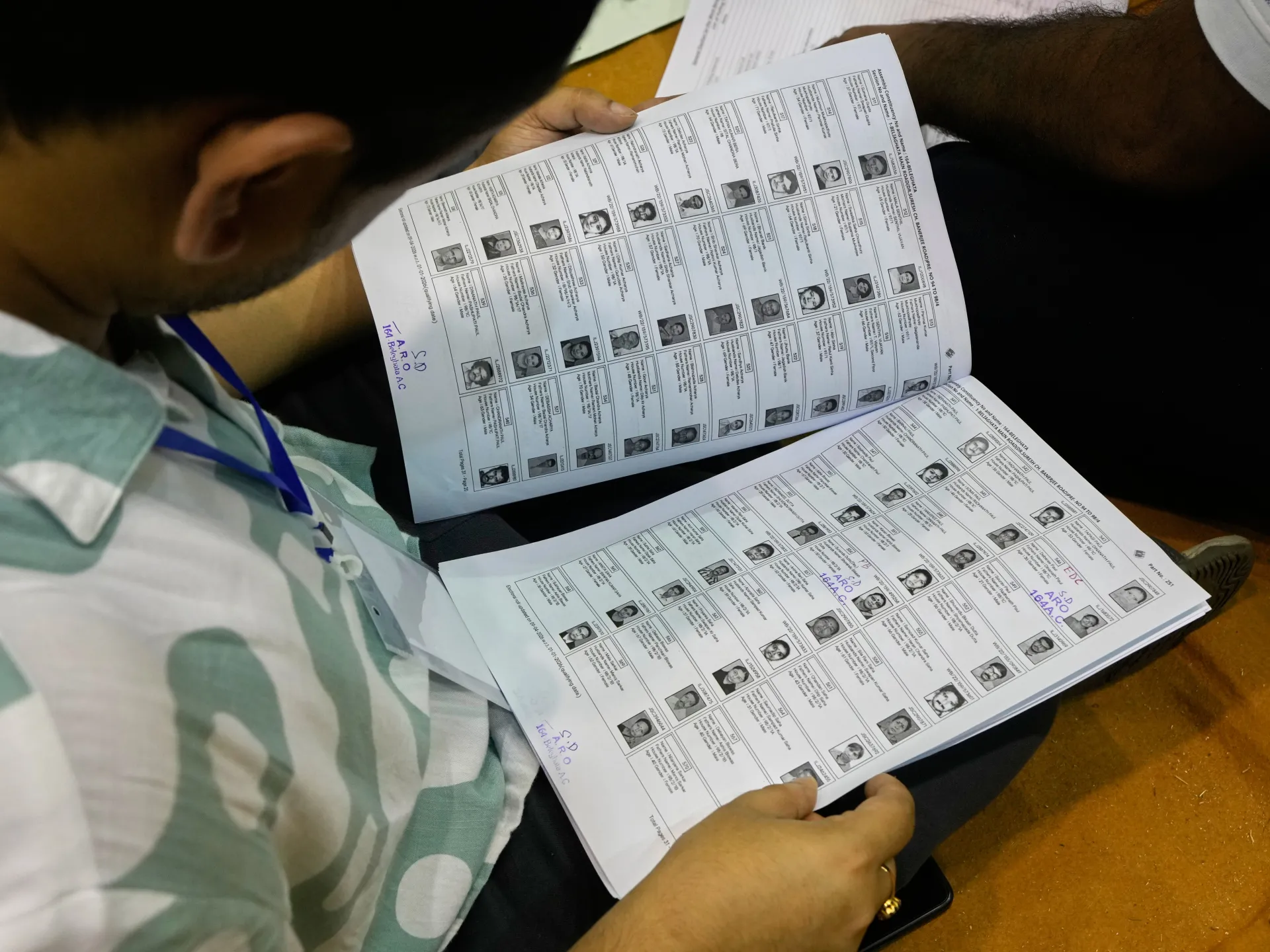
Now they fear they'll have to make sudden - and costly - trips home to keep their names on India's electoral rolls.
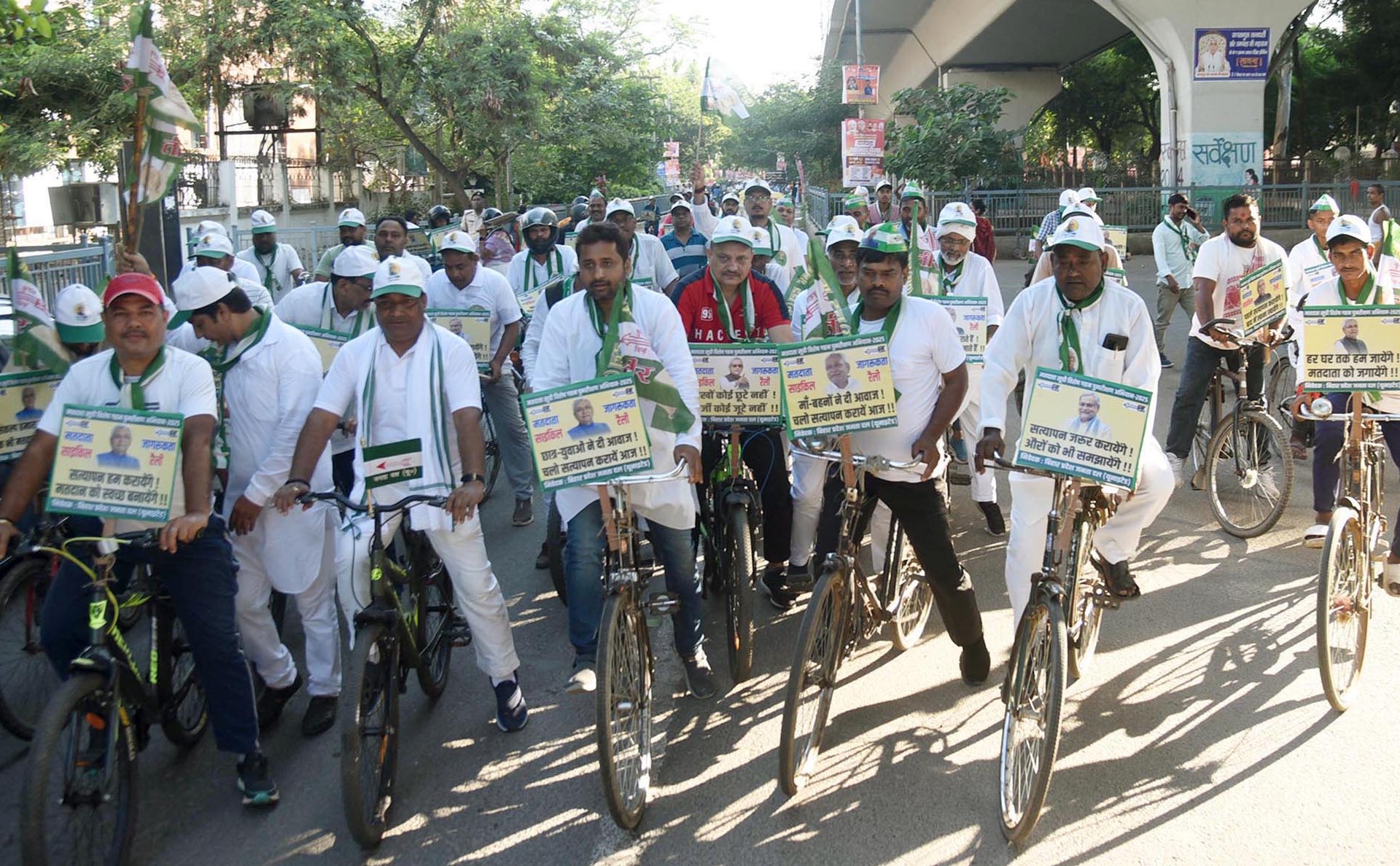
On 4 November, India began a major exercise to revise electoral rolls across 12 states and federally administered regions.
Known as the Special Intensive Revision (SIR), it covers nearly 510 million voters - or more than half of the country's 970 million electorate.