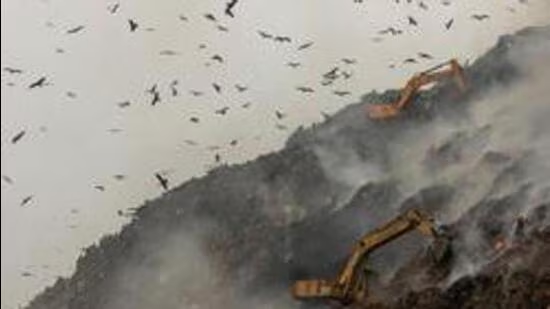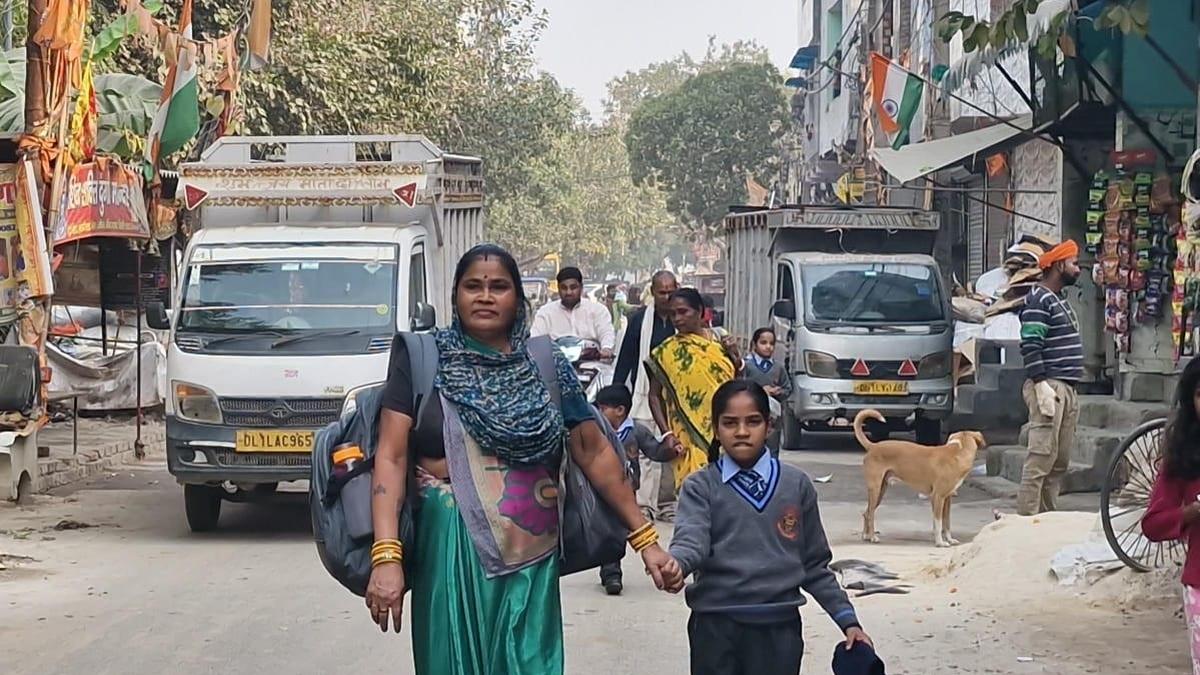
Harbai, a 56-year-old resident of Metro Vihar JJ Colony in north-west Delhi’s Bawana, says she often clears layers of black ash from the terrace of her four-storey residence. “A few years ago, we couldn’t figure out where all this dust was coming from. But now we know there is a plant nearby that burns garbage, which emits this black ash,” she recalls.
Her neighbour, 59-year-old Somvati, says she struggles with breathlessness every morning. “It feels like some residue always sits in my throat. People with asthma or other lung problems suffer even more,” she says.
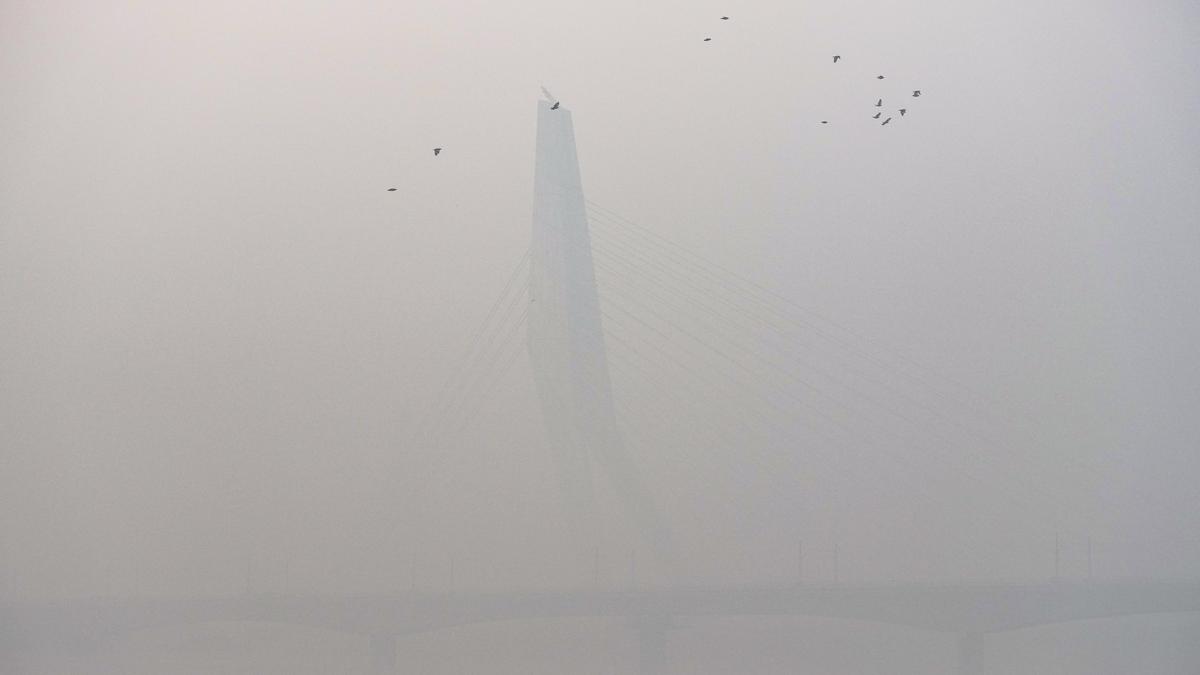
Less than 2 km away stands the 24 MW waste-to-energy (WTE) plant, run through a public-private partnership between the Municipal Corporation of Delhi (MCD) and Re-Sustainability. Residents of nearby villages, Holambi Khurd, Sonath, Holambi Kalan and Naya Bans, report similar health concerns. On the day of The Hindu’s visit, the air quality index (AQI) in the Bawana Industrial Area was slightly higher than that of New Delhi.
Even during GRAP III restrictions, which curb industrial activity, these plants continue operating because they are classified as “essential services”.
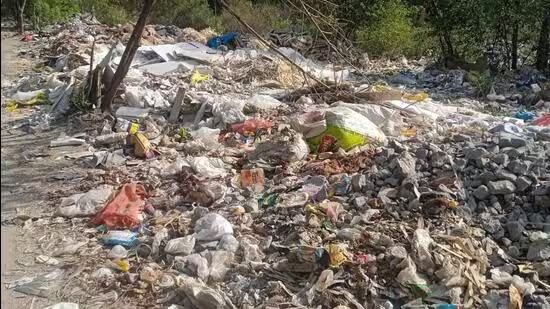
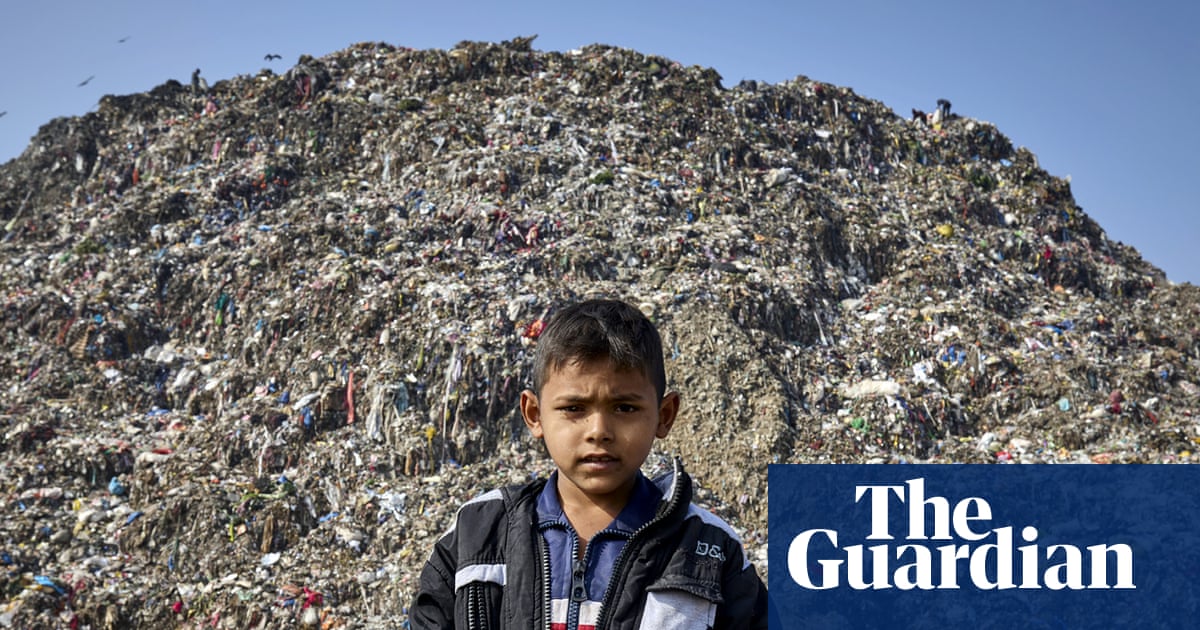
Delhi’s four WTE plants in Bawana, Tekhand, Okhla, and Ghazipur operate round the clock and together process around 7,500 tonnes of the 11,300 tonnes of mixed waste generated daily. The remaining waste piles up in landfills. Government rules mandate regular health facilities and medical camps for residents within a 5-km radius of such plants. But villagers say these are rare. “There are so many industries here now. We are told everything is safe, but we live with the impact,” said Lekh Ram, 49, from Holambi Khurd.