O
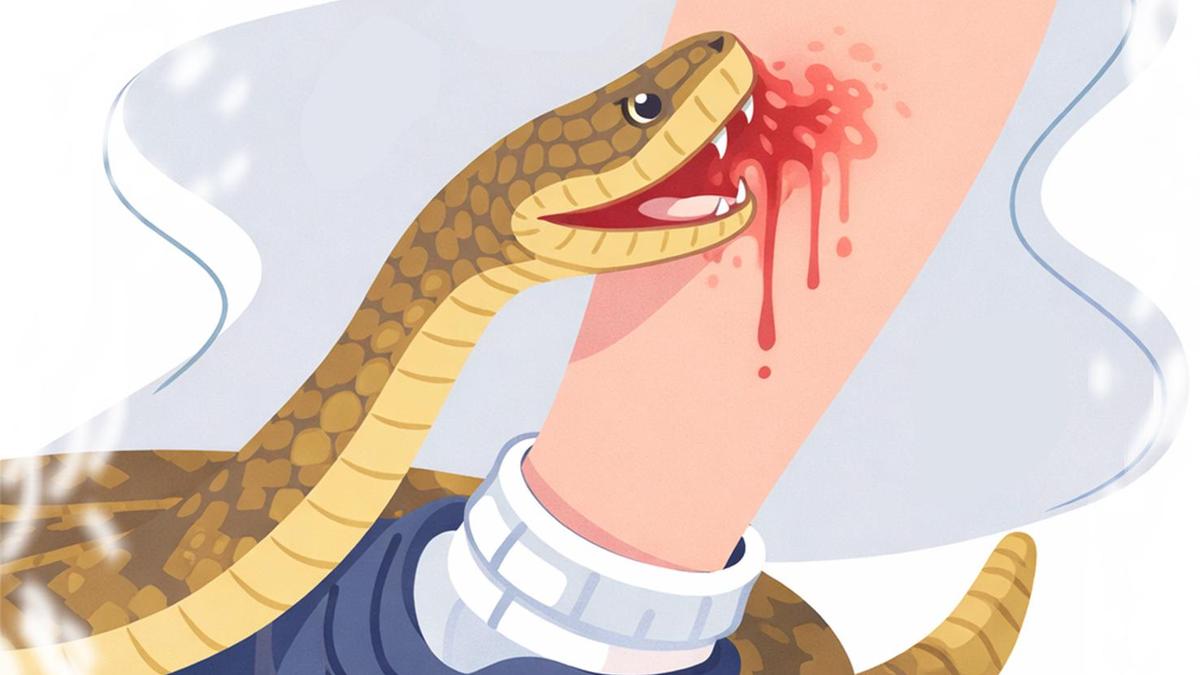
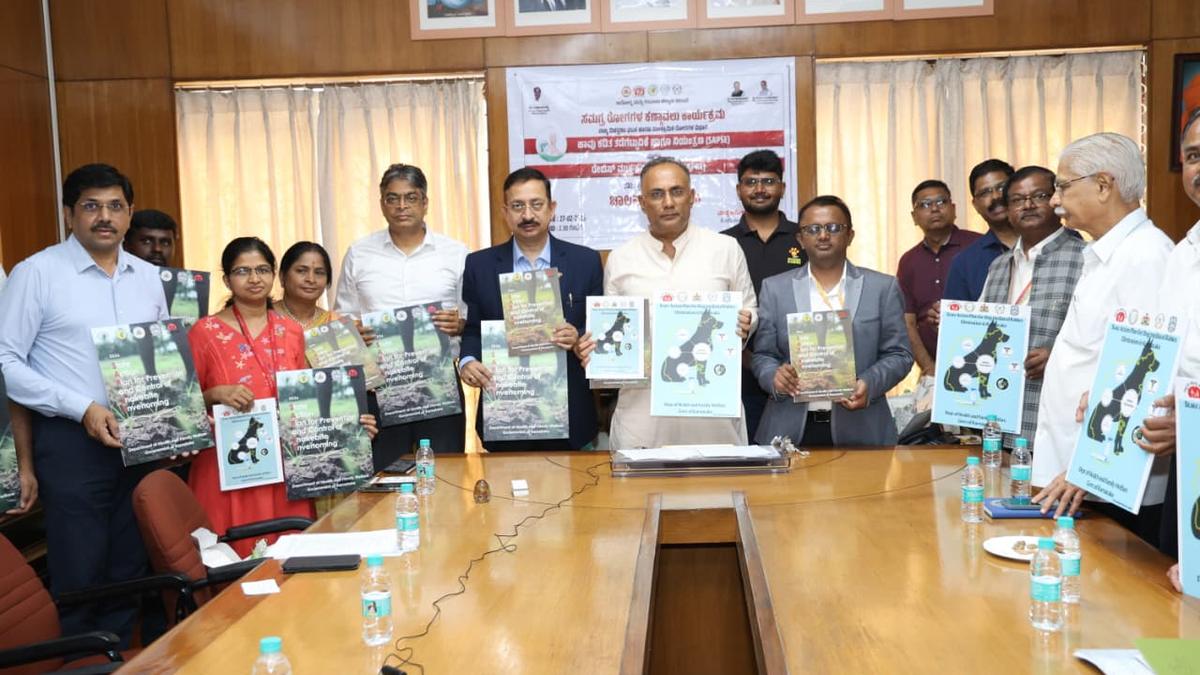
n October 10, following in the footsteps of Karnataka and Tamil Nadu, Kerala declared snakebite envenomation a disease of public health importance under the Kerala Public Health Act, 2023. This notification is in accordance with the Centre’s directive to implement the 2024 National Action Plan for Snakebite Envenoming, an initiative to halve snakebite-related deaths in India by 2030. Of the nearly 78,600 snakebite deaths annually reported worldwide, over 64,000 deaths occur in India, according to a study published in the peer-reviewed journal, Nature Communications, in 2022.
Dr. Ajan M.J., Assistant Director, Health and Family Welfare Department, who is the State nodal officer for snakebite envenomation management, says the notification will enable more accurate tracking of snakebite cases, including their frequency, severity, and geographic spread. “This, in turn, will provide clearer epidemiological insights by revealing trends, hotspots, and vulnerable populations. More importantly, it will help us ensure adequate stock of ASV (anti-snake venom) in high-incidence regions and in boosting hospital readiness,” he says.
This moment did not appear out of nowhere. It was shaped, painfully and irrevocably, by a sequence of events that forced the State to confront the cost of human-wildlife conflict.