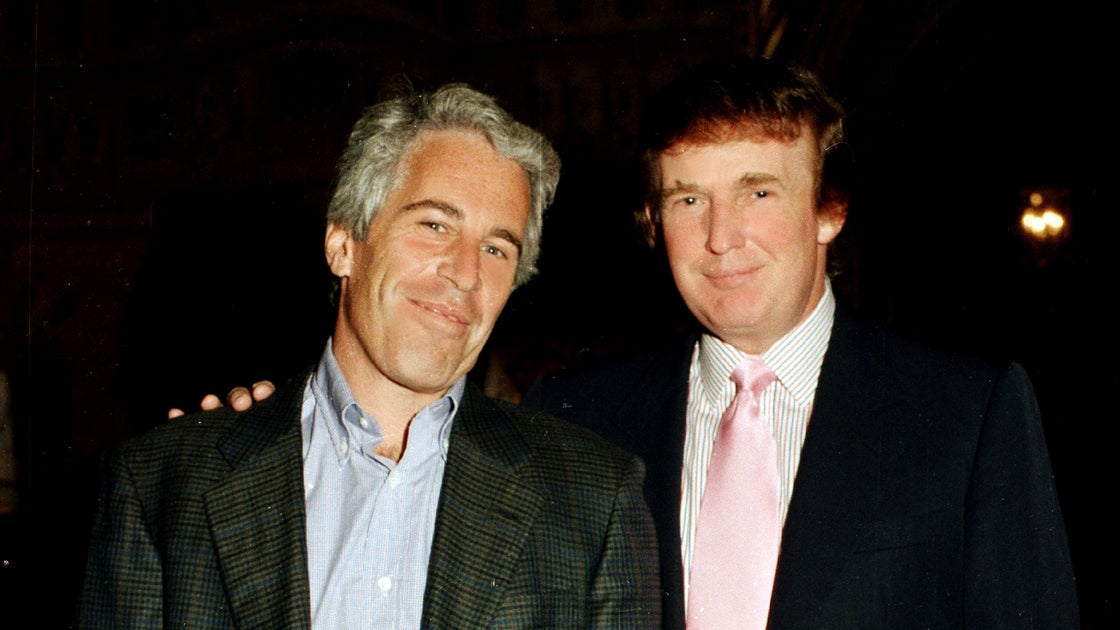
Congress on Nov. 18, 2025, passed legislation that calls on the Justice Department to release records related to Jeffrey Epstein, the late convicted sex offender. Those records on the federal investigation of Epstein and his accomplice, Ghislaine Maxwell, have brought renewed attention to sex trafficking.
Alfonso Serrano, a politics editor at The Conversation, spoke with Kate Price, an associate research scientist at the Wellesley Centers for Women at Wellesley College, where she studies child sexual exploitation and child sex trafficking policy.
What is child sex trafficking and how does it differ from other kinds of trafficking?
It is a child being traded for sex via force, fraud or coercion. These are children who are under the age of 18. Often what happens, in terms of victim blaming, if a child is, say, 15, 16, 17, there's this level of blame from perpetrators, the media, relatives, law enforcement, jurors: "She knew what she was doing." I recently heard this with the Epstein files back in the news: "He wasn't into like 8-year-olds. ... There's a difference between a 15-year-old and a 5-year-old." That's not true. Children cannot make decisions that adults can. Neuroscience shows that children's brains are not developed until their mid 20s. Children do not have the same decision-making capacity. That very vulnerability is what is preyed upon by perpetrators.