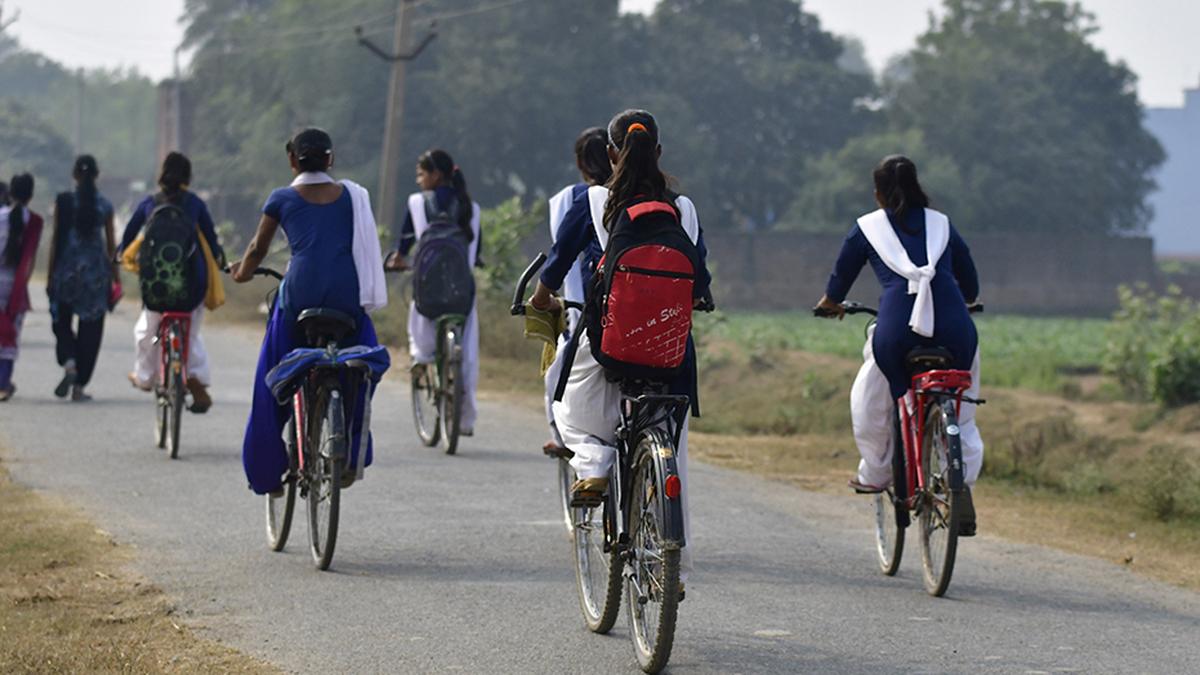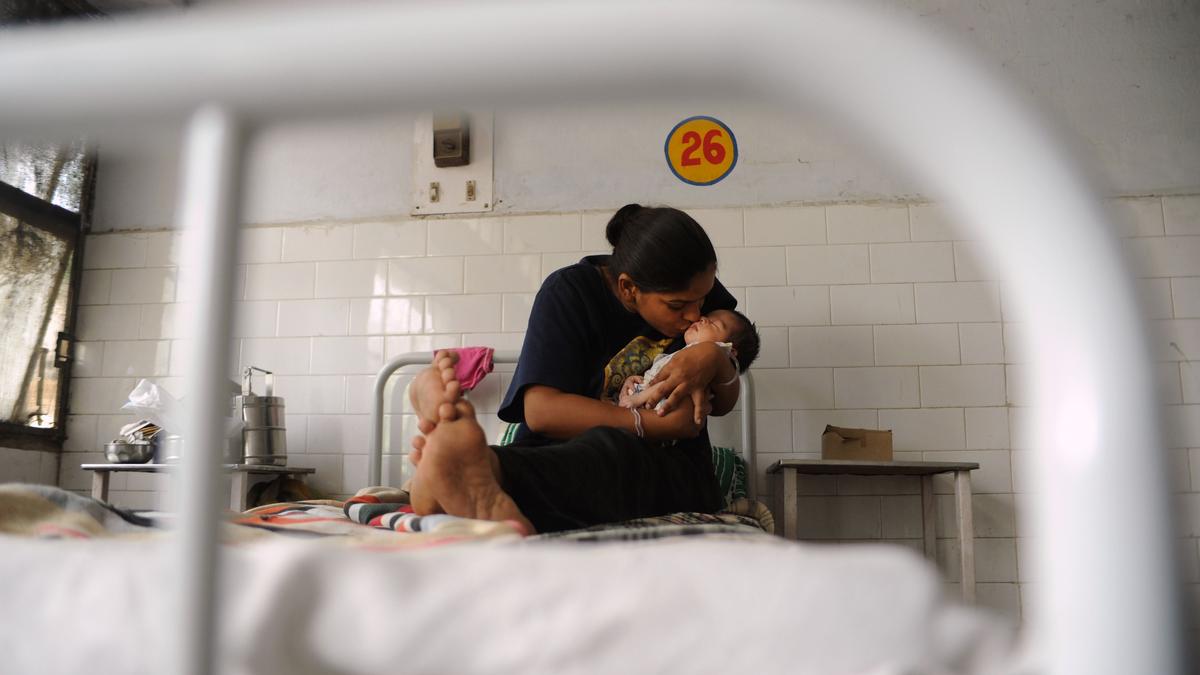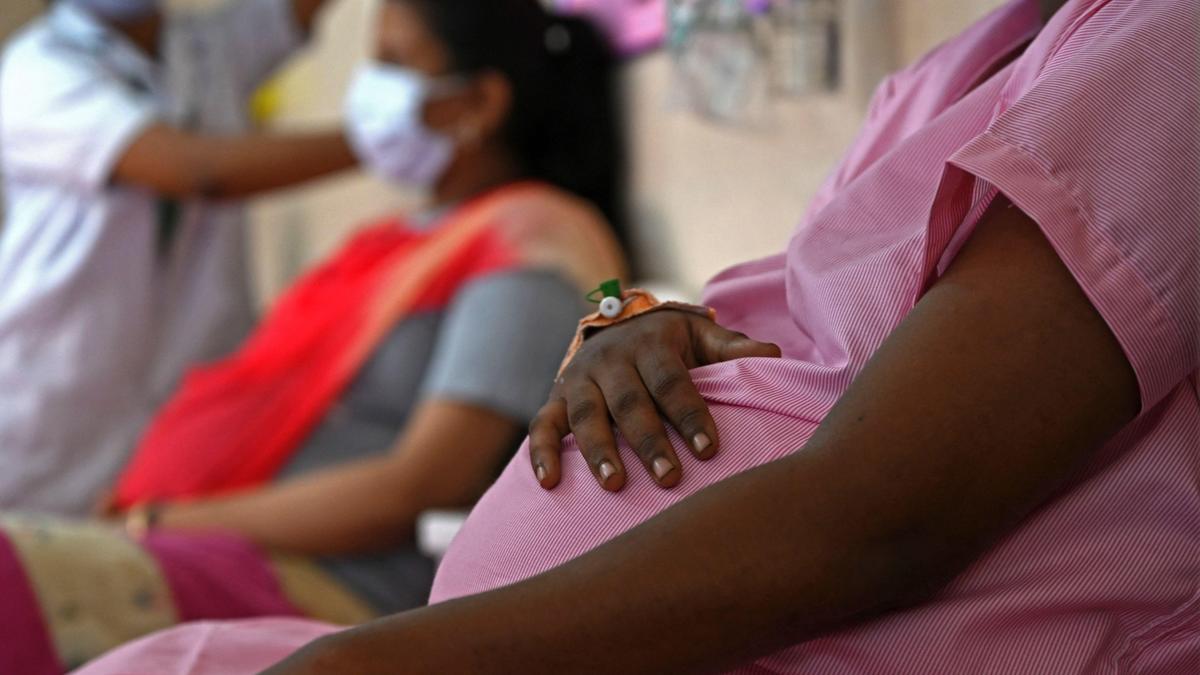
Following the key initiatives taken by Kanniyakumari district administration, the number of females per 1,000 males has reached 989.4 between April and October in the district, while the number stood at 958.5 females per 1,000 males during corresponding period last year.
According to the data provided by the health department, the sex ratio at birth in the district was 973.9 in the financial year 2023-2024 and 960.5 in 2024-2025. However, between April and October this year, the district has achieved 989.4, a figure expected to improve the overall sex ratio for the current fiscal year 2025-2026.
Gender biased practices such as selective abortion, social pressure for a male child and the misuse of technologies for sex determination remain some of the major factors affecting sex ratio at birth.
Although Kanniyakumari district being one of the most literate districts in Tamil Nadu, the district still struggles to cross the benchmark of 1,000 females per 1,000 males. To achieve this target, the district administration, in partnership with the health and social welfare department are taking several measures, including the regular monitoring of pregnancy registration at Primary Health Centres (PHC), Urban Primary Health Centres (UPHC) and door-door inspection by Village Health Nurses (VHN), analysing the time gap between two pregnancies and others.