H
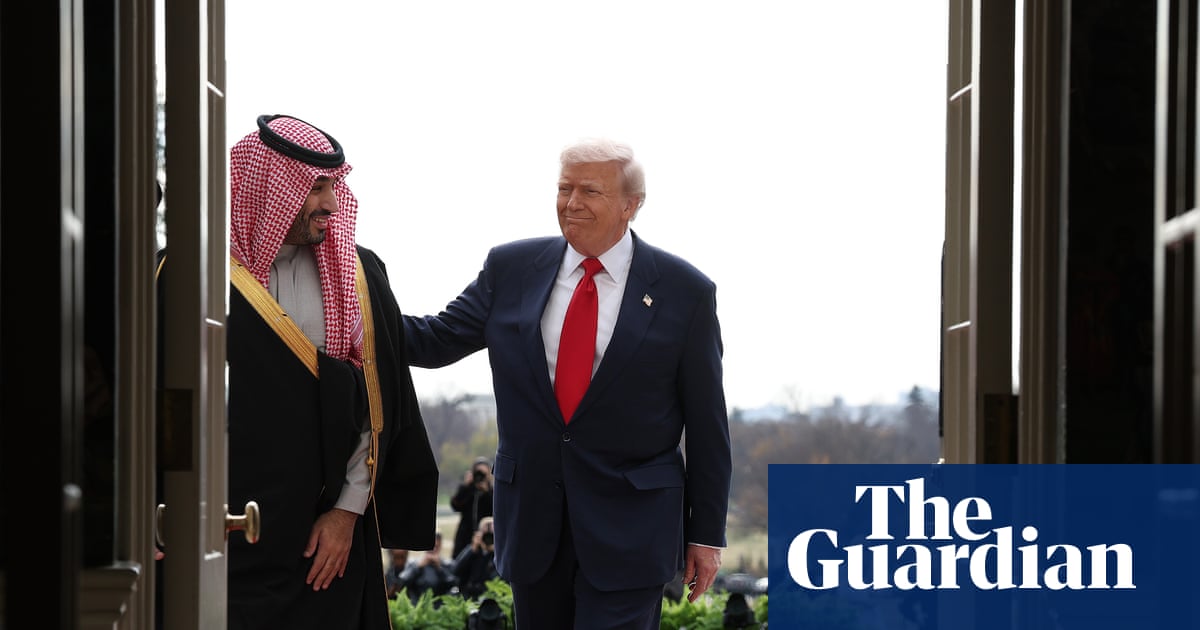
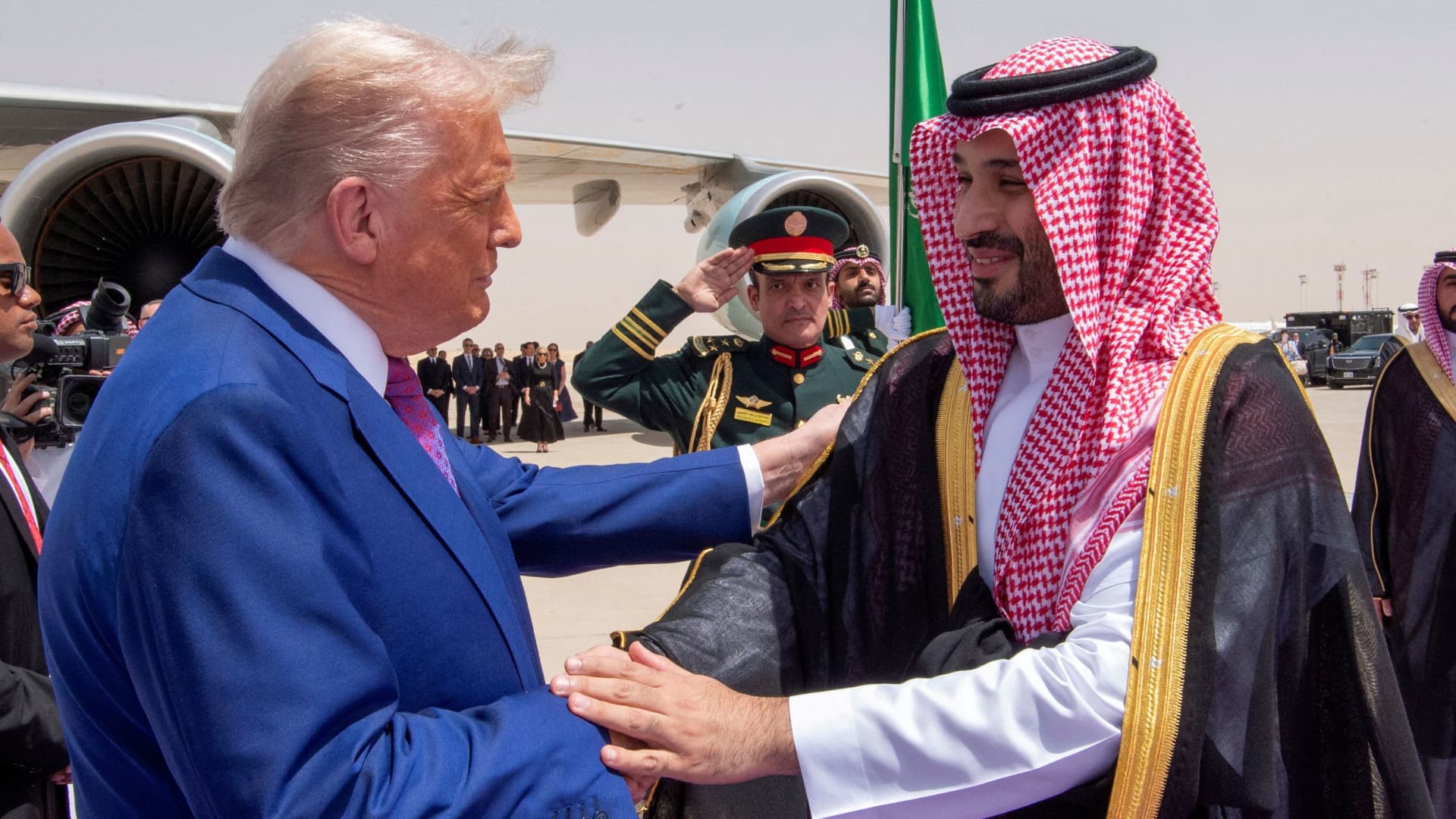
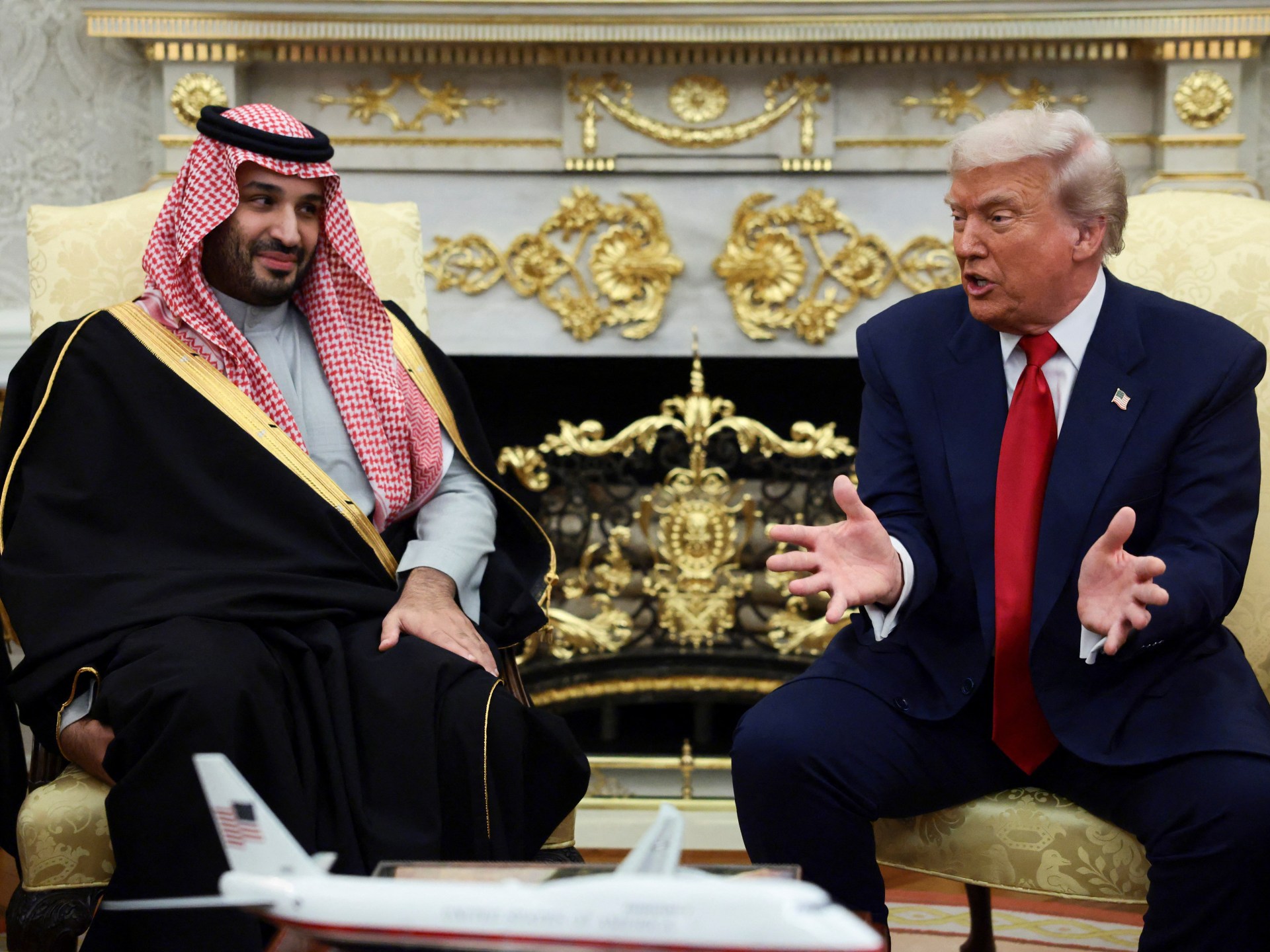
ad the USS Quincy been anchored in the Potomac, it would have certainly added a significant historical dimension to the Saudi crown prince's visit to Washington on Tuesday, November 18. It was on the deck of this cruiser that President Franklin Roosevelt, returning from the Yalta conference in Crimea, received King Abdul-Aziz Al Saud in February 1945, between the Suez Canal and the Red Sea. Historians remain cautious about the specifics of the agreement reached during that meeting, in which the United States promised security to the young kingdom, founded in 1932, in exchange for access to its hydrocarbon resources. Nonetheless, the meeting became the symbol of the birth of relations between the two countries.
Decommissioned in 1973, the cruiser ended its days long ago in a port in Oregon, where a scrap dealer valued its thousands of metric tons of steel more than its place in history. If a new "Quincy Pact" were to be established 80 years after the – more legendary than factual – original, it would in any case be vastly different.
The fragile kingdom of yesteryear has little in common with the regional power it is today. The US, which was then preparing to build a world order based on rules, is now preoccupied with trampling what remains of those rules. Meanwhile, it seeks to maintain its position as the world's leading military power – a status that China now challenges, already boasting far more warships.