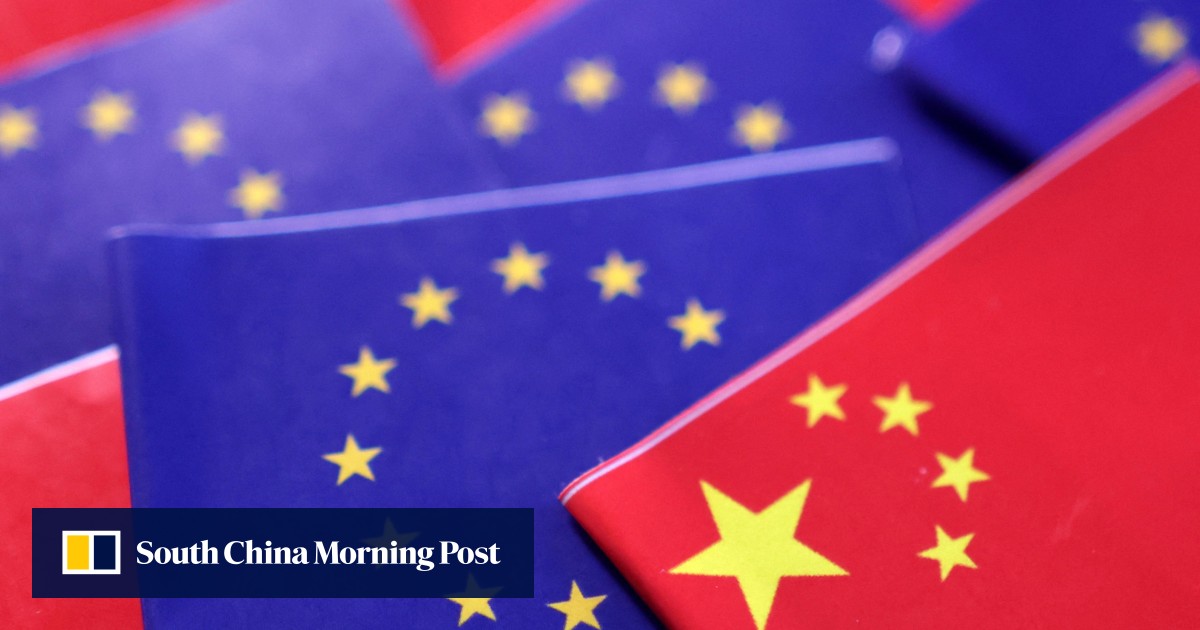
Like the U.S., Europe is also feeling the pressure to keep China sweet in order to maintain supplies of rare earth elements, which are vital for its strategic industries in the region such as auto production, green energy and defense.
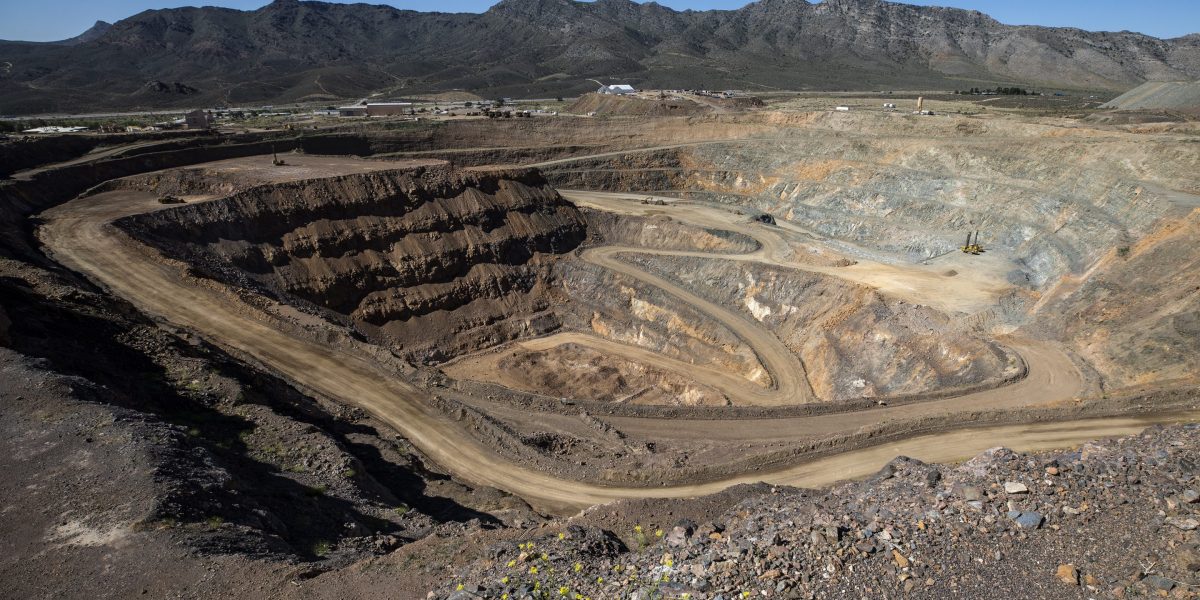
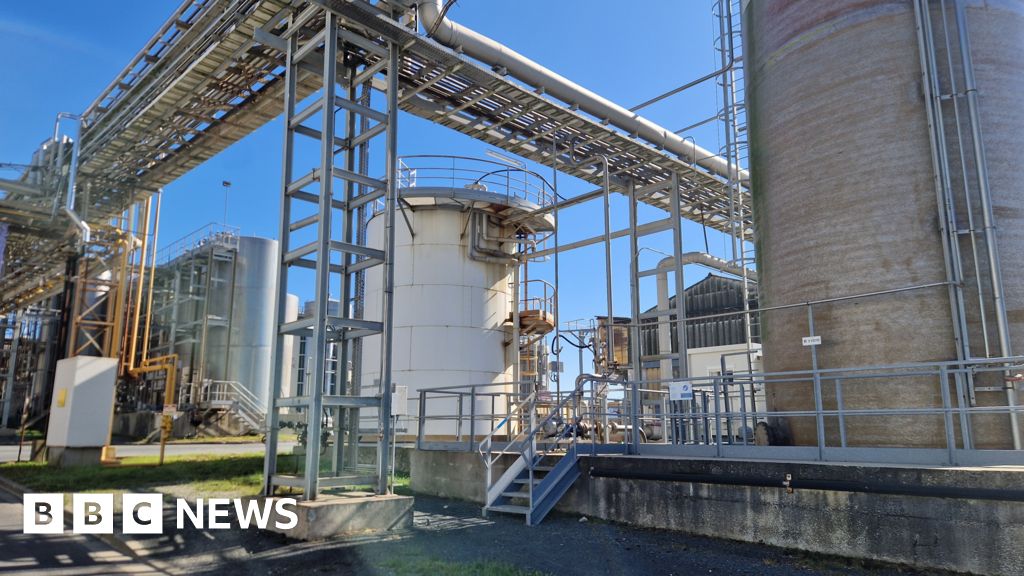
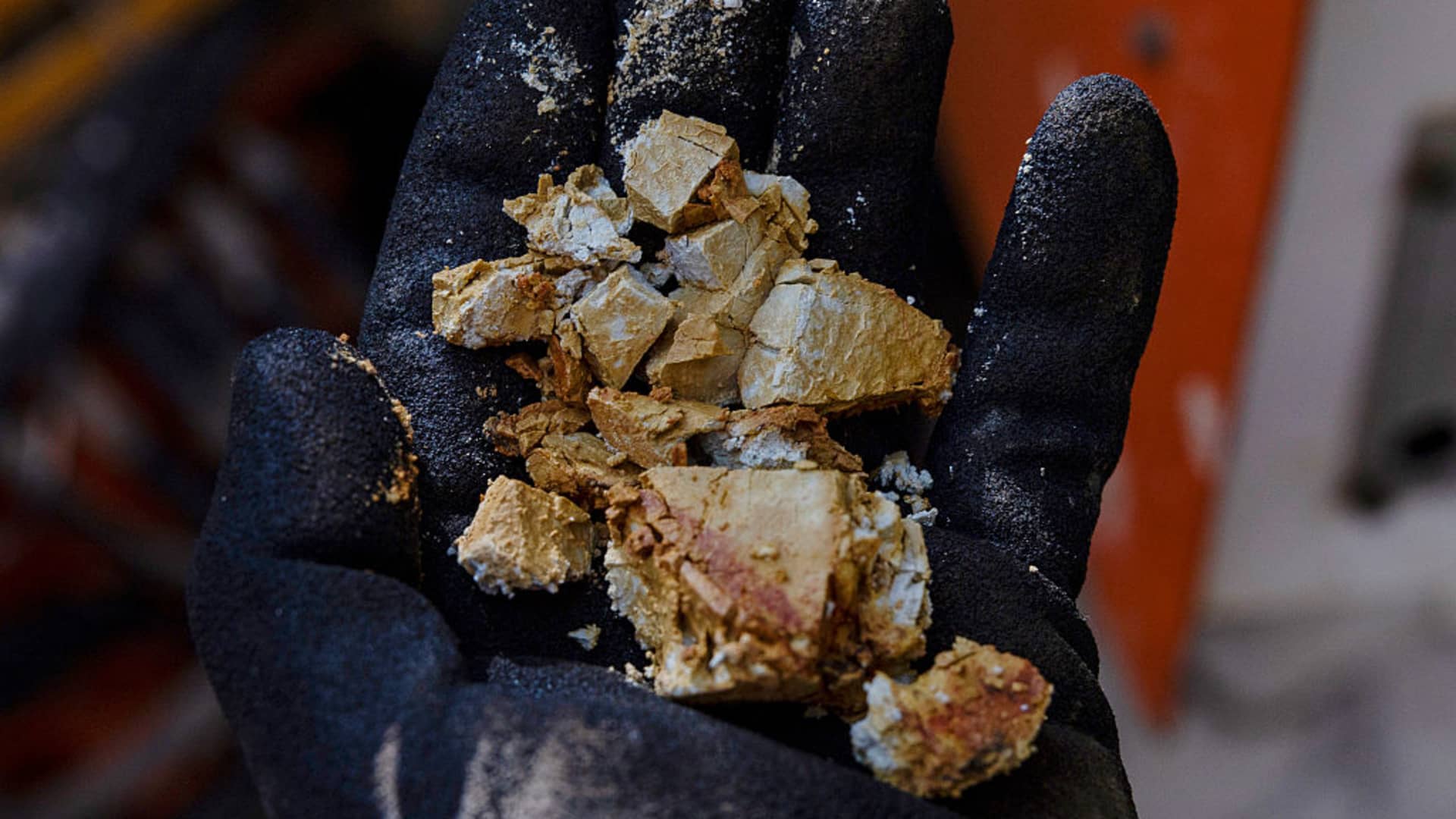
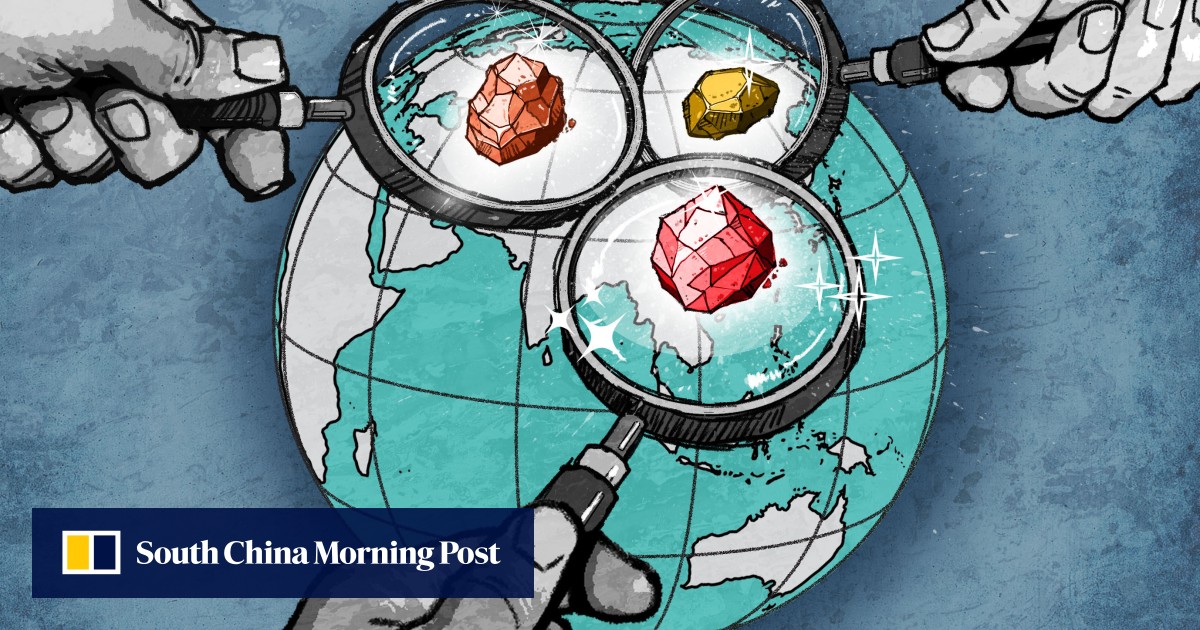
Europe is heavily dependent on China for supplies of the world’s 17 rare earth elements and has been looking to calm stormy waters with Beijing over supplies, while looking for alternative sources of critical minerals — including in its own back yard.
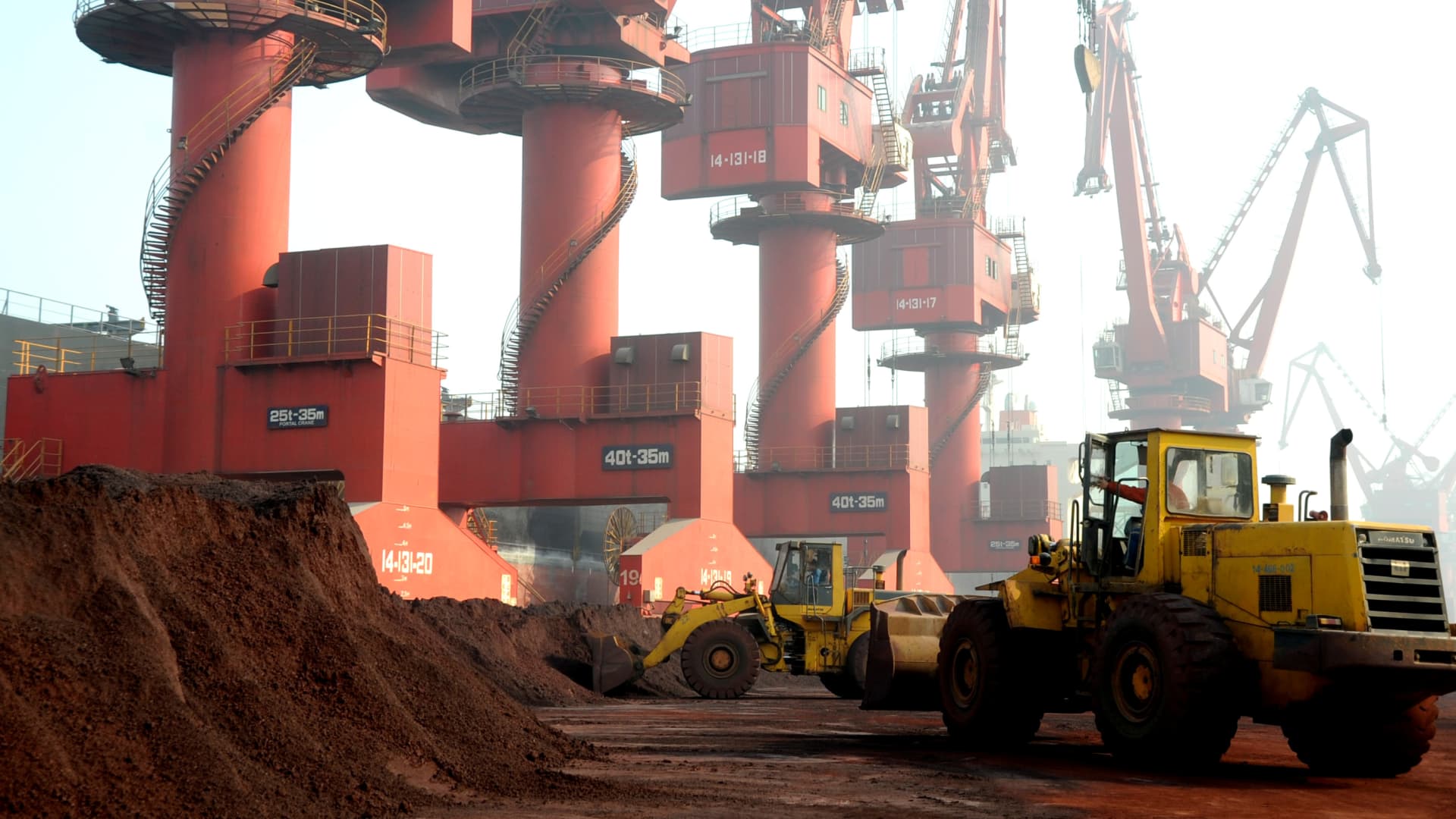
That’s a long process, however, and for now, Europe is as vulnerable as other major consumers of rare earths, and particularly the U.S., when it comes to Beijing’s ability to turn the tap off on supplies.
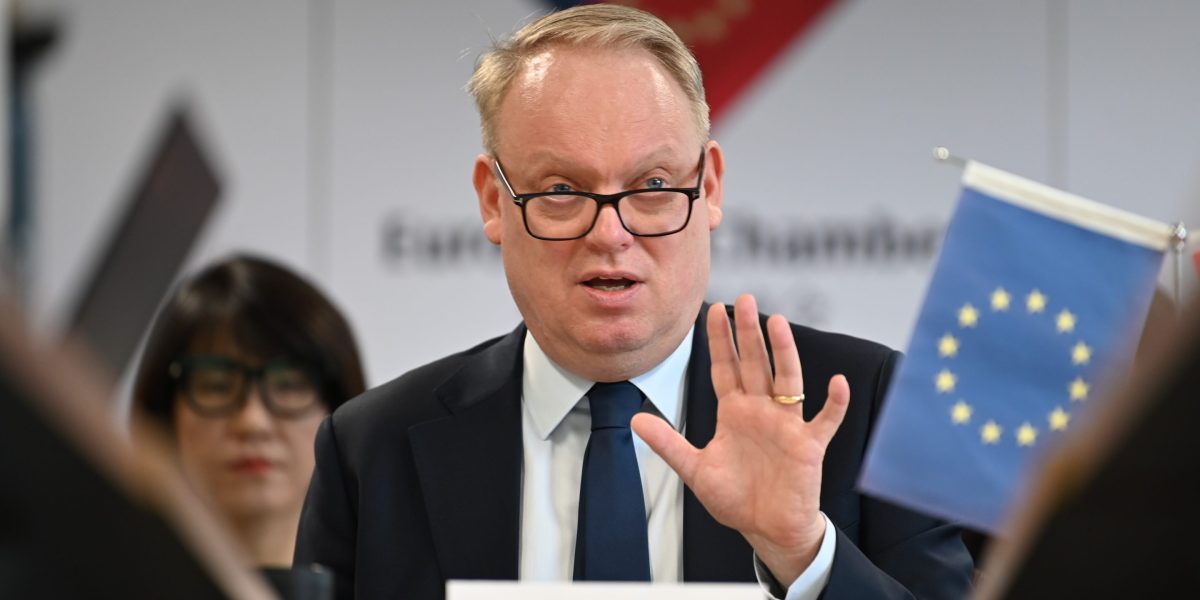
Officials from Germany and the Netherlands are in Beijing this week for talks with their Chinese counterparts on China’s controls on rare earths exports and semiconductor chips which have made European industries vulnerable to global supply chain disruptions.
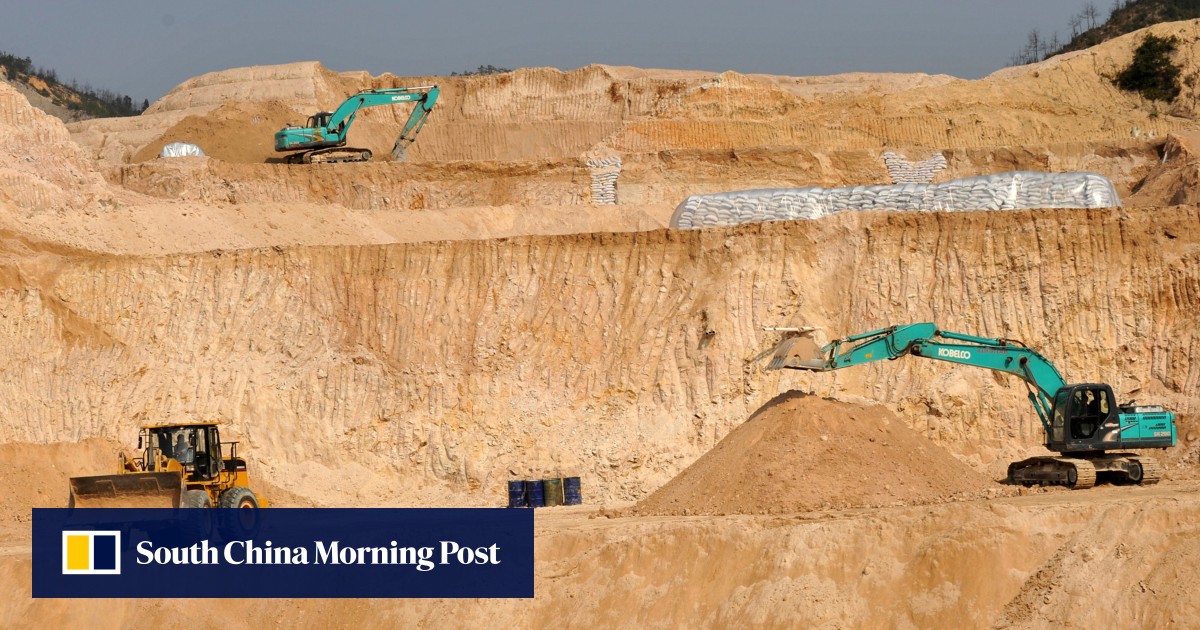
China dominates the rare earths market from mining to refining, with data from the International Energy Agency showing that, in 2024, China was responsible for 59% of the world’s rare earths mining, 91% of its refining and 94% of the manufacuring of permanent magnets which are commonly used in electric vehicles, wind turbines, industrial motors, data centers and defense systems.