ByPhoebe Liu,
Forbes Staff.
M
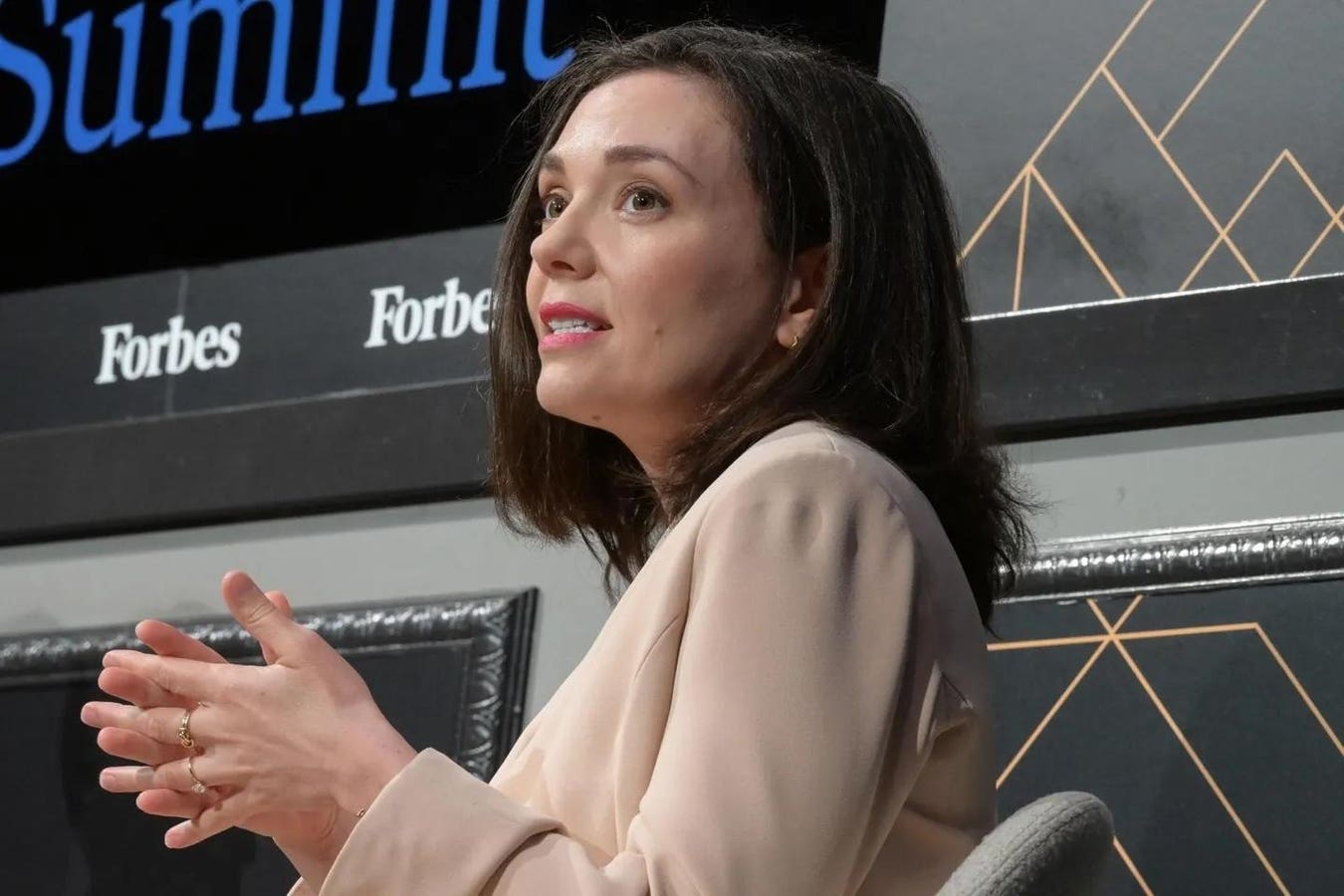
ore than a decade ago, when Cari Tuna and her husband, billionaire Facebook cofounder Dustin Moskovitz, started to explore how they’d give away the vast majority of their wealth (now some $20 billion) during their lifetimes, they took an effective altruist’s view of things. Instead of donating to the causes they were most passionate about, they decided to give to those likely to create the greatest impact per dollar. In support of that they cofounded Open Philanthropy and funded everything from the Malaria Consortium to the Center for AI Safety—but they largely did it themselves. And that was never really the idea.
So today Open Philanthropy is rebranding as Coefficient Giving and emphasizing to the public what Tuna and Moskovitz always wanted it to be: a multi-donor effort that aims to use and advise charitable donations for maximum impact. The vision was always to make this “not just for Dustin and me, but also for other donors,” Tuna says. And with Coefficient that’s in the name. “Co” reflects its status as a multi-donor organization, “efficient” emphasizes its focus on cost effectiveness, and “coefficient” is a math term for a number that multiplies the value of what it’s paired with. To date, the Good Ventures Foundation—Tuna and Moskovitz’s private foundation with $10 billion in assets—has primarily funded Coefficient Giving. As such, people often perceive the latter as “Dustin and Cari’s thing,” according to Coefficient Giving CEO Alexander Berger. Now, that’s going to change.