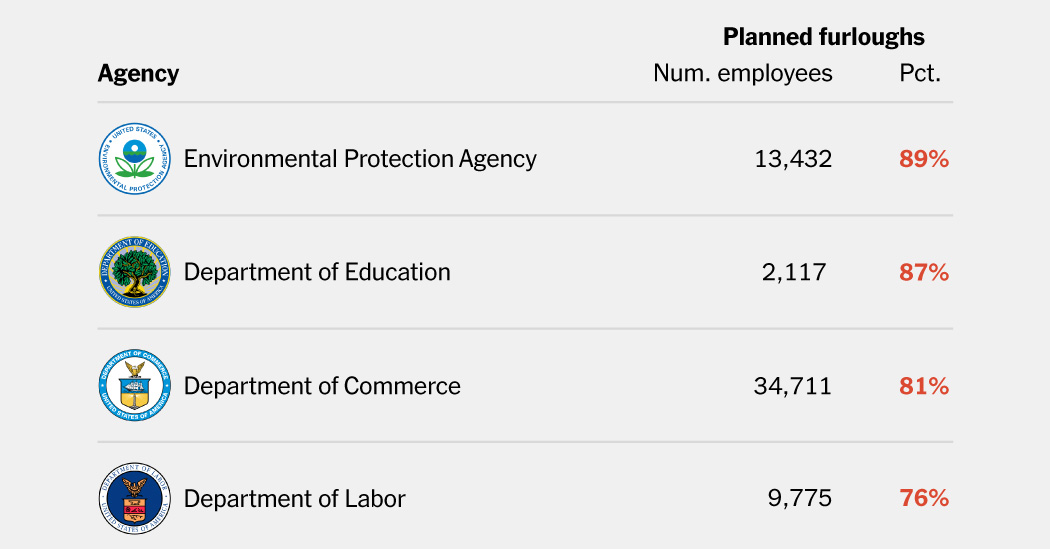
Furloughed government workers began returning to work on Thursday, but for many, especially those who will not receive pay for the work missed, there may be no return to normal.
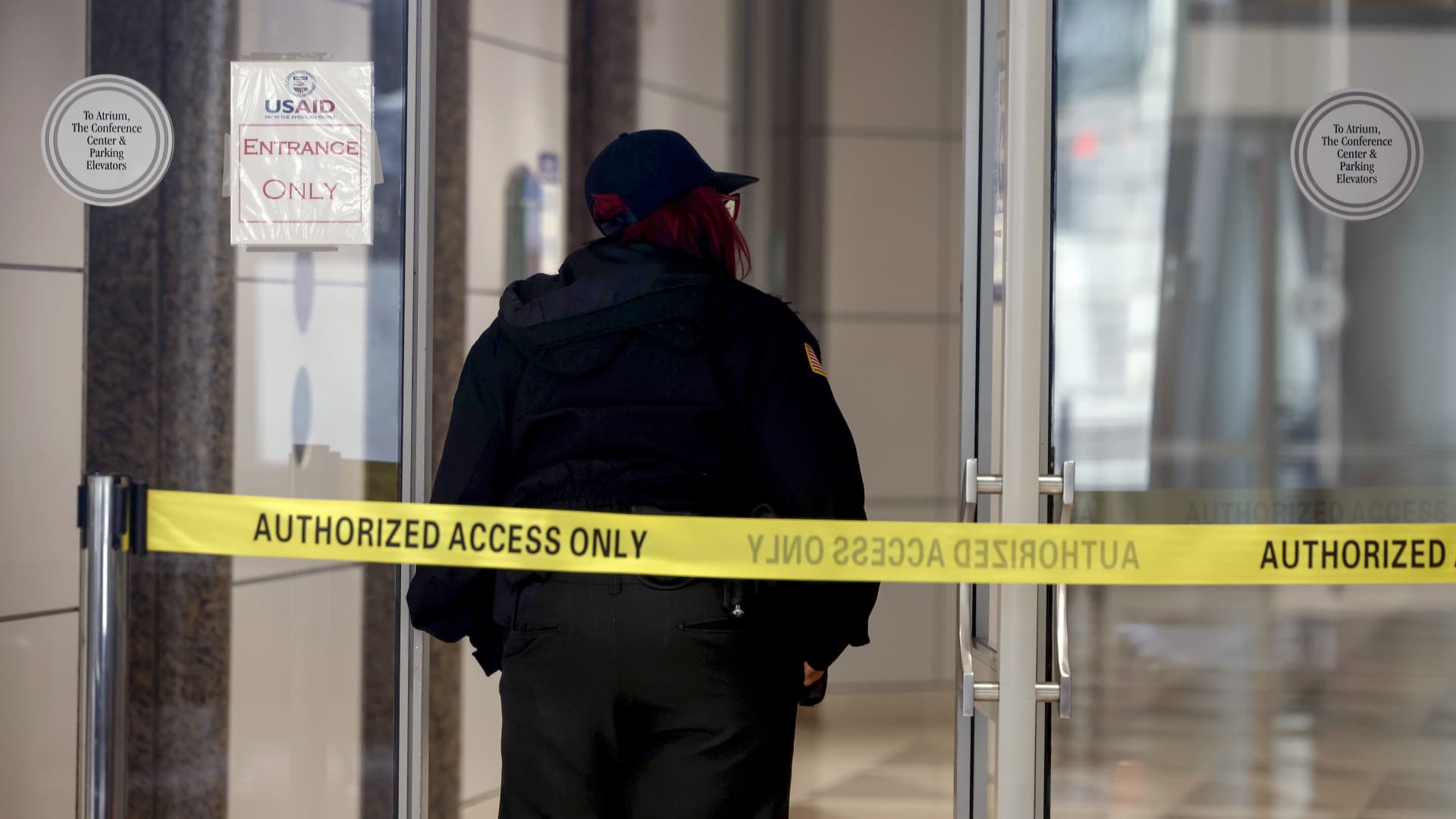
In 2018, it took 65-year-old security officer Audrey Murray — who works for a third-party federal contractor — two years to pay back money she borrowed from family members to cover her bills during the 35-day government shutdown, she told CNBC Make It in October.
After this year’s 43-day shutdown, Murray says she is back in debt with family. On top of that, she may soon face higher health insurance costs if Congress fails to pass a separate vote in December on Affordable Care Act tax credits set to expire at the end of the year.
Higher insurance premiums come January could potentially leave Murray, and others in similar positions, even further behind financially, says Jaime Contreras, executive vice president of the Service Employee International Union’s 32BJ Capital Area District, representing 2,400 federally contracted workers, including Murray.
“The one thing I want to be clear about is that this deal — frankly, a weak deal in my opinion — to reopen the government, is no cause for celebration,” Contreras says.