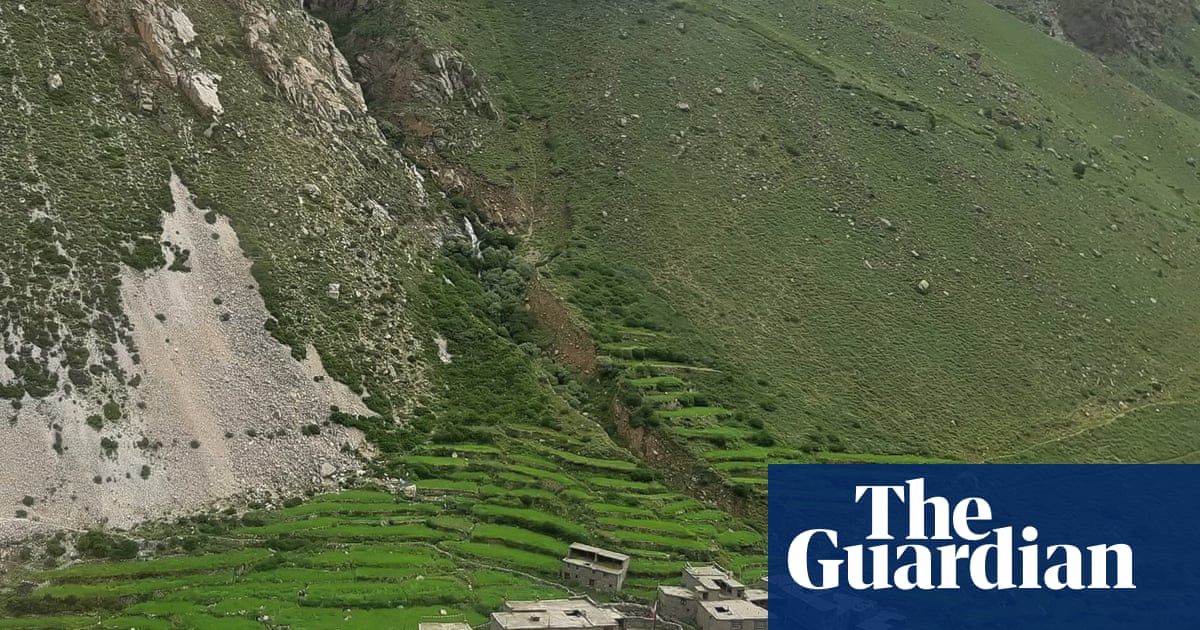
Til, the remotest of three villages in the Limi valley on the Tibetan border, was already wrestling with a dwindling population but a series of natural disasters has led many to consider where their future should be
O
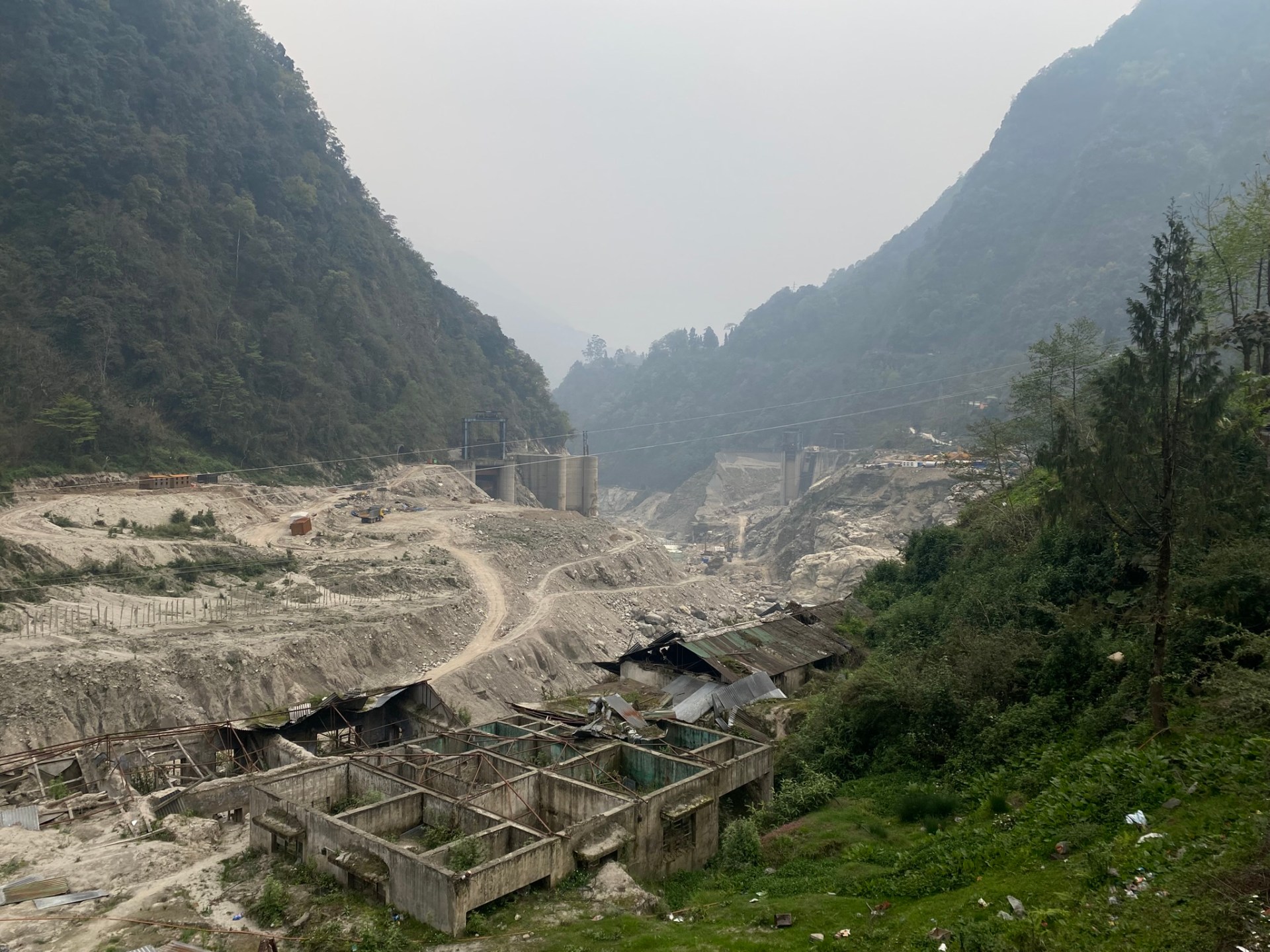
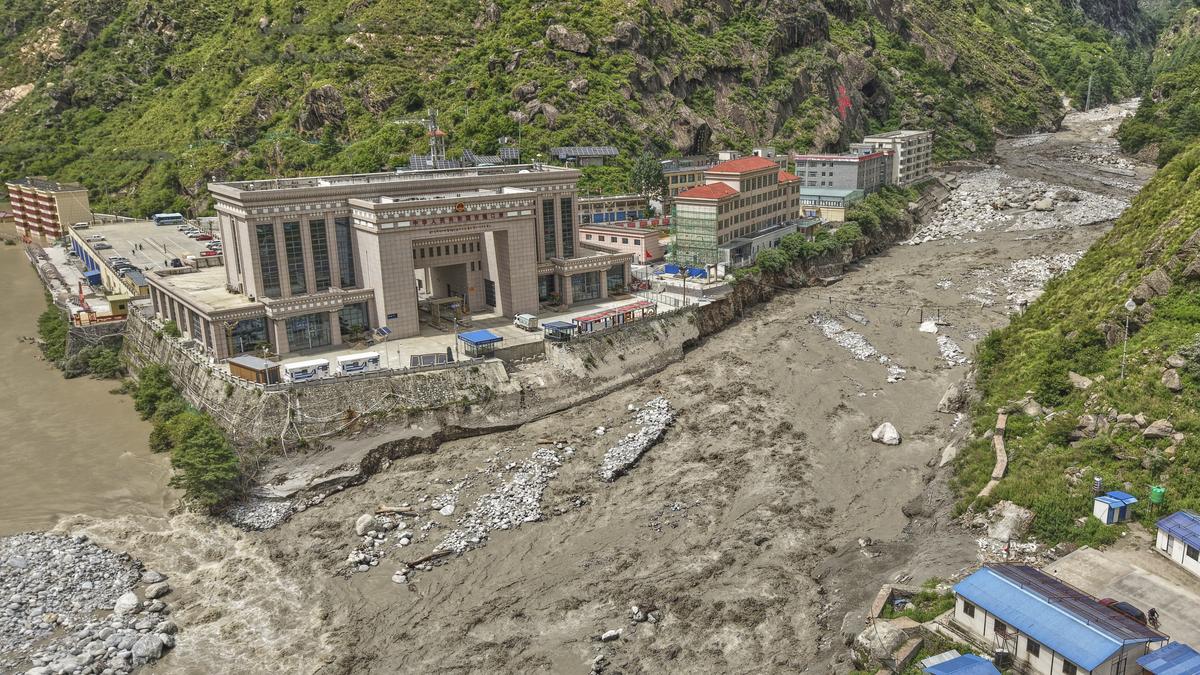
n the night of 15 May this year, the usual quiet of the Himalayan village of Til in the far north-west of Nepal was broken by a strange rumbling. Pemba Thundup came out of his house, barefoot, to see a deluge of earth, water and rocks coming down the mountainside towards the flat-roofed mud houses. The whole village was soon awake and, carrying the elderly people on their backs, members of 21 families scrambled to safety in a nearby field.
After two weeks of sheltering in tents, with no sign of any government help to rebuild or resettle, they reluctantly moved back into their broken homes, but unanimously agreed to leave the centuries-old settlement for a safer location by the end of the year.
The idea of abandoning the village would have been unimaginable a few years ago. For centuries this small, resourceful community has weathered epidemics, natural disasters and geopolitical upheavals while preserving a rich cultural heritage. But the uncertainty brought by the changing climate may be the death of it.