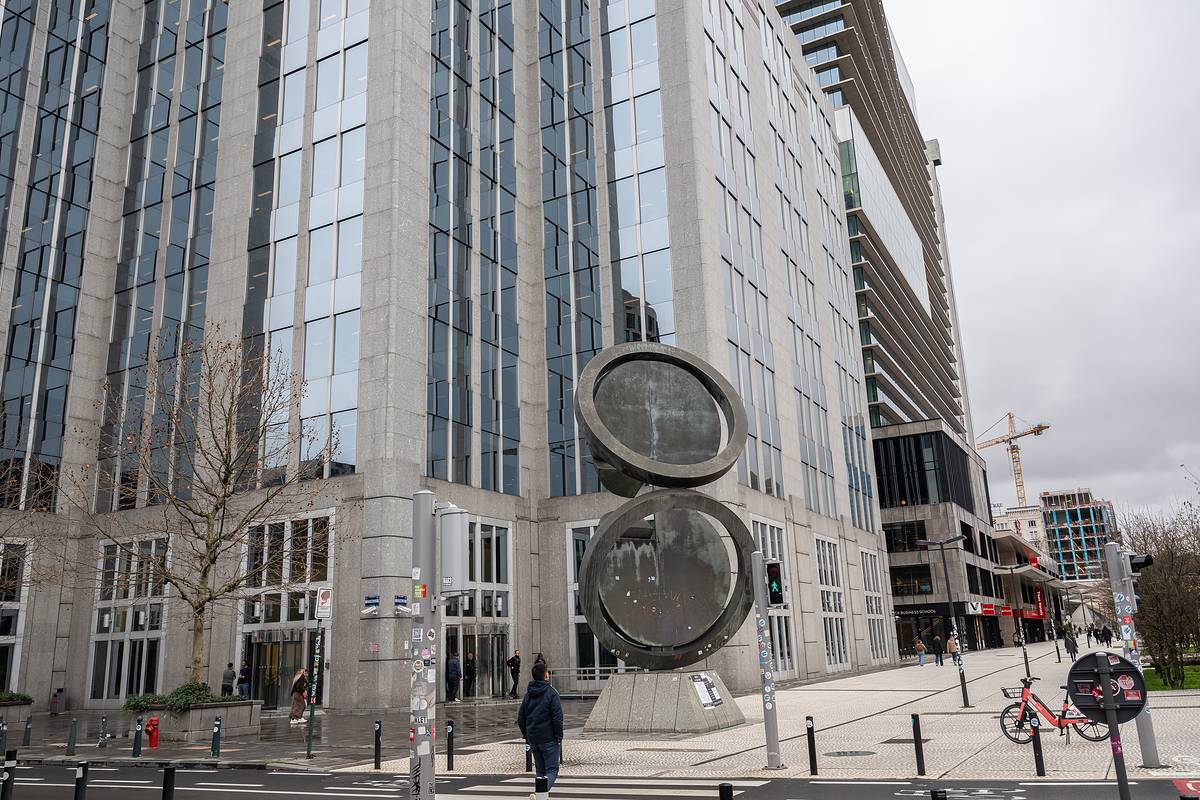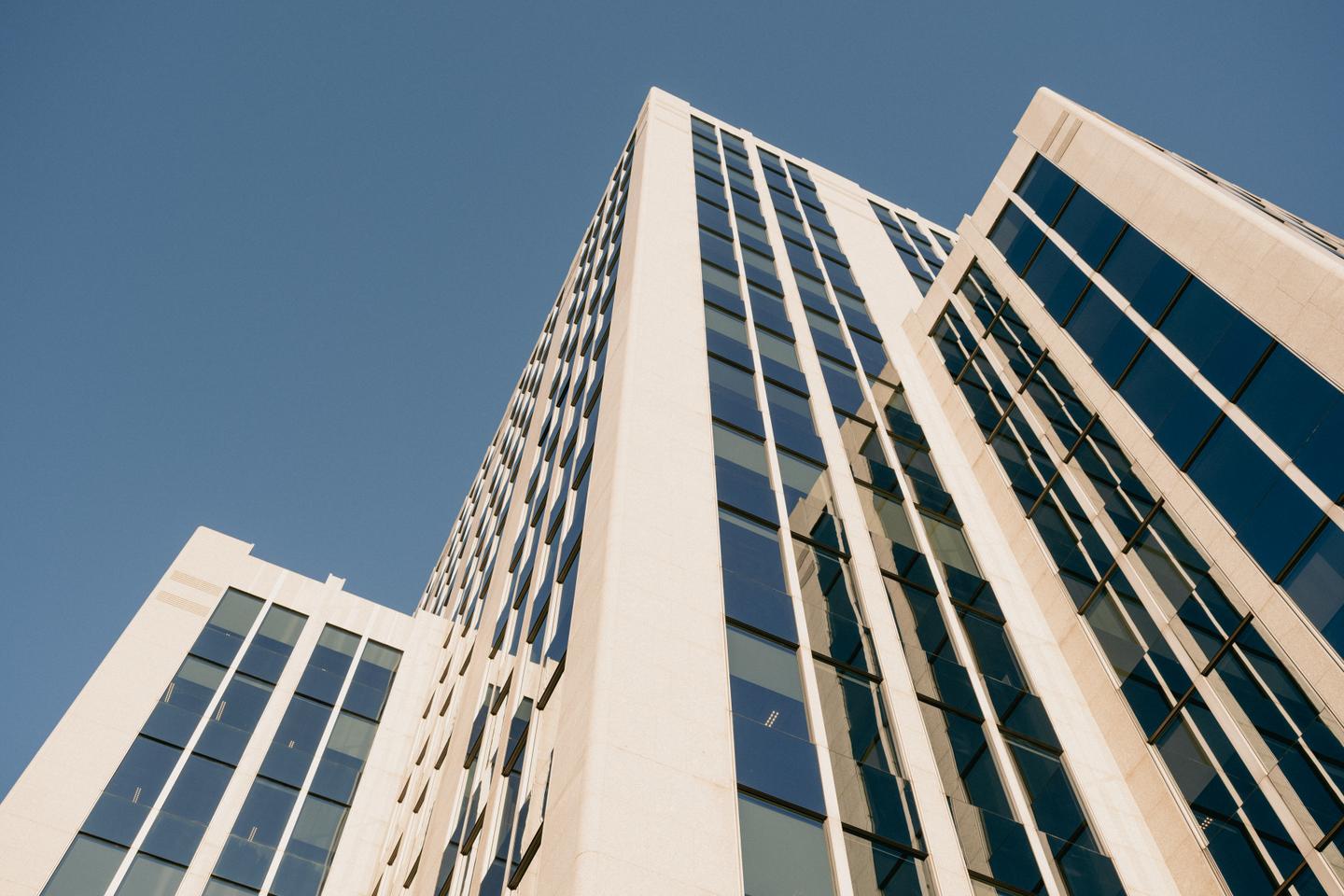
The Baudouin Tower, headquarters of the financial company Euroclear, in downtown Brussels, November 7, 2025. COLIN DELFOSSE FOR « LE MONDE »
A true paradox. By sanctioning the Russian financial system, the European Union has also ultimately penalized Russians who, opposing the Kremlin and the war, left their country after the invasion of Ukraine in February 2022 and have since lived in exile in Europe.
"An overlooked problem with harmful consequences," warned Janna Nemtsova, daughter of Boris Nemtsov, one of the leaders of the Russian opposition, who was assassinated on February 27, 2015, shot in the back on the bridge over the Moskva River, facing the Kremlin. Even today, he remains an influential liberal figure among Russian dissidents abroad. To preserve her father's memory, Nemtsova founded the Berlin-based Foundation for Freedom, which defends democracy and human rights. She has just embarked on a new campaign: to show "how the European Union's sanctions against the Russian financial infrastructure have resulted in the freezing of private capital belonging to individuals who are not under sanctions."
This "collateral freeze" is the title of her latest report, which has been widely shared on the social media accounts of Russians in exile since its publication on October 29. Nemtsova touched a sensitive and painful point for many opposition figures who have sought refuge in Europe, finding themselves collateral victims of sanctions. The European Union (EU) not only took measures against the Central Bank of Russia, but also against the Russian depository, the National Settlement Depository, as well as major banks and various other financial intermediaries. These entities had deposits at Euroclear; these are now frozen. In addition to the €180 billion from the Central Bank of Russia, the institution also holds €13 billion in private Russian assets.