In a clear pattern, a machine designed to generate law and order morphs into an organization operating under lawlessness
W
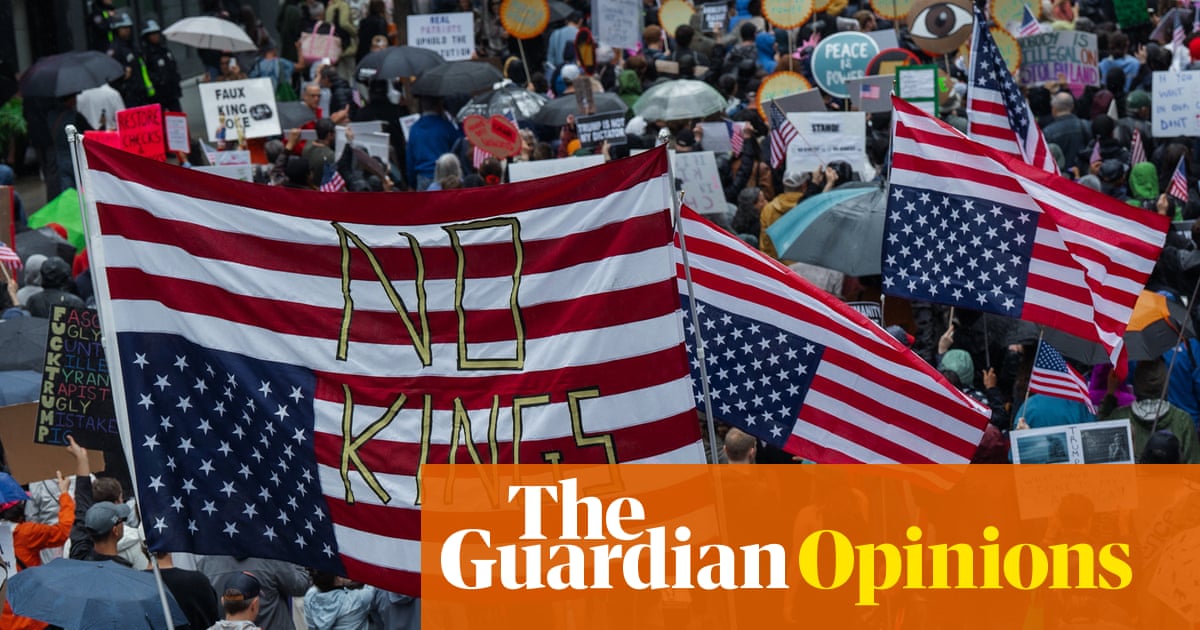
e have entered the openly repressive phase of the Trump presidency. The administration has moved beyond verbal attacks on civil society. It is now deploying coercive force against civic organizations and their leaders. While the attacks may seem contained for now, they are likely to grow. Research on other cases of democratic backsliding suggests that once coercion begins, regardless of how limited at first, escalation follows.
In the months ahead, we should thus expect more, not less, government repression. To meet it, pro-democracy organizations, universities and law firms must bravely speak up against abuses of power while building the broadest possible coalition to stand up for fundamental rights. Community, labor and advocacy groups must also train their ranks in strategic nonviolence to resist provocations from the state and make repression backfire.
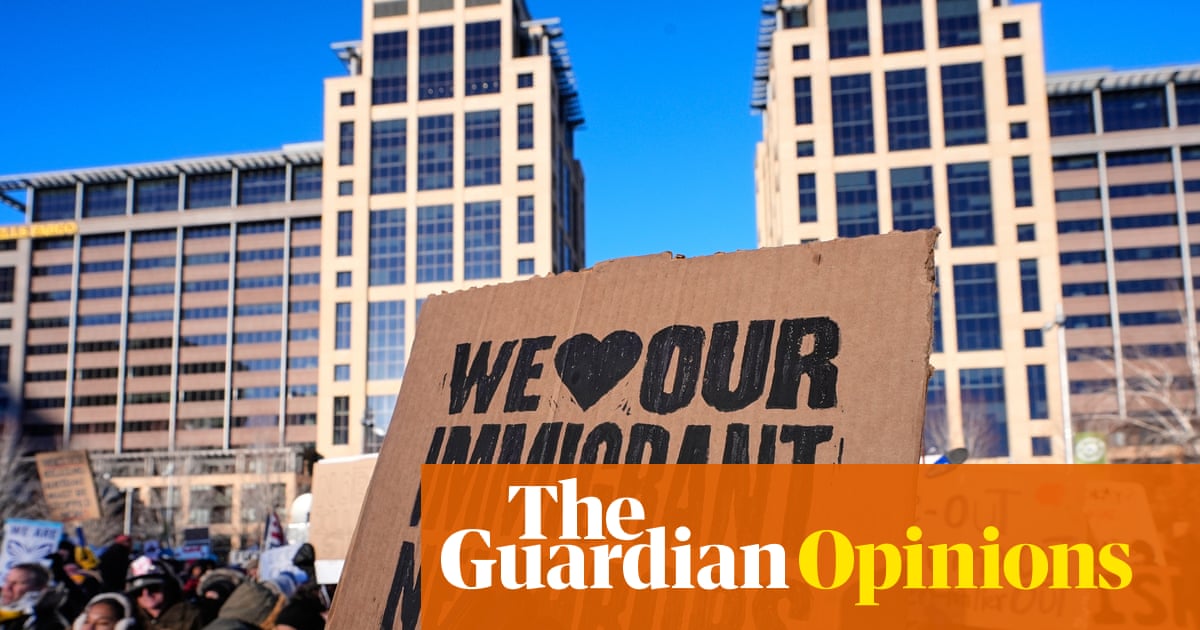
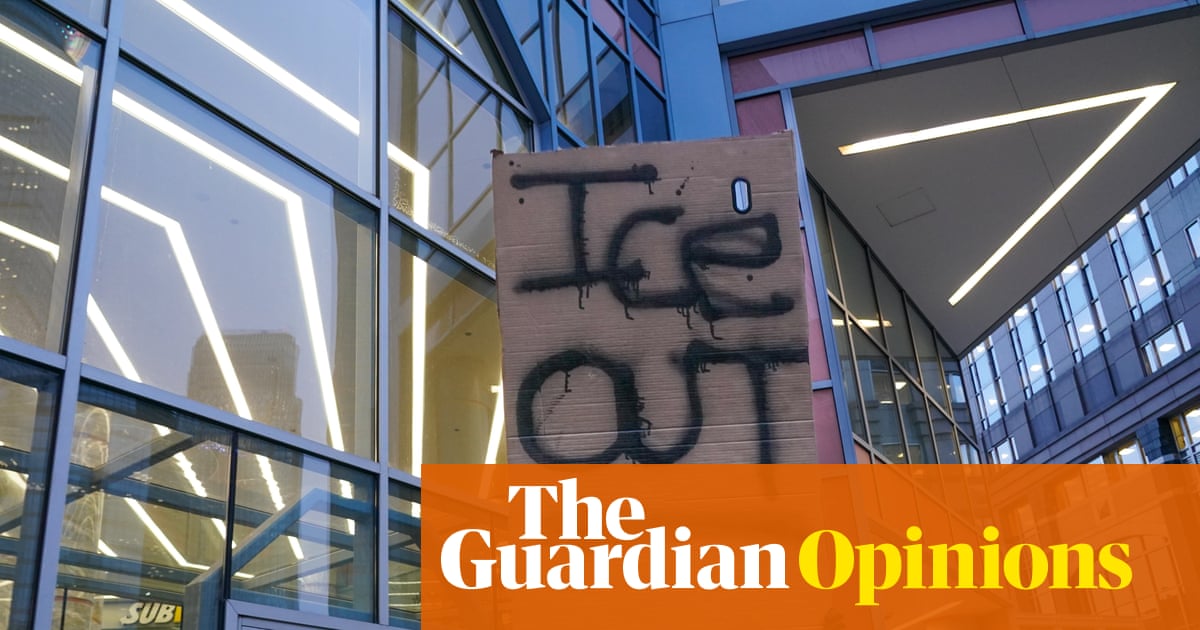
The evidence that coercion has started is abundant. Trump’s campaign promise was to use coercion primarily on undocumented immigrants. Since January, targets have multiplied. The administration began with brazen assertions of executive power to cow universities and law firms. Former FBI director James Comey and the New York attorney general, Letitia James, who tried to hold Trump to account, have been indicted (they are seeking to have the cases dismissed). The administration has designated “antifa” (a nonexistent organization) a “domestic terror” organization. National guard troops and other federal forces have been deployed in cities against the will of governors and mayors, leading to confrontations that become violent. All of this comes in addition to the turbo-charging of ICE, which is now using helicopters and chemical agents to raid communities. US citizens seen as obstructing ICE operations are being detained.