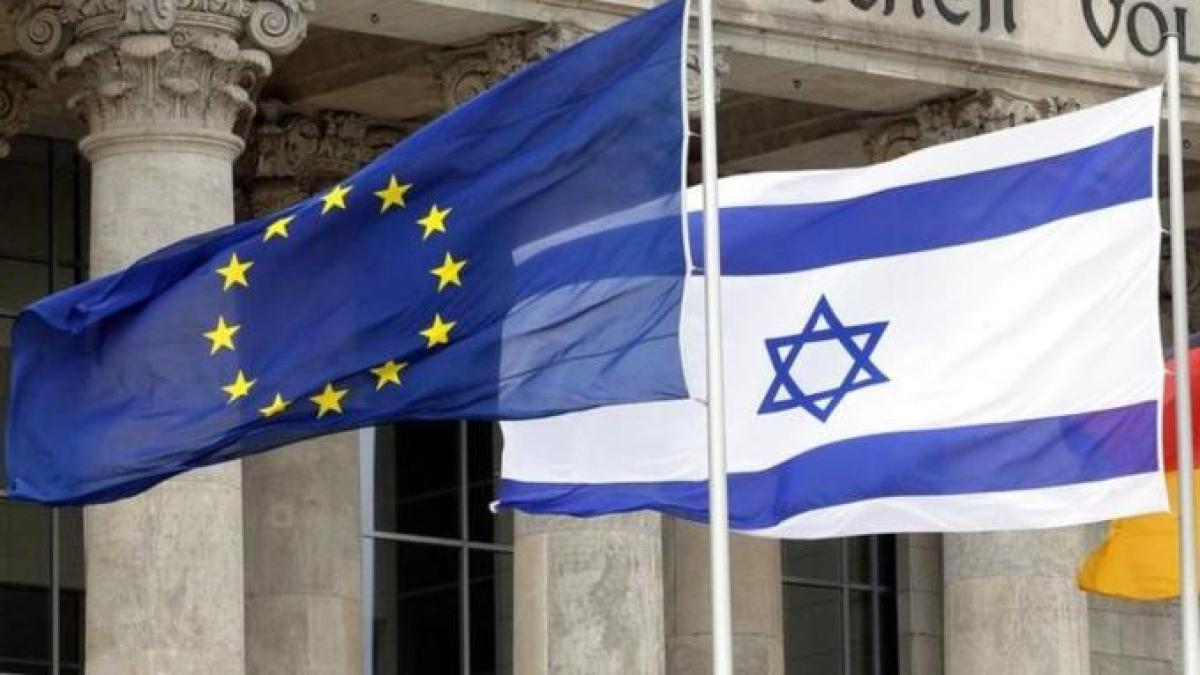
ivisions within the European Union (EU) over the Israeli-Palestinian issue once again came into sharp focus during the vote on the New York Declaration at the United Nations General Assembly on September 12. The bill, sponsored by France and Saudi Arabia, aims to serve as a "roadmap" toward "the effective implementation of the two-State solution," calling for an immediate ceasefire in Gaza and the release of all hostages, as well as the "objective of a sovereign and independent Palestinian State," one from which Hamas would be excluded.
In total, 142 states voted in favor of the bill, which was strongly opposed by the United States and Israel, as well as eight other countries, including Hungary. Hungarian Prime Minister Viktor Orban reaffirmed his refusal to endorse the EU's longstanding support for a two-state solution between Israel and Palestine.
Slovenia, which had recognized Palestine for over a year, on September 25 became the first EU state to ban Israeli Prime Minister Benjamin Netanyahu from its territory. However, the Czech Republic chose a troubling abstention, representing another form of rejection of the European consensus on the issue.
Czech leaders historically support Zionism