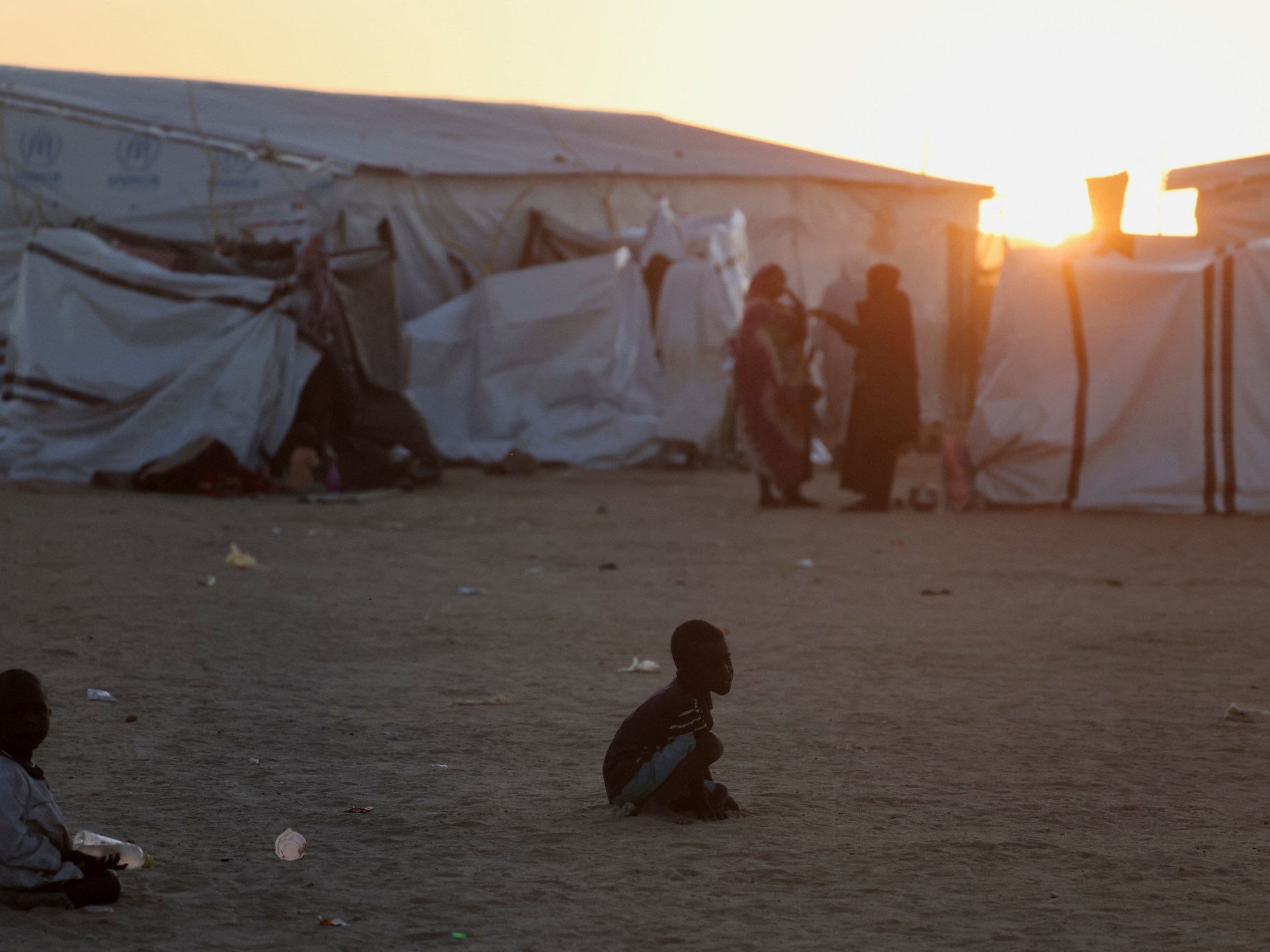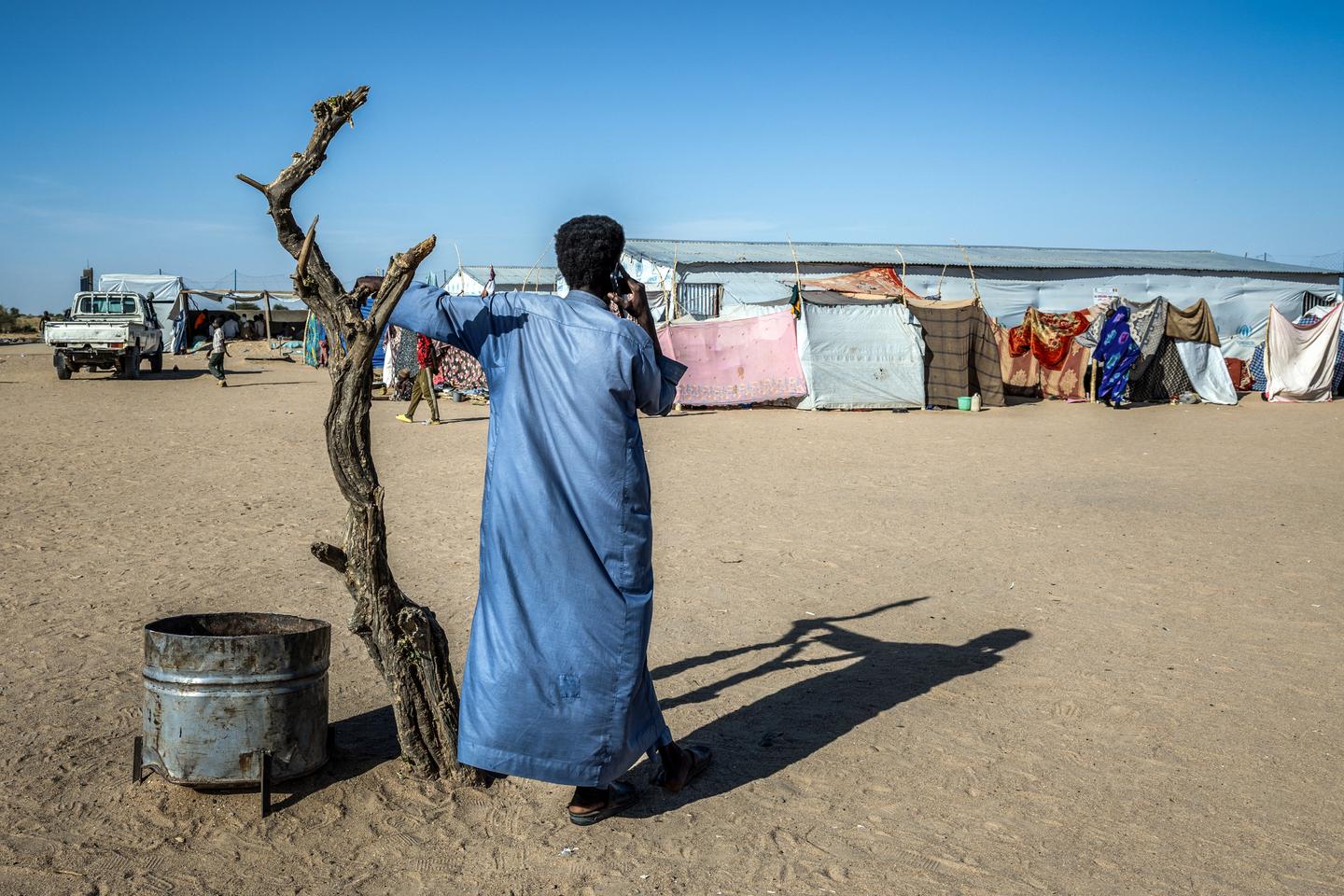
A Sudanese refugee in the Tine transit camp, eastern Chad, November 8, 2025. JORIS BOLOMEY / AFP
In Chad, crises in Sudan – especially those in Darfur, which shares a border with Chad – have not been strictly foreign affairs. For more than two decades, ever since the first war in Sudan's western province, N'Djamena has managed waves of refugees. More than 1.2 million Sudanese, according to the United Nations High Commissioner for Refugees (UNHCR), including 100,000 who arrived since April, now live in Chad. At the same time, Chad has played a direct role in the conflict, supporting armed groups as its interests and relationships with Sudanese actors dictate.
The authorities in Khartoum have also intervened directly in Chadian politics, backing most of the rebellions that overthrew the government, such as the one led by Idriss Déby in 1990, or seriously threatened it, as in 2006 and 2008.
Since the Rapid Support Forces (RSF), led by General Mohammed Hamdan Dagalo, known as "Hemedti," captured el-Fasher on October 26, massacres in the capital of North Darfur and surrounding areas, filmed and posted on social media by this paramilitary group, have not prompted any official reaction from N'Djamena.