T
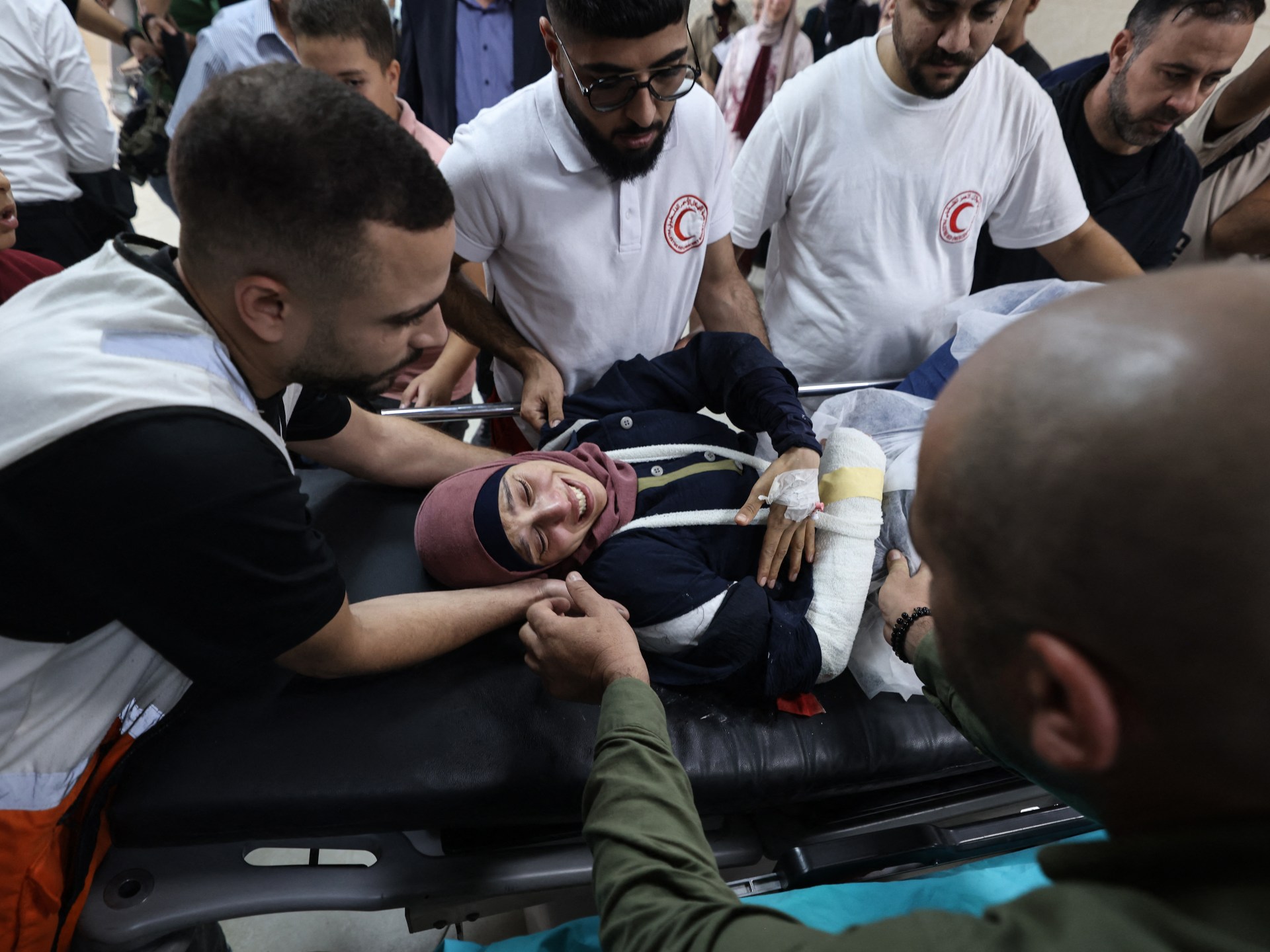
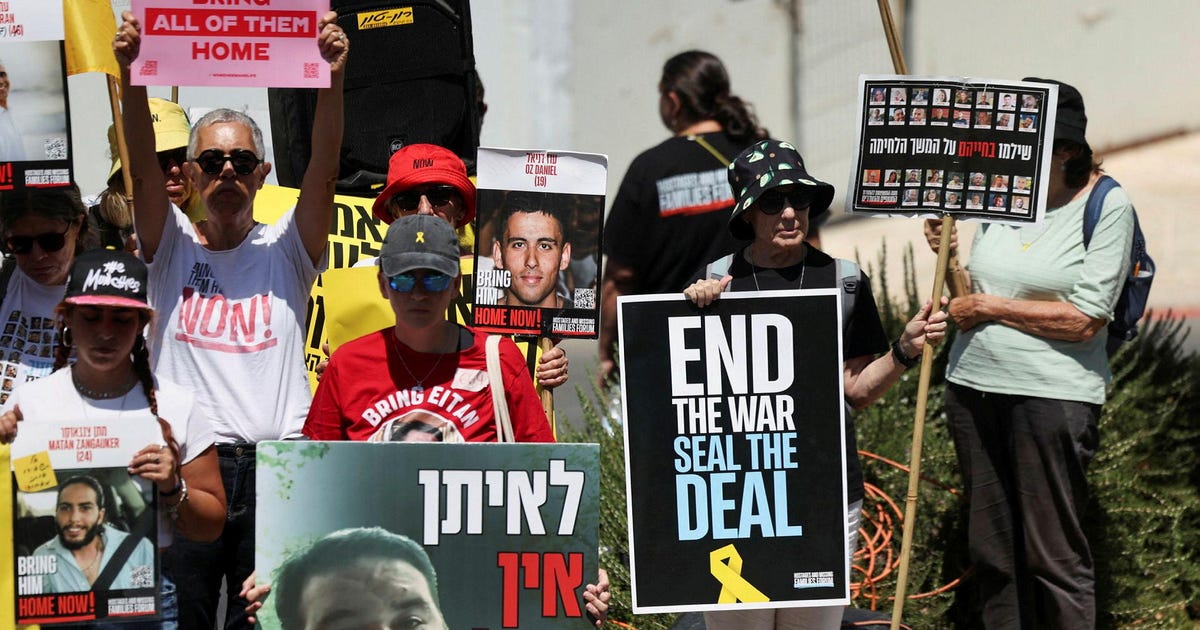
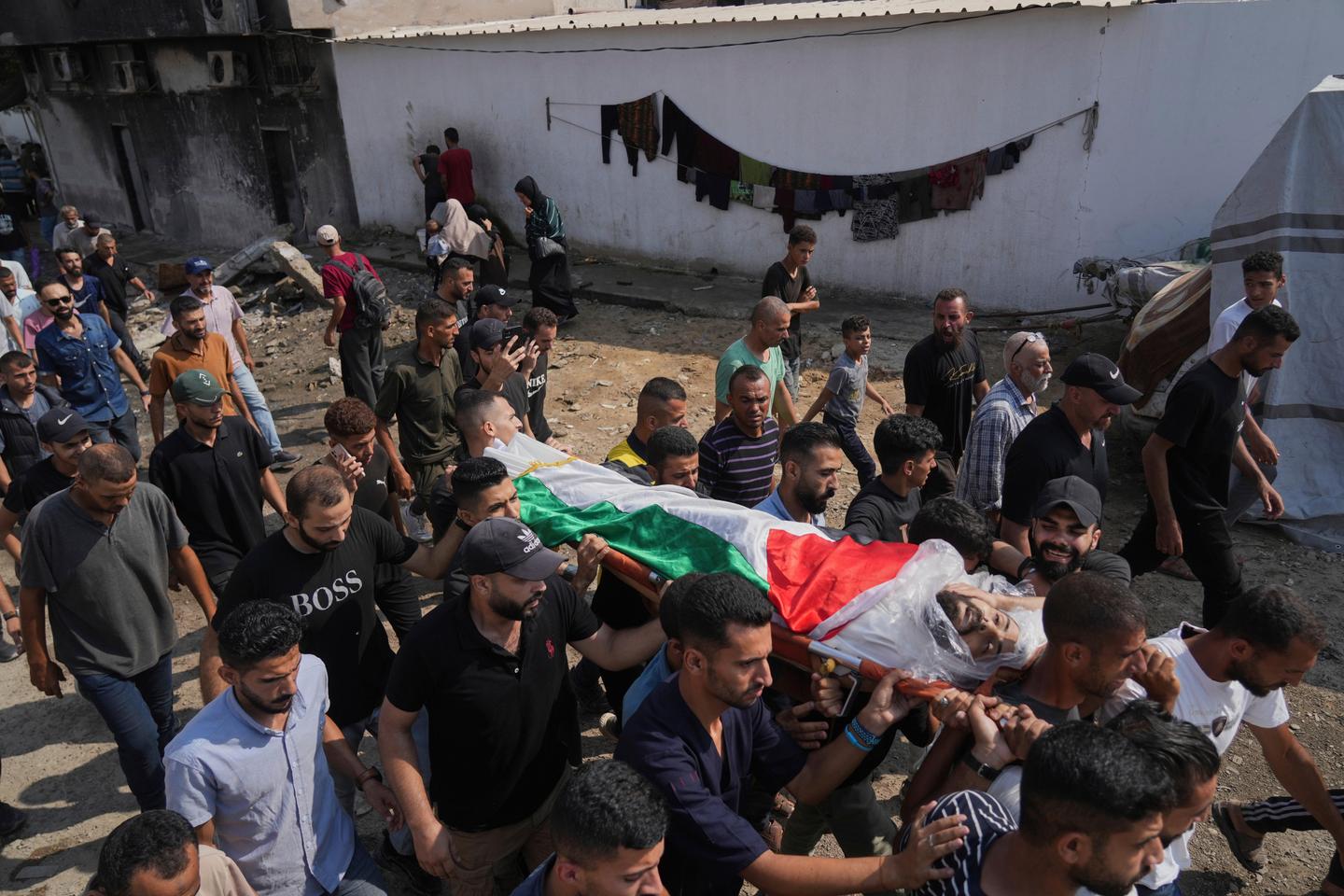
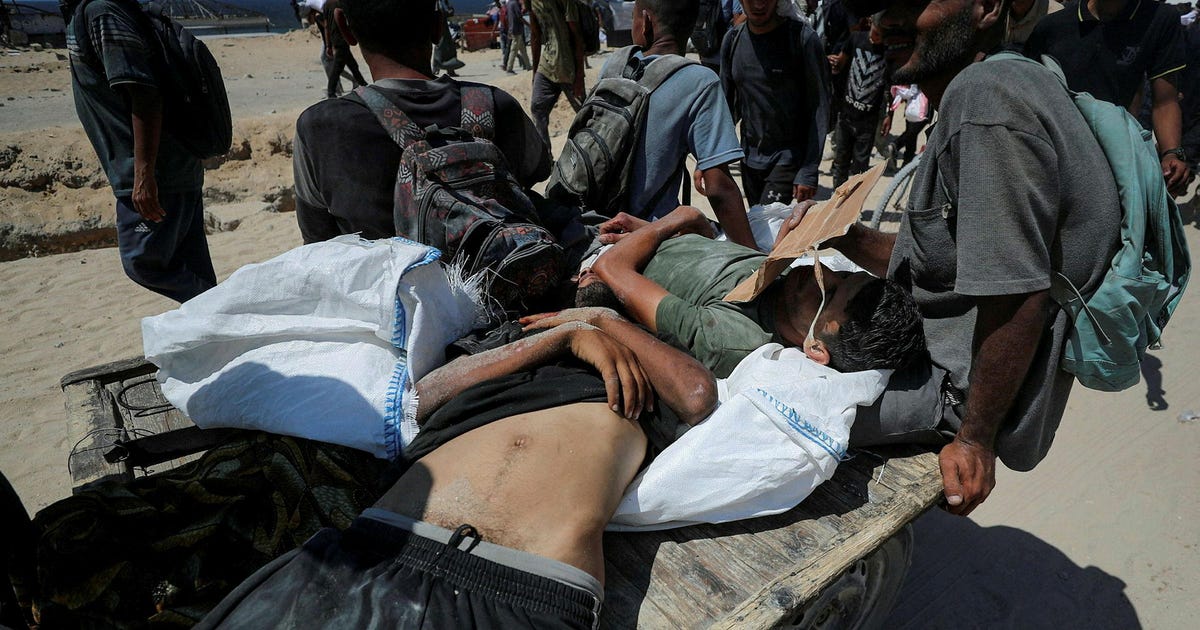
he fact that the Israeli-Palestinian conflict – so wrenching and seemingly endless – sparks passionate debate in France is nothing new. This is not only because France is home to the largest Jewish and Arab population in Europe, but also because the country's political leaders have always sought to exert influence in the Middle East, and many of its intellectuals are well-versed in the subject. Yet two years after the terrorist massacres of October 7, 2023, carried out by Hamas in Israel, and as more than 69,000 people have been killed in Israeli strikes on Gaza, the level of tension and misunderstanding has reached an alarming high. It is as if public debate has reached such an incendiary point that discussion has become impossible.
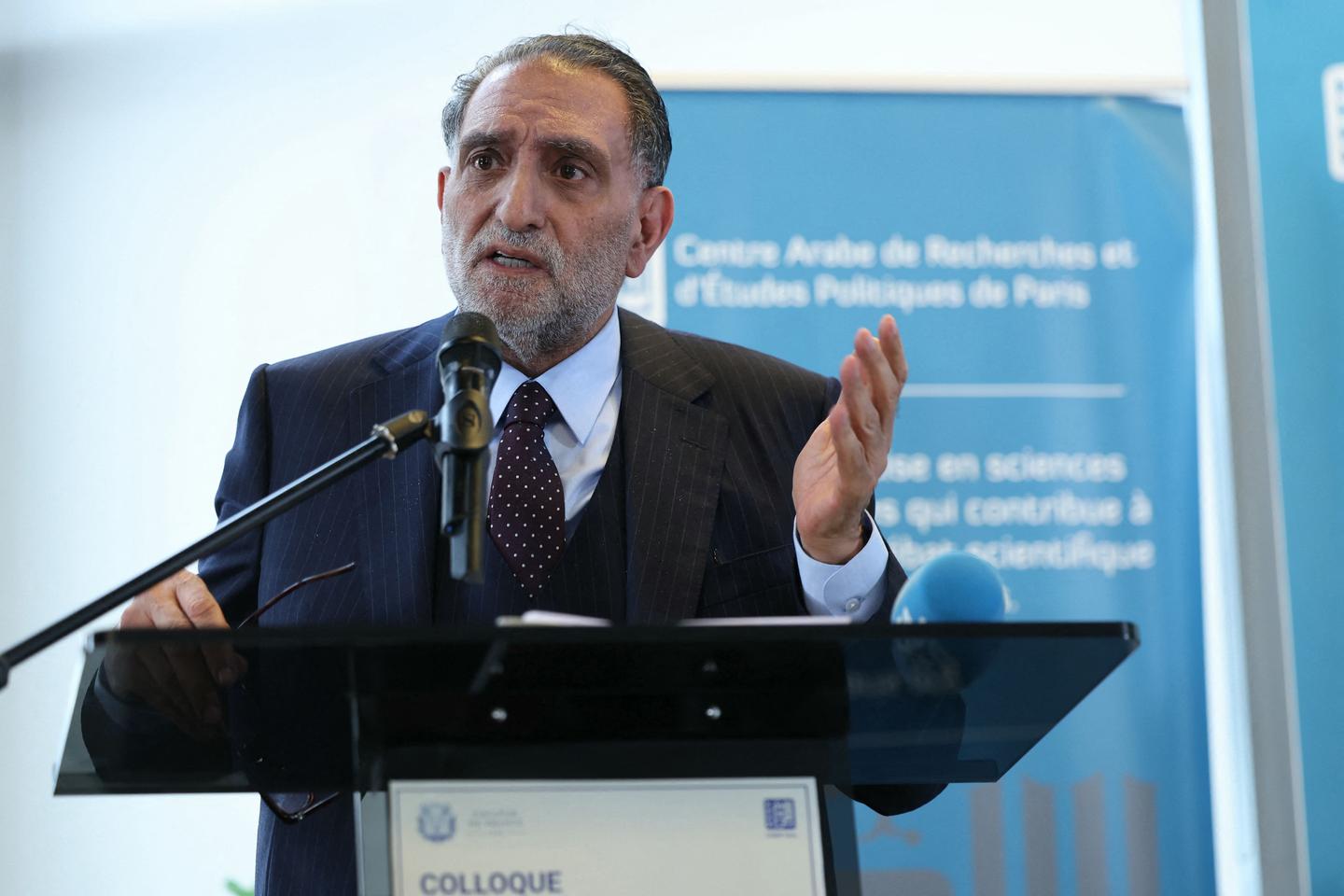
Two recent events, among others, have illustrated this situation. On November 9, after the intervention of the minister of higher education, two study days on "Palestine and Europe" scheduled for November 13 and 14 at the Collège de France were canceled and ultimately held in the much smaller premises of the Arab Center for Research and Political Studies in Paris, one of the event's organizers. The clashes that took place on November 6 during a concert by the Israel Philharmonic Orchestra at the Paris Philharmonic, after pro-Palestinian activists disrupted the performance and set off smoke flares, belong to an entirely different category. Yet they also illustrate troubling trends.