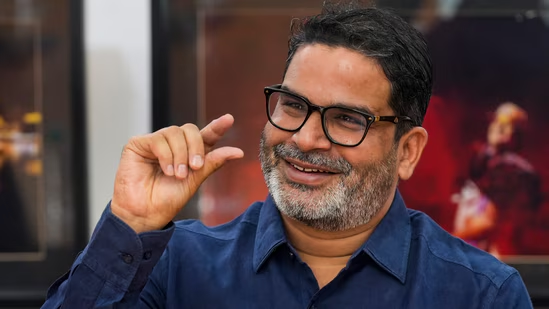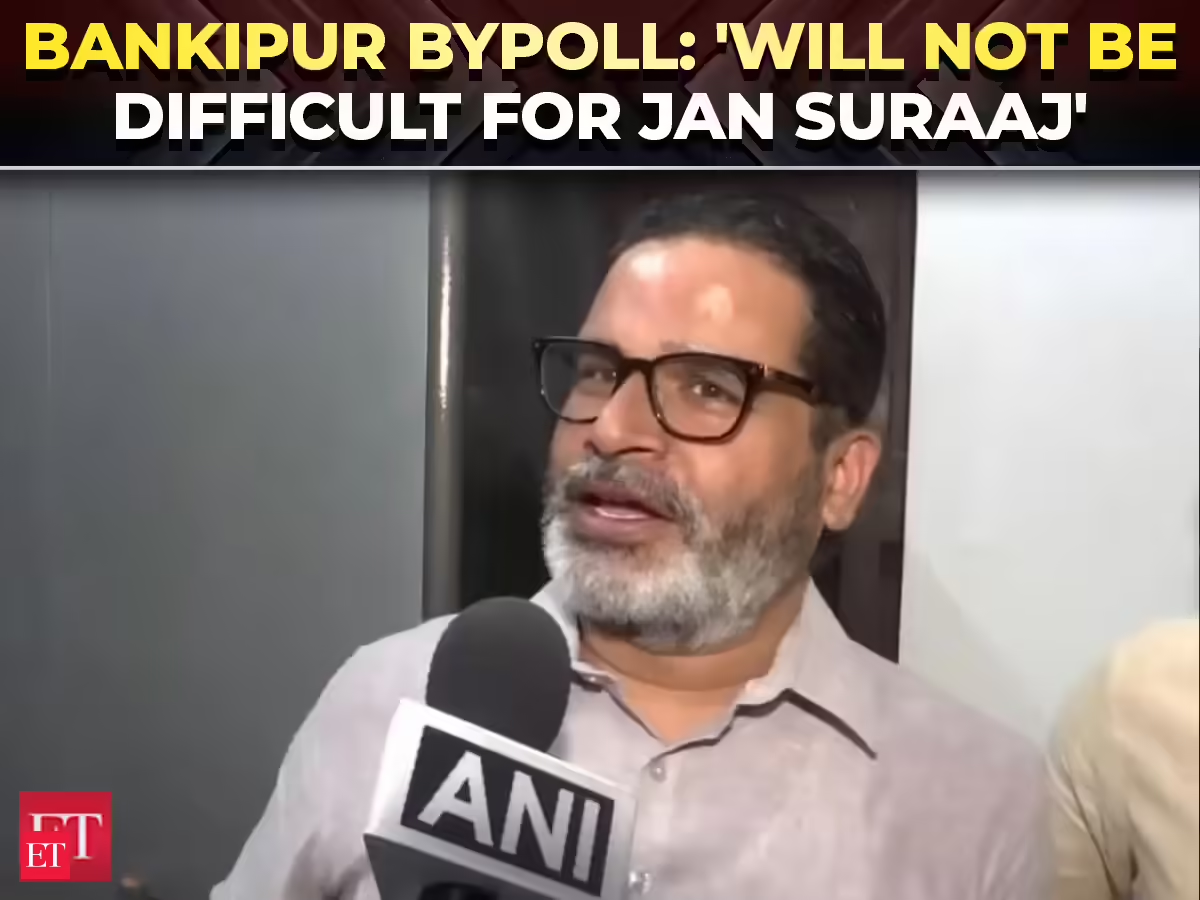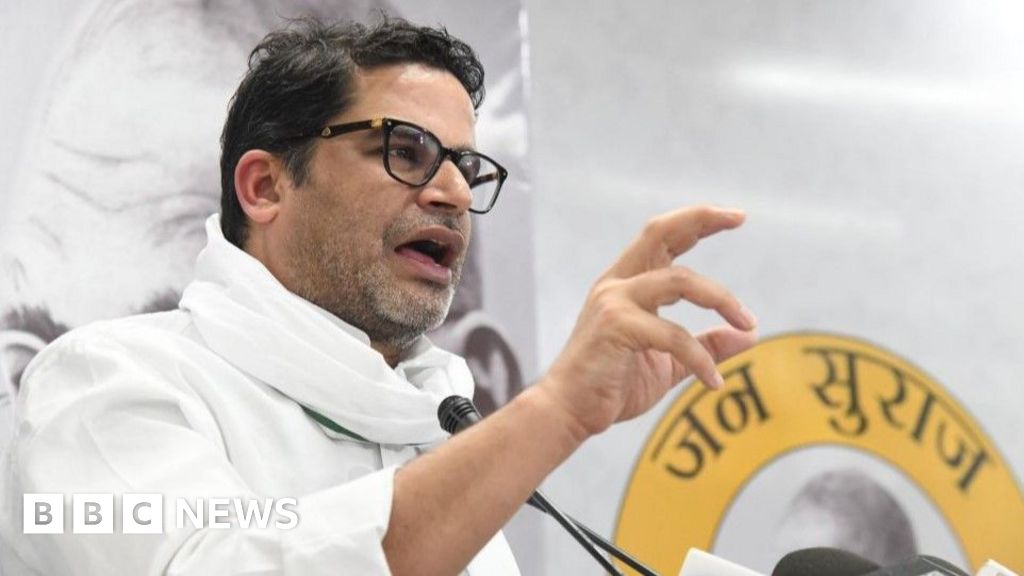
For over a decade, Prashant Kishor was India's backstage magician - the political strategist trusted by everyone from Prime Minister Narendra Modi to powerful regional leaders such as Nitish Kumar and Mamata Banerjee.
But when the 48-year-old finally stepped into the arena himself, the spell snapped.
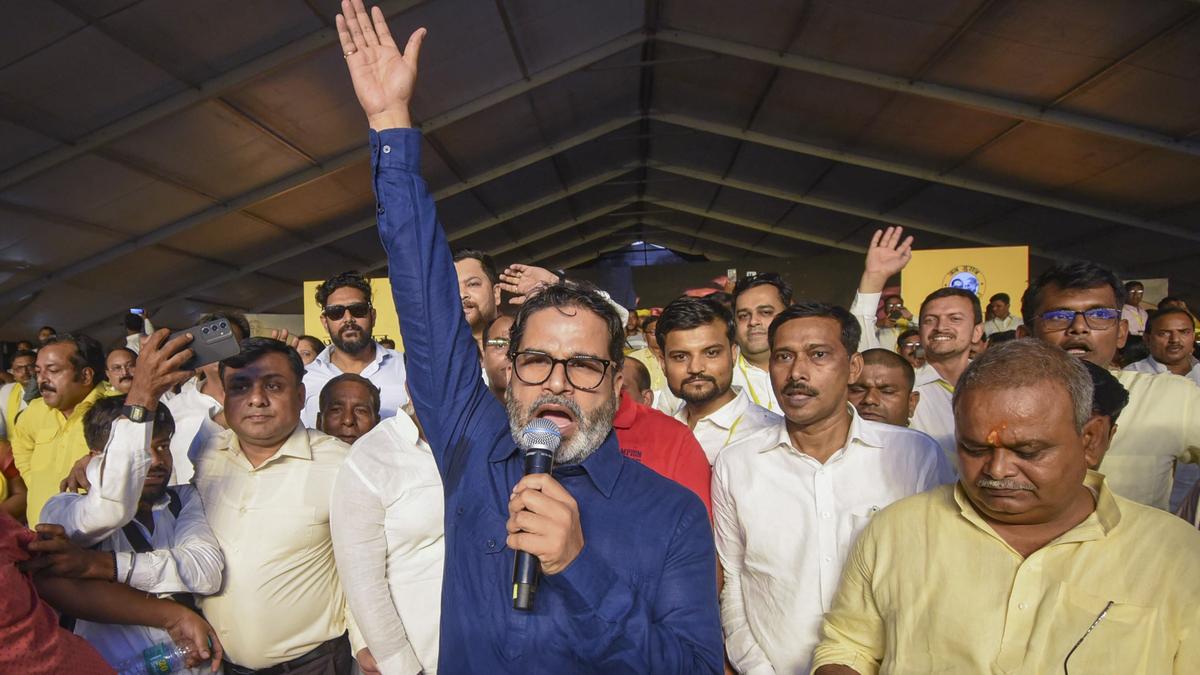
Kishor launched Jan Suraaj (People's Good Governance) with the swagger of a data-driven political start-up and the promise of breaking the cycle of stagnation in Bihar, India's poorest state.
He spent two years walking across the state, built a slick organisation and fielded candidates in almost all 243 seats. The media buzz was huge, but Jan Suraaj failed to win a single seat, scraping only a sliver of the vote, as Modi's BJP-led alliance swept to power.
For all the attention Kishor commanded - often more than established leaders - the party could not convert visibility into votes. In India's febrile and deeply divided political marketplace, his debut, many believe, stands as a cautionary tale: breaking into the system is far harder than diagnosing its flaws from the outside.