T
he Richter scale, which ranks earthquakes by magnitude, has long entered everyday language. Will a similar scale for cyberattacks – measuring their systemic impact on the global economy – one day feel just as familiar? Probably so.
In front of a Jaguar Land Rover dealership in Tonbridge, southeast of London, September 29, 2025. BEN STANSALL / AFP
Late this summer, the United Kingdom suffered a Category 3 cyberattack on the scale used by Britain's National Cyber Security Centre, which runs from 1, the most severe and a national emergency, to 6, a minor local incident. This mid-level attack, the largest the country had ever faced, was enough to knock the British economy off balance. According to preliminary data from the Office for National Statistics, growth reached 0.1% from July through September, half the 0.2% that had been expected.
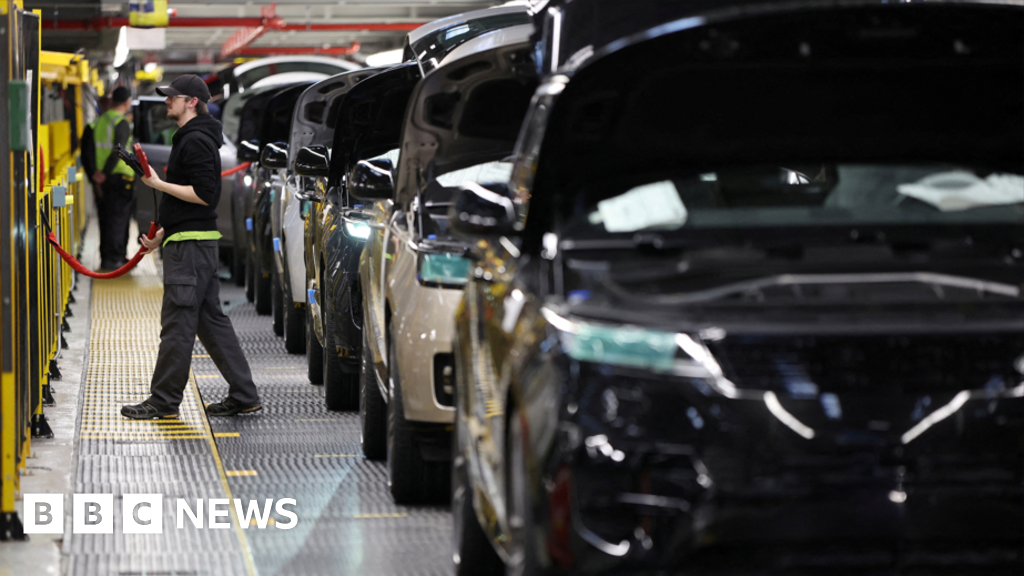
What happened? On August 31, the computer systems of Jaguar Land Rover, the country's biggest automaker, were hacked by a cybercrime group. The Tata Motors subsidiary was forced to halt production at its three UK factories for five weeks, leaving many of its 33,000 employees temporarily sidelined. Prime Minister Keir Starmer's government even had to extend a £1.5 billion financial guarantee to help stabilize the auto industry as the crisis rippled through the sector.